

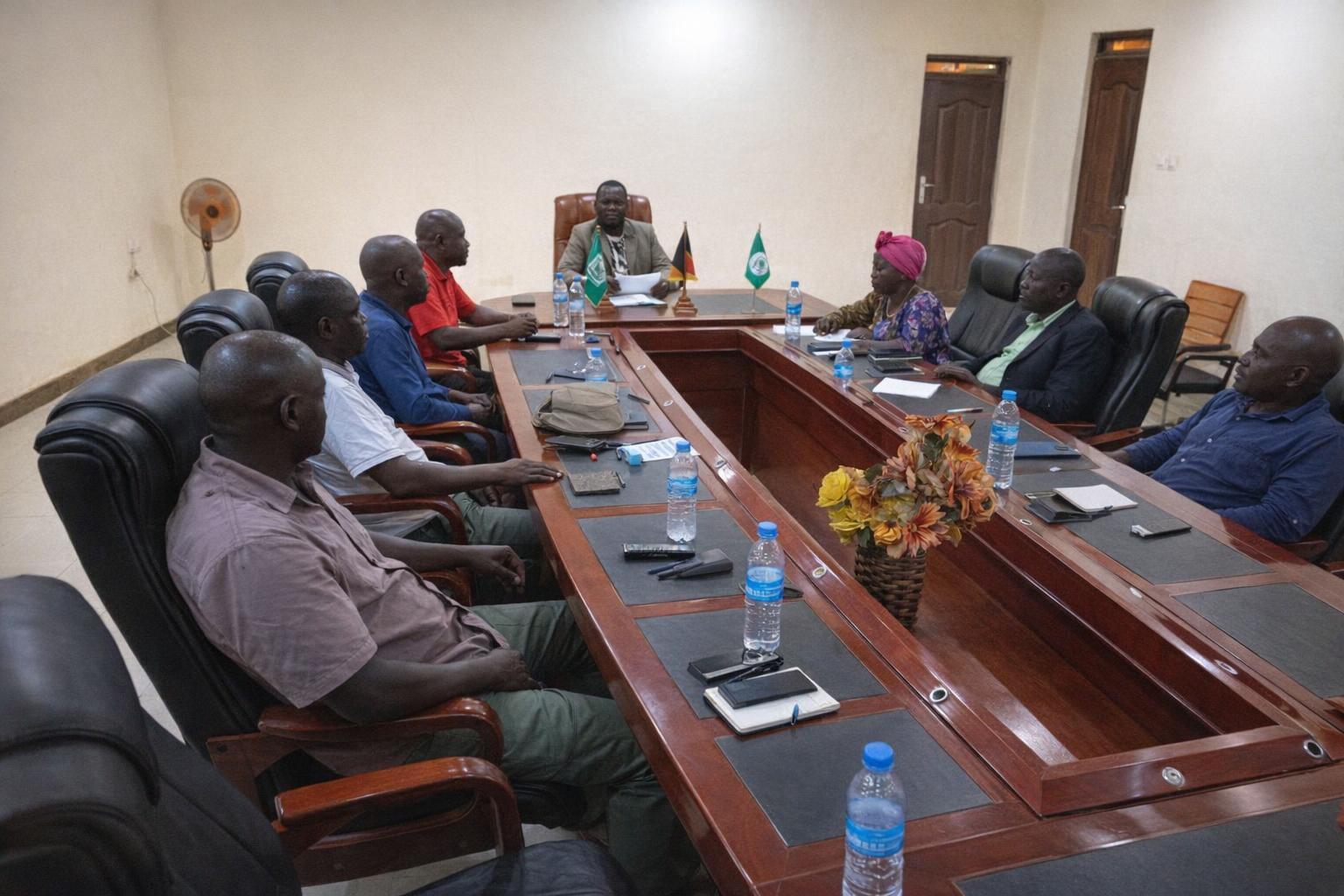
Land governance dialogue in Yei River County
Local authorities in Yei River County held a one-day dialogue on Monday with traditional leaders, elders, landowners and civil servants. The meeting focused on land ownership, distribution and urban planning, as the county seeks orderly growth and aims to lower the risk of land-related disputes.
Commissioner Emmanuel Taban Seme frames peace and development
Commissioner Emmanuel Taban Seme, who presided over the session, described the dialogue as a timely effort to advance peace, unity and sustainable development. He welcomed the participation of chiefs and community representatives, arguing that broad involvement is key to addressing long-standing land challenges.
Seme reiterated that 2026 has been declared the Year of Development for Yei River County. He said comprehensive social surveys should guide planning and investment decisions, helping the administration align land management with services, infrastructure and future growth.
Inclusive land rights as a conflict-prevention approach
Seme said residents who have lived in Yei for many years, regardless of ethnicity, should have the right to own land. He warned that exclusionary approaches can deepen tension and create instability in communities already facing competing claims.
“Inclusive land policies are not only a matter of justice but also a foundation for peace,” Seme said. He linked fair access to land with social cohesion, arguing it can also unlock wider development across the county.
Transparency and coordination in land allocation
To strengthen local governance, Seme directed Boma Land Committees and Payam administrations to work closely together. He called for transparent allocation processes, better coordination and clearer communication, presenting these steps as practical safeguards against misunderstanding and abuse.
Traditional authorities support demarcation and service delivery
Traditional leaders echoed the push for cooperation between communities and government institutions. The Paramount Chief commended landowners for supporting government-led demarcation efforts, saying clearer planning could improve service delivery, reduce disputes and create conditions more favorable to investment.
Zoning, community land rights and funding needs
Hillary Lugala Godo told participants that land remains a collective resource belonging to the people of Yei. He spoke about future zoning and urged stronger policy frameworks that protect community land rights while accommodating urban expansion.
Godo also called for increased financial support to housing and demarcation departments. He argued that additional resources would speed up mapping and planning work, which many participants viewed as central to reducing uncertainty on the ground.
Accountability, public spaces and integrity in transactions
Former Yei Town Payam Director Araba Na Fox described the dialogue as a platform for accountability. He highlighted the role of elders in curbing corruption and promoting fair, equitable access to land for residents.
Another participant, Able Sebit, urged county leaders to reserve plots for public and community needs, including schools, health facilities and recreational spaces. He presented this as part of long-term urban planning that can ease social pressure as the town grows.
Acting Land Chairperson Lowuya Morris warned landowners and administrators to uphold integrity in land transactions. He cautioned that irregular practices and favoritism can inflame tensions and weaken trust in local authorities.
Social surveys, investor confidence and next steps
Elder Charles Lugala said regular dialogue and updated social surveys are vital to preventing land-related conflict. He urged the county government to fast-track mapping and allocation across Yei River County to make land systems clearer and more predictable for residents.
Charles Lugala added that many potential investors are waiting for more reliable land processes before committing resources. Participants closed the meeting with broad agreement that collaboration, transparent planning and inclusive policies remain essential for peace and sustainable development.