

Church trust bridges political divides
In South Sudan, churches remain among the rare institutions seen as nonpartisan across government and opposition lines. Their perceived neutrality positions clergy as potential mediators able to sit with generals and displaced villagers alike without triggering accusations of siding with any faction.
Veteran peace worker Sister Mary Nyibol notes that congregations still gather even in contested zones, adding that “a prayer meeting can open dialogue where formal delegations fail” (Nyibol 2024). Such trust capital, observers argue, is indispensable while the 2018 peace accord struggles for full implementation.
Spiritual authority in a wounded nation
South Sudan’s population identifies overwhelmingly with Christianity, granting church statements unusual persuasive weight. When bishops preach forgiveness or denounce revenge attacks, their words echo on radio waves and in cattle camps, shaping social norms more effectively than many statutory edicts.
Father James Modi insists “the pulpit must complement parliament, not replace it” (Modi 2024). Analysts read this as a call for moral suasion to accompany legislative progress, avoiding the perception that clergy seek political office while still challenging leaders to honour their commitments.
From village chapels to national forums
The ecclesiastical network spans remote hamlets, urban cathedrals, youth choirs, and women’s fellowships. Information travels quickly through this lattice, enabling early warning of local tensions and rapid mobilisation for dialogue sessions or humanitarian relief.
Government disaster official Jacob Deng credits parish volunteers for alerting authorities to last year’s Upper Nile flash floods, saying their “timely reports saved countless lives” (Deng 2024). Such examples illustrate synergy between state structures and faith communities when communication channels remain open.
Accountability and justice in the gospel
Peace accords risk collapse if grievances stay unaddressed. Church leaders emphasise restorative justice, urging perpetrators to confess publicly and compensate victims, practices rooted in Sudanese customary law and New Testament teaching.
In Juba last month, the South Sudan Council of Churches organised an open-air liturgy where politicians knelt for intercessory prayer. Observers saw the gesture as symbolic accountability rather than political theatre, signalling willingness to submit authority to transcendent scrutiny.
Youth and women as reconciliation force
Nearly three quarters of South Sudanese are under thirty, and many have never known sustained peace. Church youth ministries teach conflict resolution through sports, drama, and scripture study, offering alternatives to militia recruitment.
Women’s fellowship networks meanwhile deliver trauma counselling and income-generating workshops that reinforce social cohesion. “When mothers trade across checkpoints, soldiers hesitate to shoot,” remarks economist Rose Aluel, highlighting the overlooked security dividend of female economic agency (Aluel 2024).
Voices urging louder advocacy
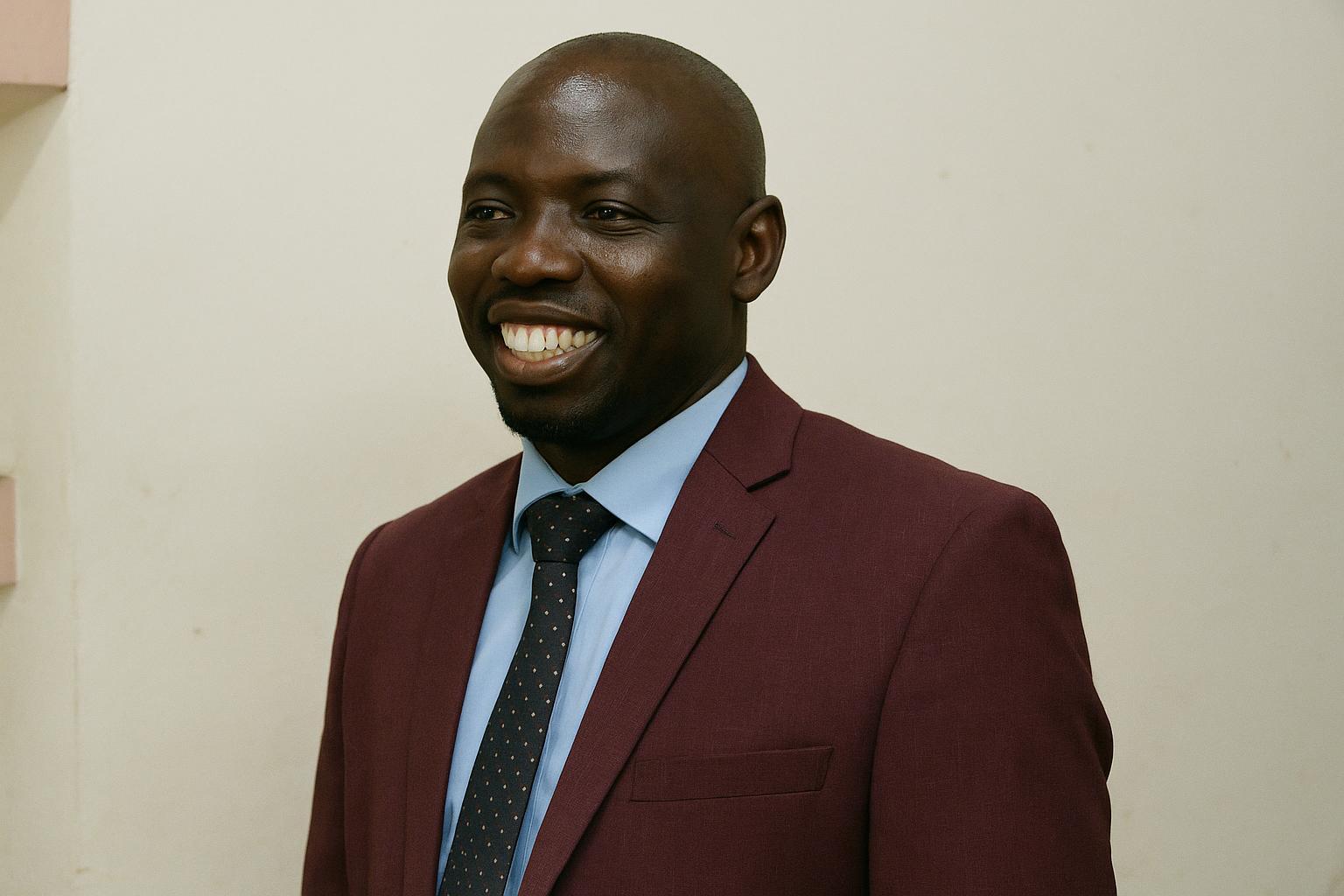
Hon. Mogga Charles Guya, secretary for foreign affairs of the South Sudan National Movement for Change, argues the clergy must “become louder and bolder for peace” to sustain the fragile transition (Guya 2025). Civil society groups echo the sentiment, warning against complacency.
As ultimatums in the revitalised agreement near, analysts propose that ecclesiastical mediation be institutionalised within official monitoring mechanisms. Whether such policy innovation occurs may determine if sermons translate into structural peace or remain poignant yet peripheral homilies.