

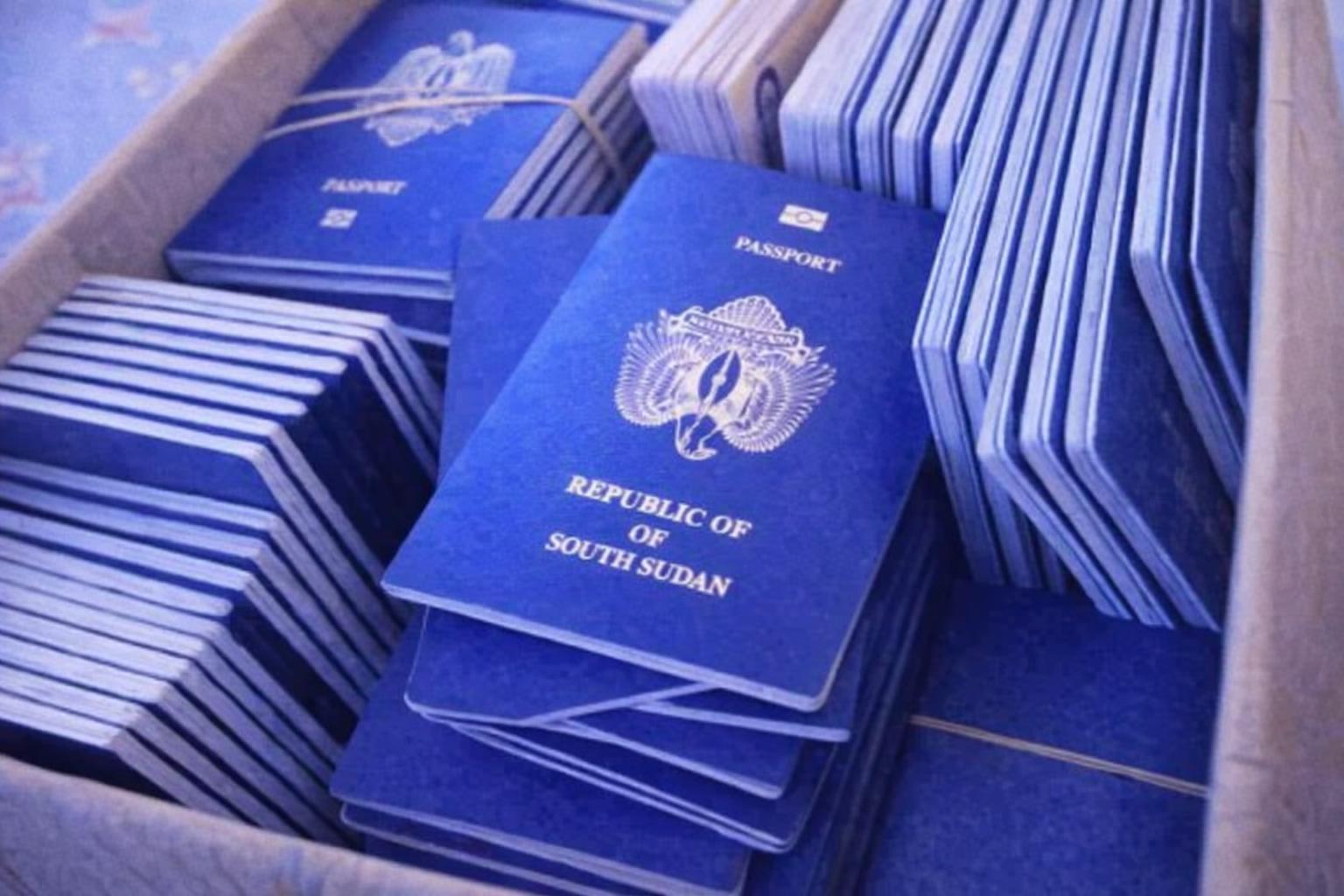
Western Equatoria nationality documents: a growing bottleneck
Civilians in Western Equatoria State say severe shortages of nationality cards and long delays in passport issuance are blocking everyday plans, from education to cross-border travel. Residents and local officials describe a system under pressure, with backlogs stretching over years, according to Radio Tamazuj.
Passports and nationality cards: impact on education and jobs
Across several counties, applicants say the delays affect students seeking scholarships and young adults pursuing work outside the country. Residents point to limited processing capacity at local offices, shortages of cards, and prolonged waiting periods with scarce feedback on application status.
Medical travel stalled by passport delays
Some residents link the documentation bottleneck to health risks, especially for patients advised to seek treatment abroad. Applicants describe urgent cases being slowed by administrative steps, including the need to forward files to the national capital, Juba, for completion.
Residents speak: Tambura, Yambio, Ezo and Maridi
Angelo Weenepaida from Tambura County said the lack of documents has frozen his next steps. “I completed school two years ago but cannot apply for scholarships without nationality and a passport,” he told Radio Tamazuj, adding that job opportunities are being missed.
In Yambio County, Victoria Daniel said she has waited for years and was told her documents were sent to Juba without further resolution. “Nationality is very important. Without it, you cannot be employed or move freely,” she said.
Kubako Solomon from Ezo County described the nationality card as essential proof of identity. “I am a South Sudanese, but without nationality, nobody can prove it. Crossing borders is difficult,” he said.
John Togo from Maridi County said he could not travel to Egypt for medical treatment last year because he lacked a passport. “I had to go to Juba and Kampala instead,” he said, calling for faster access in medical emergencies.
Officials respond: Juba production restart and 15–21 day target
Andrea Majok, Director of Nationality, Passport, and Immigration in Western Equatoria, acknowledged the disruption and attributed it mainly to a nationality card shortage persisting since 2025. He said Major General Elia Kosta, Director General of the Directorate of Civil Registry, Nationality, Passport, and Immigration, is coordinating the response.
“We will resume production at the main headquarters in Juba,” Majok said. “Within 15 to 21 days, all pending nationality and passport cards will be processed and issued.” He added that local offices batch 100 to 300 applications using a token system before forwarding them to Juba, especially for urgent cases.
Majok said priority will go to students and patients requiring medical travel once production resumes. He also noted that while fees may be quoted in U.S. dollars, applicants can pay the equivalent in South Sudanese pounds.
South Sudan biometric e-passport: capability meets constraints
The delays sit within broader procurement and distribution challenges that have affected passport production, including difficulties securing passport booklets. Reports have also pointed to arrears owed to Muhlbauer, the German firm associated with printing South Sudan’s biometric passports (Radio Tamazuj).
South Sudan introduced an internationally recognised, ICAO-compliant biometric e-passport in January 2012, with a five-year validity. However, residents and officials alike say consistent production and delivery have been constrained by financial and logistical pressures.