

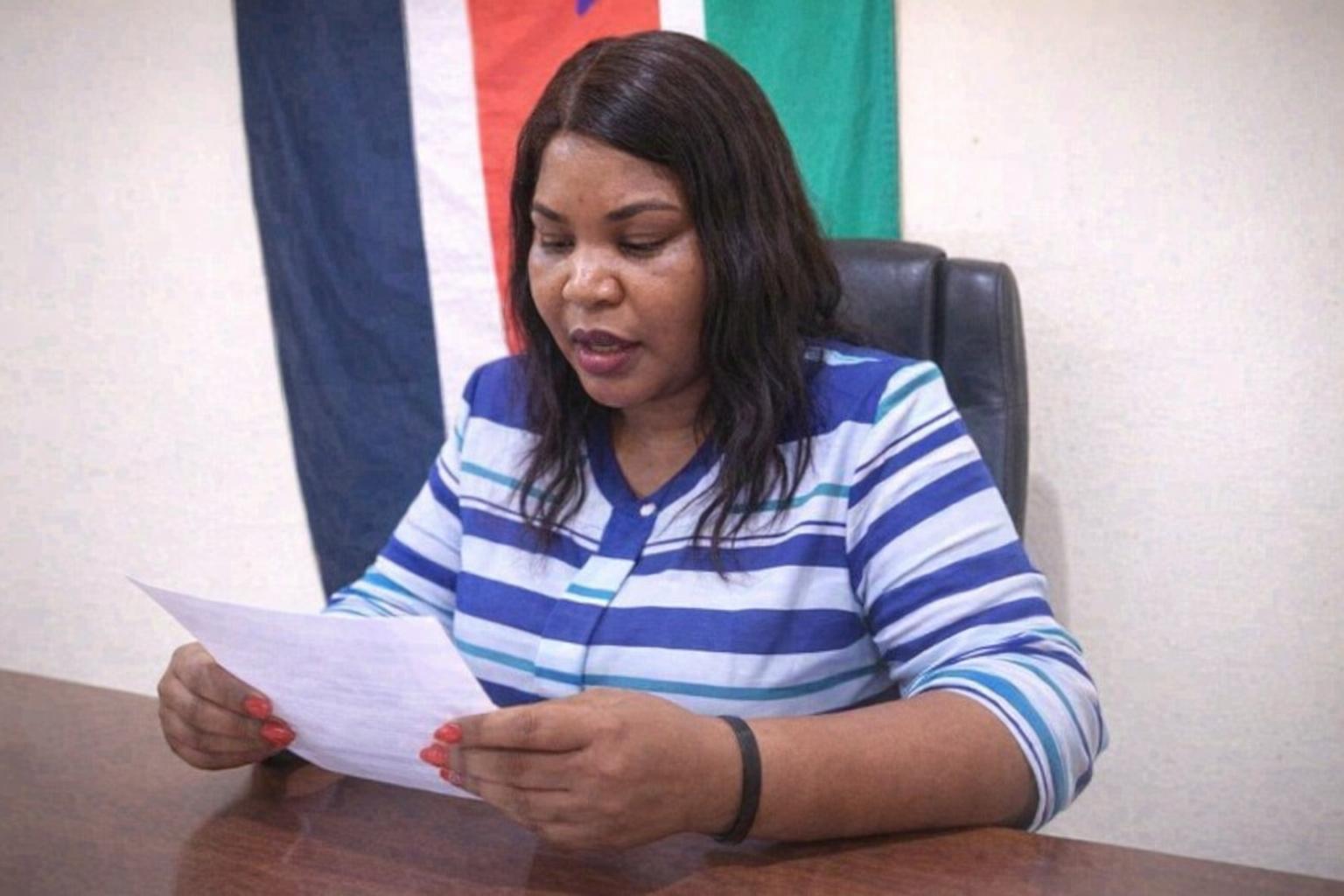
Western Equatoria Assembly recess set to April 28, 2026
The Western Equatoria State Legislative Assembly has started a three-month recess, pausing regular sittings until April 28, 2026, unless members are recalled for urgent government business, officials said.
The break comes after the formal closure of the Assembly’s First Session of 2025, which resumed on July 1 following a delay of more than a year linked to insecurity in the state.
Speaker Anna Tunna Richard outlines purpose of constituency outreach
Speaker Anna Tunna Richard announced the recess during the closing ceremony on Thursday, commending the state government for financial support and cooperation with the legislature.
Richard said the recess gives lawmakers time to return to constituencies, engage communities and document local challenges. The information, she added, will be compiled into reports aimed at guiding government policy and future legislation.
“This is the most appropriate way for honourable members to connect with their communities, listen to their concerns and ensure that legislation is responsive and inclusive,” Richard said.
Peace and security priorities: Tambura, Mundri East and Nagero
While pointing to relative calm in much of Western Equatoria, Richard said Tambura, Mundri East and Nagero counties still need targeted interventions to support lasting peace and security.
She urged the government to provide transport and logistical backing through Ivory Bank to help lawmakers travel, promote peace and unity, and respond to citizens’ concerns ahead of elections scheduled for December 2026.
Governance concerns: Ambororo issues and civil service arrears
Richard also called on authorities to address issues involving the Ambororo community, and to resolve salary arrears affecting civil servants who, she said, have gone unpaid for two years.
She further urged faster integration of civil servants from the former states of Tambura, Maridi and Amadi, as provided for in the 2025/2026 budget.
Session record: budget, Emolument Bill and committee work
During the First Session, the Assembly passed the 2025/2026 budget, approved the Emolument Bill, held 40 sittings and several committee meetings, and expanded cooperation between the legislature and the executive, Richard said.
Minister of Parliamentary and Legal Affairs John Obete supported the speaker’s assessment, citing the Assembly’s official opening and the presentation of the governance speech and policy statement.
Legal agenda and institutional continuity after Daniel Wauru
Obete also highlighted the appointment of a new clerk following the death of Daniel Wauru, and the tabling of legislation including the Constitutional and Force Holders (Amendment) Act 2025.
He described adoption of the 2025/2026 fiscal budget as a key step to strengthen financial and legal frameworks, and to support implementation of parliamentary resolutions.
Assembly infrastructure and mobility constraints
Obete noted progress in renovating the Assembly hall, a project launched under the previous administration. He also raised concerns about limited mobility and logistical support, which he said continues to restrict effective parliamentary work.
Officials framed the recess as a practical window to consolidate legislative gains, deepen constituency links and prepare for the next sitting period if the Assembly is not recalled earlier.
Timeline: from February 2024 adjournment to July 2025 resumption
The Assembly adjourned in February 2024 for a planned three-month break but did not reconvene as scheduled, due to insecurity. The resumption in July 2025 was presented as a renewed push to restore legislative functions in the state.
The current recess, set to run until late April 2026, will test how effectively constituency consultations translate into actionable reports and policy follow-up in the next phase of legislative work.