

Journalist Safety Takes Centre Stage in Aweil
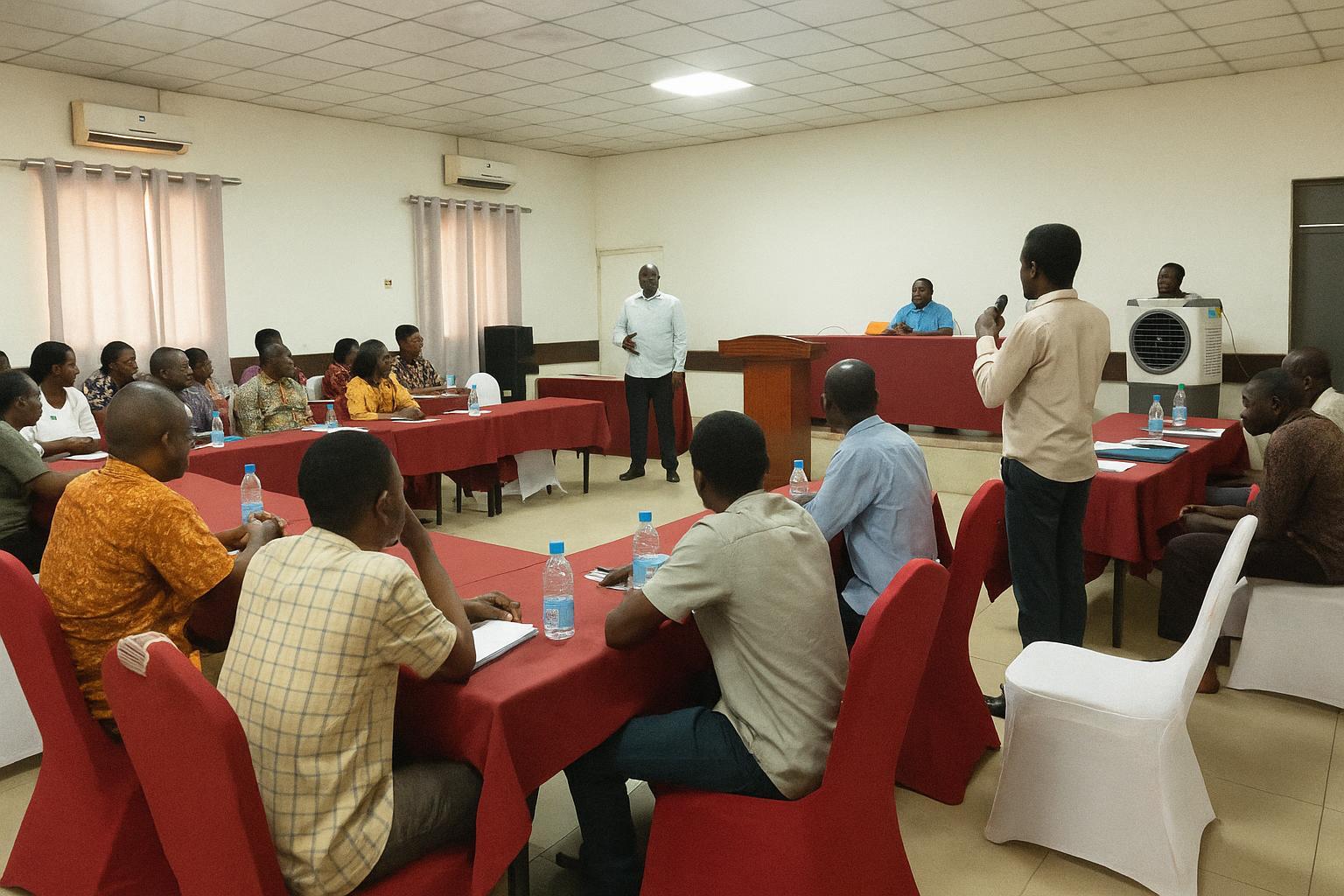
Thirty reporters from Northern Bahr el Ghazal gathered at Aweil Grand Hotel for a three-day UNESCO and UJOSS workshop on safety during crises and elections. Trainers reviewed risk mapping, digital security and first-aid basics, anchoring the curriculum on UNESCO’s flagship journalists’ protection modules.
Participants cited past threats in border areas as proof that rigorous preparation saves lives and stories. “We cannot inform citizens if we are silenced by fear,” said radio reporter Grace Atem, echoing a sentiment shared across the room.
Push for Broader Pre-Election Training
Broadcast journalist Sidonia Daniel Dumo urged partners to widen training before the December 2026 polls, noting many colleagues remained untrained. He added that refresher courses on legal frameworks and hostile-environment reporting would help ensure inclusive, accurate coverage of South Sudan’s first national vote since independence.
Officials Encourage Balanced Reporting
State acting information minister Bol Akuar Gamar advised reporters to critique officials without personal attacks. “Highlight performance, not private lives,” he said, stressing that responsible journalism reinforces public trust while reducing confrontation in a young democracy navigating recovery from conflict.
Stronger Media-Government Dialogue Emerges
County information director Chol Duang Dhel praised the workshop for clarifying roles. He said improved dialogue between newsrooms and local authorities can speed up data access and curb speculation, ultimately giving citizens clearer insight into policies and services.
National Drive Toward Secure 2026 Coverage
Aweil’s session forms part of a national UNESCO drive funded by Sweden to standardise journalist safety across South Sudan. Organisers hinted at upcoming modules on election reporting ethics, reflecting growing momentum to protect press freedom while fostering stability during the landmark 2026 contest.