

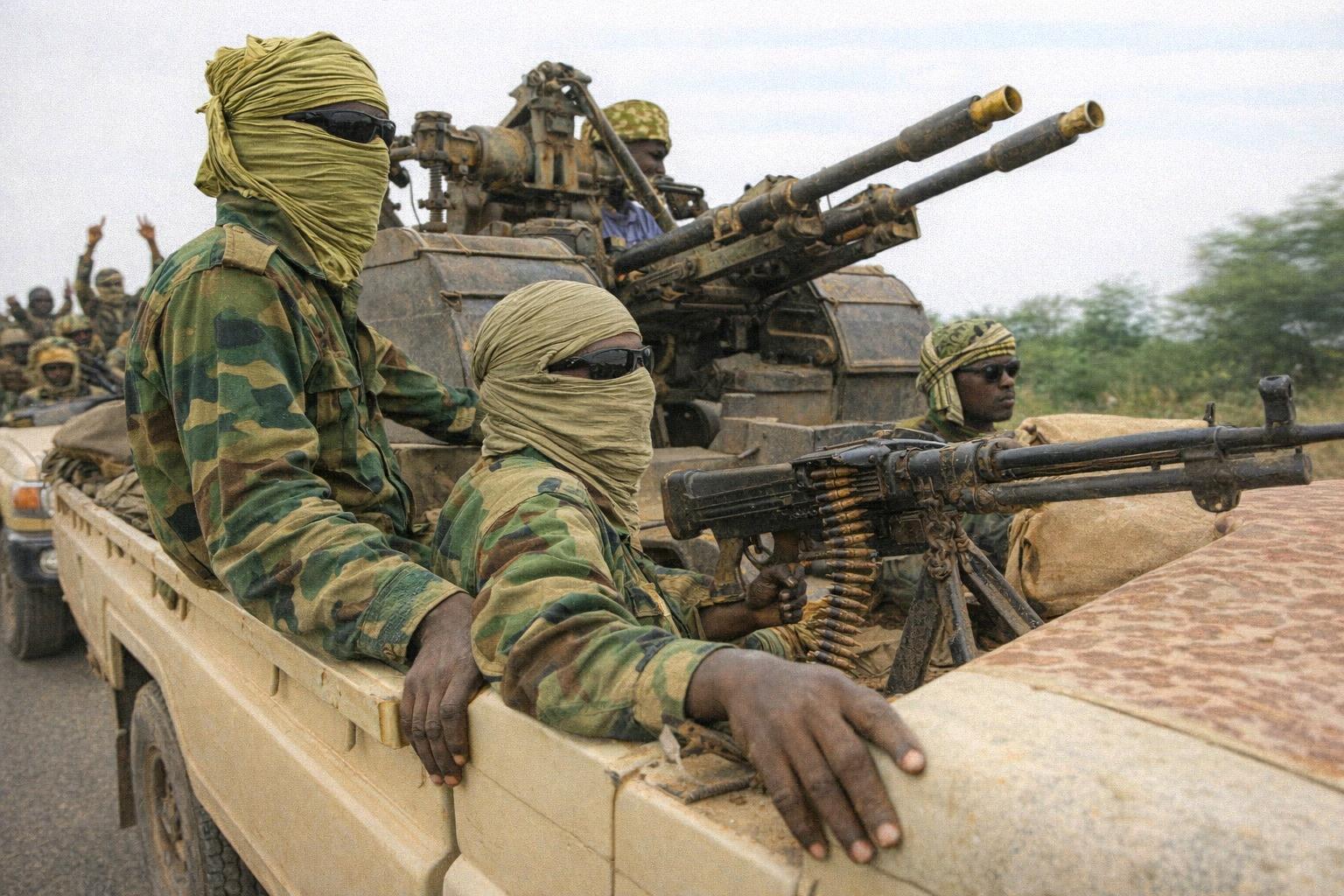
Escalating Kordofan fighting, UN says, drives displacement
The UN says intensifying fighting in Sudan’s Kordofan region is continuing to push civilians from their homes and placing people at serious risk. The message was delivered on Monday by the spokesperson for UN Secretary-General António Guterres during a press update in New York.
IOM figures highlight new movements from South Kordofan cities
UN spokesperson Stéphane Dujarric said the International Organization for Migration (IOM) estimates that more than 1,000 people were displaced by clashes between 20 and 24 January. The movements were reported from the besieged cities of Kadugli and Dilling, both in South Kordofan.
UNHCR notes cross-border arrivals into South Sudan
Dujarric added that, since October, more than 65,000 people have been uprooted across the wider Kordofan region. He also said the UN Refugee Agency observed that 6,500 people have crossed into South Sudan since early December, underscoring the regional spillover of the crisis.
Darfur response scaled up amid conflict conditions
Beyond Kordofan, Dujarric said UN teams and humanitarian partners expanded assistance in Darfur, including North Darfur, over the past two weeks. In Tawila and areas around the state capital, El Fasher, partners vaccinated more than 140,000 children against measles and rubella.
“All of that being done in a conflict situation,” Dujarric said, framing the delivery of basic services as an operational challenge shaped by insecurity and access constraints.
Health, water and community kitchens expand life-saving support
According to Dujarric, partners also provided more than 9,000 health consultations. He said 65,000 people were reached with safe water and sanitation services, while community kitchens supported by the UN delivered daily meals to 13,000 people.
Food, shelter, WASH and education needs remain unmet
Despite the scale-up, Dujarric said needs remain unmet for many people. He singled out gaps in food assistance, shelter, water, sanitation and hygiene services, and education, reflecting a crisis where emergency relief is expanding but still falling short of demand in several locations.
Returns to Khartoum and Al Jazirah rise, risks persist
Dujarric said IOM reports a 10 percent increase in people returning to their areas of origin over the past month, mostly in Khartoum and Al Jazirah. More than 3.3 million people have been recorded as having returned to their homes.
He cautioned that many are returning to places with damaged infrastructure and limited services, and where fighting continues. “Children continue to bear the brunt of this crisis,” Dujarric said.
UN urges protection of civilians and humanitarian access
Dujarric said the UN is again urging all parties to protect civilians and civilian infrastructure. He also called for conditions that allow “rapid, safe, unhindered, and sustained humanitarian assistance,” presenting these steps as essential to reduce risks and respond effectively to displacement and urgent needs.