

Nairobi Handover Signals Momentum for Dialogue
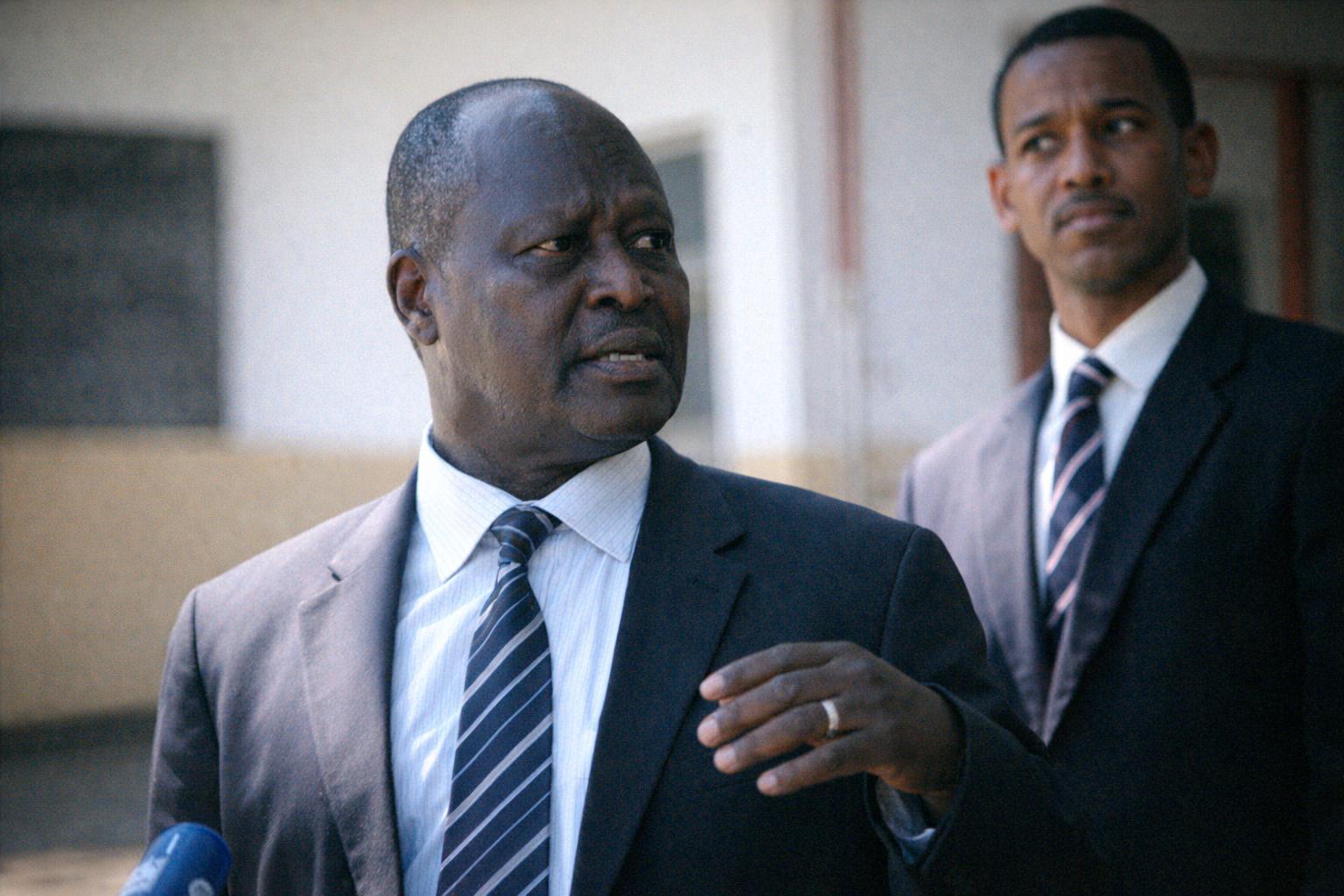
Retired Kenyan General Lazaro Sumbeiywo, Chief Facilitator of the Tumaini Initiative, has handed over a Framework for Dialogue to the Special Envoy of President Salva Kiir Mayardit in Nairobi, according to a press statement from the Initiative.
The Initiative said the framework was presented on January 29 and is designed to steer deliberations on a draft South Sudan National Consensus Charter for Peace and Democracy, positioning the document as a practical tool to navigate a long-running political deadlock.
Briefings Extend to Opposition and Civil Society
The press statement said the same framework was shared with leaders of SPLM-IO in Nairobi, opposition figures grouped under the United Peoples’ Alliance, civil society leaders, and groups within the South Sudan Opposition Movements Alliance, including the National Salvation Front.
The South Sudan Council of Churches was also briefed, a detail that, in the Initiative’s framing, reflects an effort to widen participation beyond party structures and bring diverse constituencies into a single, nationally owned conversation.
Aiming for Inclusive, Accountable National Consensus
Calling the handover a milestone, the Initiative said the move marks a “critical step” toward a transparent and accountable South Sudanese-led and South Sudanese-owned inclusive national consensus, with a clear pathway to concluding the transition through credible elections.
The statement describes the forthcoming dialogue as a significant shift in method. It says the process is “inclusive and non-hierarchical,” with participants expected to engage as equal stakeholders and to bring “dynamism, pragmatism, patriotism and goodwill.”
From Zero-Sum Bargaining to People-Centred Talks
The Tumaini Initiative argues the approach will differ from earlier negotiations by moving away from adversarial bargaining. In its words, the process rejects “zero-sum negotiations” and instead promotes a people-centred model focused on collective problem-solving and national ownership.
Participants are urged, the statement adds, to avoid narrow political, sectarian, or ethnic agendas and to prioritise what it calls the “supreme interests” of South Sudanese citizens, including peace, dignity, security, accountable governance, and democratic choice.
Security, Civilian Protection and Humanitarian Priorities
On substance, the Initiative says the dialogue will centre on ending violence and improving civilian safety. It highlights cessation of hostilities, stabilization, civilian protection, and humanitarian assistance as core agenda items for the national consensus process.
The statement says the goal is to rebuild trust among stakeholders and break what it describes as a prolonged cycle of political stalemate, repeated transitions, and recurring conflict, linking security outcomes to political confidence and institutional stability.
Long-Term Governance Agenda for Future Elected Leaders
Beyond immediate stabilization, the framework lists issues expected to be taken up by a future elected government. These include permanent constitution-making, transitional justice, durable solutions for displaced persons and refugees, and security sector transformation.
It also references unification of forces and disarmament, demobilization, and reintegration. In the Initiative’s view, reaching shared commitments on these topics would anchor the transition in clear, longer-term state-building priorities.
Building on R-ARCSS With Regional Backing
The Tumaini Initiative acknowledges the 2018 Revitalized Agreement on the Resolution of the Conflict in South Sudan, while stating that its framework seeks to build on that foundation rather than replace it, emphasising continuity in the country’s peace architecture.
It adds that the process will be convened within a regional framework, working with IGAD as steward of the peace process and with support from international partners, underscoring the role of regional legitimacy alongside national ownership.
Timeline: Four Weeks to Draft the Charter
According to the statement, deliberations on the draft National Consensus Charter are expected to be concluded within four weeks, setting a compressed timetable that could test the ability of stakeholders to sustain engagement and compromise.
Lt. Gen. Lazaro K. Sumbeiywo (Rtd) signed the press statement as Chief Facilitator of the Tumaini Initiative, formalising the handover as the process moves from framework-setting toward structured talks (Eye Radio; Tumaini Initiative statement).