

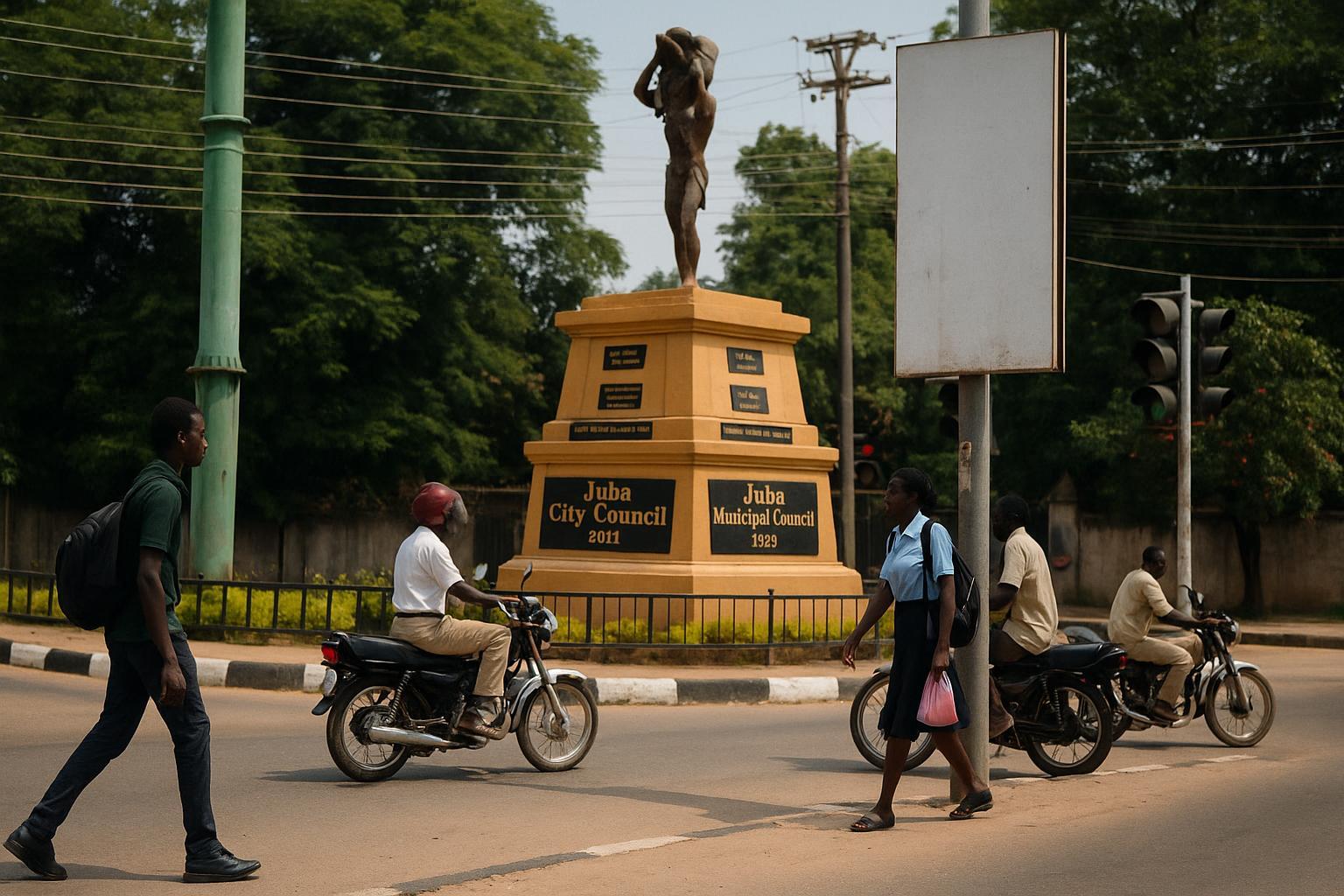
Juba Cracks Down on Waste
Overflowing bins and makeshift dumps have long scarred Juba’s streets. This week, the City Legislative Council adopted a Waste Management Bylaw it says will pivot the capital toward systematic collection, monitored disposal and meaningful penalties for offenders.
Chairperson Dina Keji John hailed the vote as “a significant step toward a cleaner and healthier city,” stressing that the ordinance clarifies duties for residents, traders and institutions while empowering the mayor’s office to act decisively against illegal dumping.
Fines and Enforcement Measures
Under the new framework, fines accompany every infraction, though exact rates will be detailed in forthcoming directives. Deputy Mayor Stephen Lomude said the law “regulates, defines and protects” responsibilities, giving enforcers clear legal backing to close unlicensed sites and prosecute repeat violators.
Public Health and Environmental Stakes
Poor waste collection has previously fueled cholera outbreaks and blocked drainage during seasonal rains, researchers at the University of Juba warn. Environmental groups argue that stronger oversight can curb water-borne disease and reduce plastic burning, a major source of urban smog.
Stakeholder Engagement Backbone
The bylaw was debated for more than a year, with civil society and market associations submitting comments during open hearings. “It has gone through serious levels of engagement,” Lomude noted, adding that broad consultation should ease enforcement and encourage community ownership.
Roadmap to Implementation
City engineers are now mapping priority zones for new transfer stations and recycling pilots, working with private haulers on cost-sharing models. Success, officials admit, will depend on sustained public awareness campaigns and the timely release of operational funds from state coffers.