

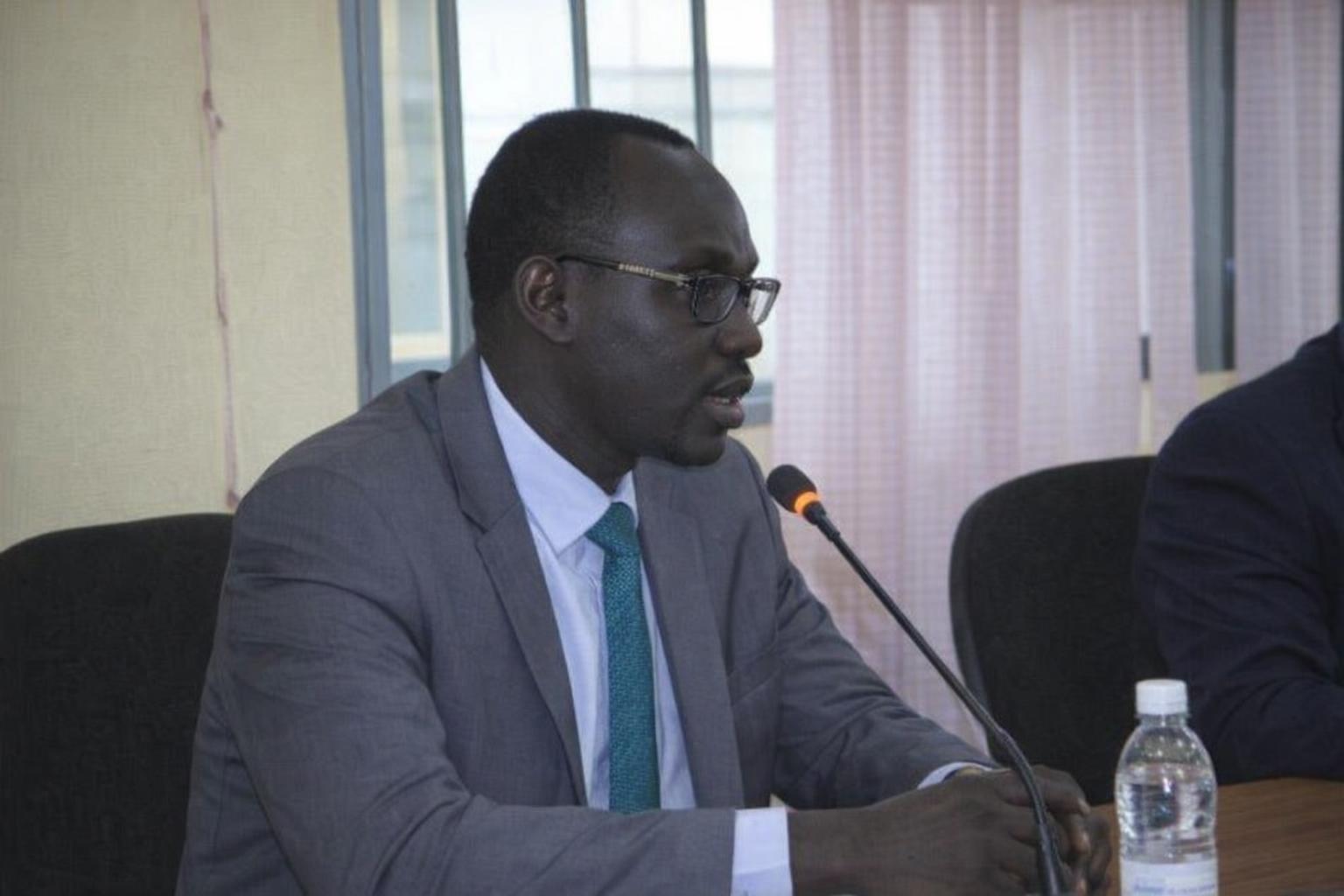
Twic East politics: a confidence rift goes public
On October 11, 2025, the Twic East Community Association (TECA) issued a formal “Withdrawal of Confidence” against MP Deng Dau Deng Malek, alleging weak performance and limited representation of community interests. Rumours also linked the dispute to his continued association with the disowned Greater Bor Community (GBC).
RRC decision on TECA registration: what was cited
Speculation in Juba suggested TECA-linked figures raised about US$500,000 to lobby the SPLM for Dau’s removal from the National Assembly. On January 7, 2026, the Relief and Rehabilitation Commission (RRC) revoked TECA’s registration, citing violations of the NGOs Act, 2016.
RRC argued that TECA, registered as a humanitarian non-profit, crossed into prohibited political activity by mobilising against an elected official. The move intensified political friction in Jonglei State, and reopened questions about the boundary between civic advocacy and partisan mobilisation.
Community leadership legitimacy: contested endorsements
The writer narrows the criticism to Gen Biar Mading Biar, rather than TECA broadly, arguing the correspondence lacked wide leadership endorsement. He notes the absence of signatures from the Paramount Chief, youth and women representatives, and other political or religious figures in Twic East.
He presents Gen Biar’s actions as personal misjudgment rather than communal consensus. That framing underlines a wider challenge in South Sudanese community associations: establishing clear internal mandates and speaking authority, especially when disputes touch national representation.
Gen Biar Mading Biar: temperament and political judgment
The writer recounts an earlier encounter with Gen Biar during his time as Jonglei State Minister of Public Service and HRD under Governor Denay Jock Chagor. At a Park Palace Hotel workshop, Gen Biar reportedly said “educated people, especially those with PhDs,” were destroying the country.
In the account, the remark shaped the author’s view that Gen Biar could be prone to offensive outbursts and impulsive judgment. While anecdotal, the episode is used to contextualise today’s sharper rhetoric in Twic East’s political disagreements.
National Assembly procedure: who the letter addressed
A key procedural critique targets the communiqué itself. The writer says the “withdrawal of confidence” letter was not properly addressed to the Speaker of the National Assembly, Jemma Nunu Kumba, and that copying the Speaker is not equivalent to submitting a formal request for action.
He adds that Paramount Chief Manyok Ajak Majok and other traditional leaders publicly disowned the letter in a video circulating online. In this telling, the document’s contested legitimacy became as central as its accusations.
NGO neutrality vs politics: TECA’s stated humanitarian mandate
The article contrasts TECA’s non-partisan humanitarian purpose with Dau’s legislative mandate as an MP for Twic East. It argues that when a community welfare organisation directly campaigns against an elected official, it risks undermining the principles of neutrality and independence expected of non-profits.
The RRC deregistration is presented as a cautionary precedent for other community associations, including the Bor Community Association (BCA). The author claims Dau has grounds to sue for defamation, but says he has refrained, citing forgiveness.
Greater Bor Community debate: identity, unity, and scrutiny
The writer describes GBC as a legacy of the former Bor District, comparable to other regional blocs, and says its influence and legal standing remain heavily debated in Twic East and Duk counties. In this framing, Dau’s association with GBC is interpreted by supporters as a unity project.
He links this argument to Pan-Africanism and Ubuntu, presenting interdependence among Bor, Duk, and Twic communities as a foundation for shared prosperity. Critics, however, are portrayed as treating the association as a political vulnerability rather than a platform.
Elections 2026: timing, displacement, and local priorities
The author argues the push to unseat Dau is ill-timed as South Sudan approaches the December 2026 elections. He says community energies should prioritise the safe return of displaced people from IDP and refugee camps, and the recovery of livestock moved to Equatoria and Lakes State.
He invokes “Neighborhood Effect” or “Spillover Effect” theory to justify speaking as a neighbour. He also references Jenna Donohue, identified as a professor at the University of Arkansas, arguing that silence in the face of mistreatment amounts to complicity.
Deng Dau Deng Malek record: flood response and displacement support
To counter claims of poor performance, the author lists achievements associated with Dau. One is mobilisation around the Mabior Gol mega-dyke in Jalle Payam, Bor County, to mitigate severe seasonal flooding that worsened between 2020 and 2024 across Athooc, Twic East, and Duk.
He writes that Dau worked with MPs Dengtiel Ayuen Kur and Philip Thon Leek, alongside Governor Dr Riek Gai Kok, while local youth groups used sandbags and humanitarian partners such as WFP and IOM complemented the effort. He says completion in late 2025 improved safety and water management.
Another highlighted episode is the June 2020 settlement camp in Mongalla for Twic East IDPs. The author says Dau mediated with Bari leaders and authorities, mobilising agencies within two weeks to provide food, medicine, and shelter, and later visiting IDPs in Guolyar and Panyagoor.
Kakuma legacy and diplomacy: claims of national stature
The writer credits Dau with helping pioneer “Lost Boys” resettlement from Kakuma, saying more than 2,000 resettled in the United States in 2000 and 2001 through the US Refugee Admissions Program. He also describes weekly strategy sessions with elders, teachers, and church leaders.
He further claims Dau’s relationship with Kenyan authorities improved protection for camp residents, and that no refugee was sent to Lodwar maximum-security prison during his leadership. Later roles cited include establishing the Southern Sudan War Disabled Organization and leading a disability commission in 2005.
The piece says Dau served as Deputy Minister of Foreign Affairs in 2018 and later as Deputy and Acting Minister, where he “recalibrated” international standing. It cites a 2022 remark attributing to the US Ambassador in Juba that Dau was the country’s “most sophisticated diplomat.”
The debate at home: loyalty, development, and proof standards
The writer argues critics should wait for the 2026 elections if dissatisfied, rather than pursue removal. He frames the campaign as driven by rivalry and envy, while acknowledging complaints about local development. Supporters, he says, view Dau as a veteran leader loyal to President Salva Kiir and the SPLM.
A central demand is evidentiary: TECA’s leadership, he argues, should demonstrate how Dau’s performance compares unfavourably with MPs from South Sudan’s other 78 counties. Without such benchmarks, the author portrays the dispute as heavy on rhetoric and light on measurable criteria.
Jonglei community cohesion: elders, institutions, and next steps
The writer says Twic East remains shaped by traditional authority, where elders carry influence and commissioners often serve long tenures, signalling cohesion. He warns that campaigns against a respected MP risk eroding local norms, and urges TECA to prioritise welfare and separate community interests from political agendas.
He calls on Gen Biar and TECA to cease attacks and treat Dau’s experience and networks as assets for Twic East, GBC, Jonglei, and South Sudan. The original piece ends with a faith-based blessing for 2026 and notes it reflects the author’s views (Radio Tamazuj).