

South Sudan Cabinet tightens non‑oil revenue policy
South Sudan’s National Cabinet has resolved to end all non‑statutory tax exemptions, presenting the move as part of a broader effort to strengthen the collection of non‑oil revenue.
The decision followed a memorandum presented by the Minister of Finance and Planning, Dr. Bak Barnaba Chol, during a Council of Ministers meeting held on Friday, according to officials speaking on state media.
Government links exemptions to revenue leakages
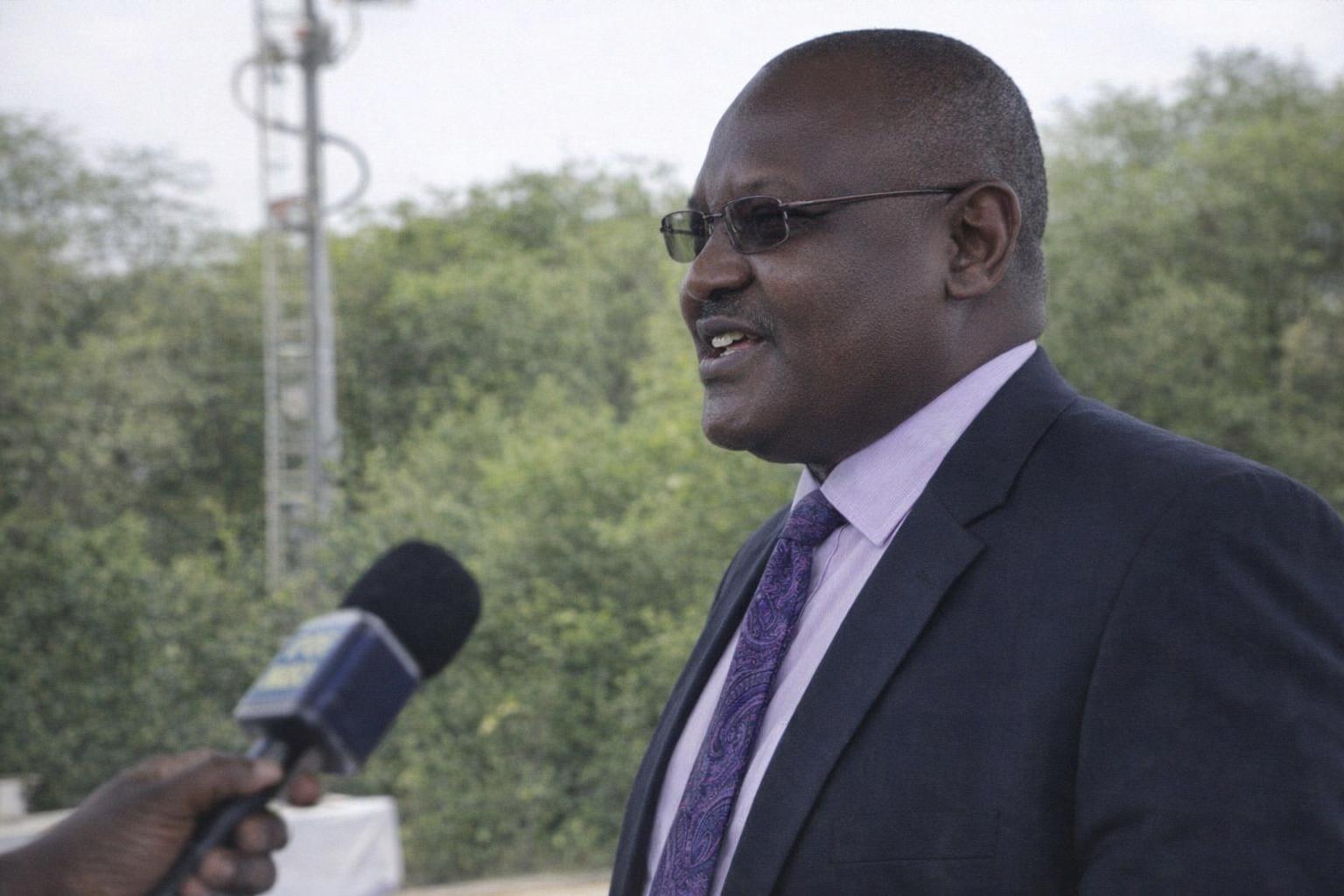
Speaking to the state-owned South Sudan Broadcasting Corporation (SSBC) on Friday, the Minister of Information, Communication Technology and Postal Services, Ateny Wek Ateny, framed the change as a response to revenue leakages affecting government operations.
“The government has resolved to end non-statutory tax exemptions in order to strengthen non-oil revenue collection,” Ateny said, describing the directive as an immediate corrective measure.
Alcohol tax exemptions revoked after reported losses
Ateny said exemptions on alcoholic beverages have been specifically revoked, arguing they contributed to significant revenue losses over the past year.
“For almost a year, nearly 50 percent of the potential revenue was lost to exemptions, meaning the government was only collecting half of what it should have received,” Ateny told SSBC.
Public services, salaries prioritised in finance directive
According to Ateny, reduced collections limited the government’s ability to mobilise resources for essential public services and broader economic strengthening.
“The Ministry of Finance, in its urgency to collect non-oil revenue, will not allow alcohol to be exempted from taxes,” Ateny said. He added the exemptions had undermined revenue needed to support the economy.
He said the directive is intended to help the government meet key obligations, particularly salaries for civil servants and organised forces.
“The decision taken by the Council of Ministers is that the Ministry of Finance should prioritize the payment of salaries and government operations,” Ateny said, outlining a hierarchy for spending during constrained periods.
Revenue Authority reforms ordered as exemptions end immediately
Ateny said the Ministry of Finance has been instructed to suspend claims not directly related to salaries during salary payment periods, aiming to concentrate limited resources on public sector welfare and state stability.
He further stated that the Ministry of Finance has been directed to implement reforms within the South Sudan Revenue Authority and to stop and revoke all non‑statutory tax exemptions with immediate effect.
“The Ministry of Finance is to make reforms in the South Sudan Revenue Authority and therefore stop and revoke all non-statutory exemptions with immediate effect,” he said (SSBC; Eye Radio).