

Passport Shortage Sparks Debate
A sudden shortage of passport booklets has forced South Sudan’s Civil Registry to issue business passports and emergency travel documents to patients needing urgent treatment abroad, Eye Radio reported on Wednesday.
Akec Advocates Business Discipline
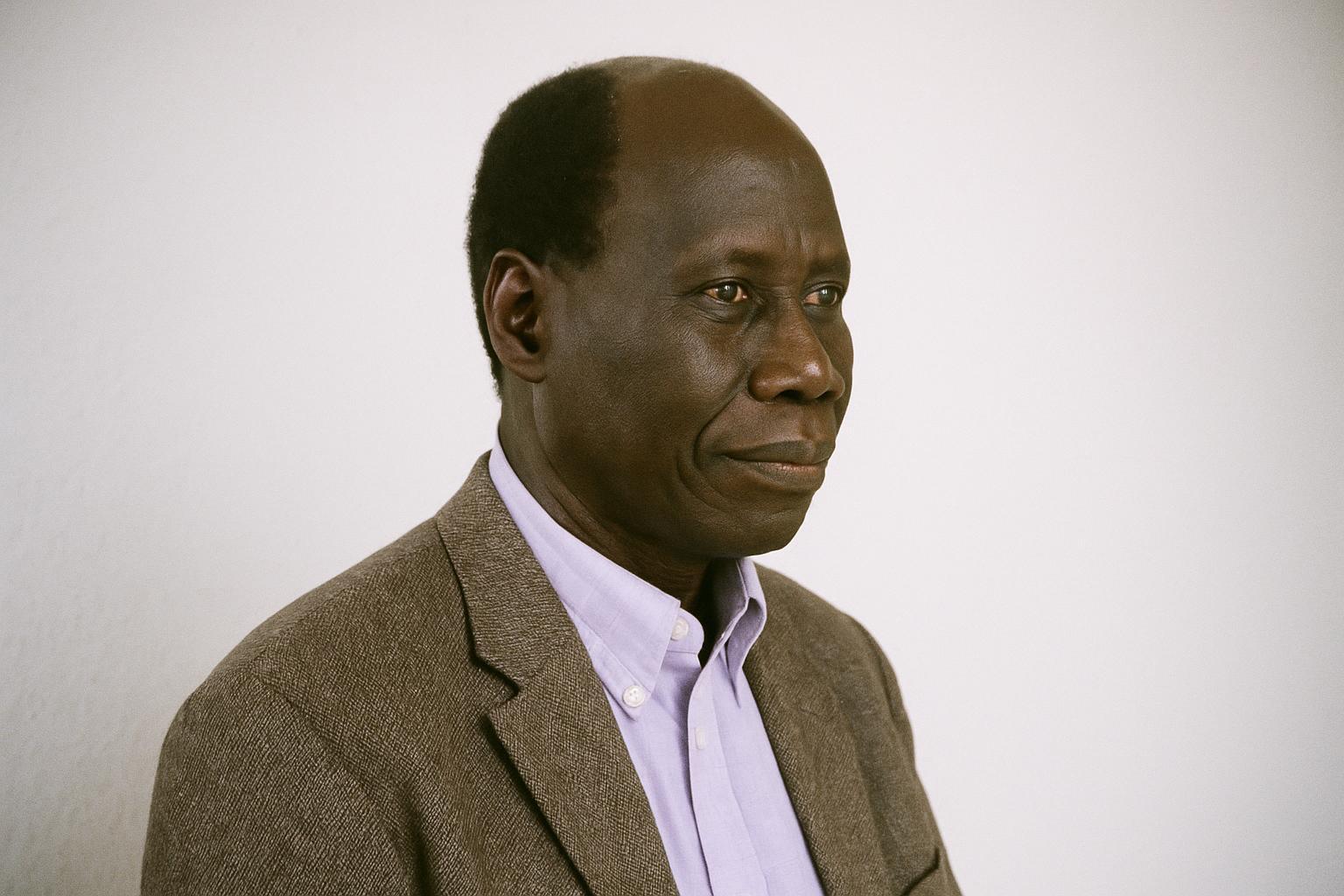
Former University of Juba Vice-Chancellor Prof John Akec told Eye Radio that the recurring shortage illustrates deeper flaws in public-sector management.
He argued that a passport fee should cover production, salaries, software and maintenance, ensuring a self-financing service able to meet demand year-round.
Political Interference Under Scrutiny
Akec cited overstaffing, weak leadership and factional pressures as factors blunting efficiency in NilePet, the South Sudan Broadcasting Corporation, Urban Water Corporation and the National Electricity Corporation.
According to him, managers require protection from short-term political agendas so they can apply objective performance metrics.
Pathways to Sustainable Service
While rejecting wholesale privatisation, the professor urged parastatals to adopt private-sector discipline—clear revenue targets, transparent procurement and merit-based hiring—to create jobs and stabilize essential utilities.
He insisted that profitability and public accountability can coexist if agencies operate with predictable budgets and auditable books.
Citizens Voice Expectations
For many young South Sudanese, reliable passports symbolize mobility, jobs and higher education abroad; repeated shortages erode confidence in state capacity.
Civil society groups welcomed Akec’s call, saying professionalised services would help rebuild trust between government departments and the public.