

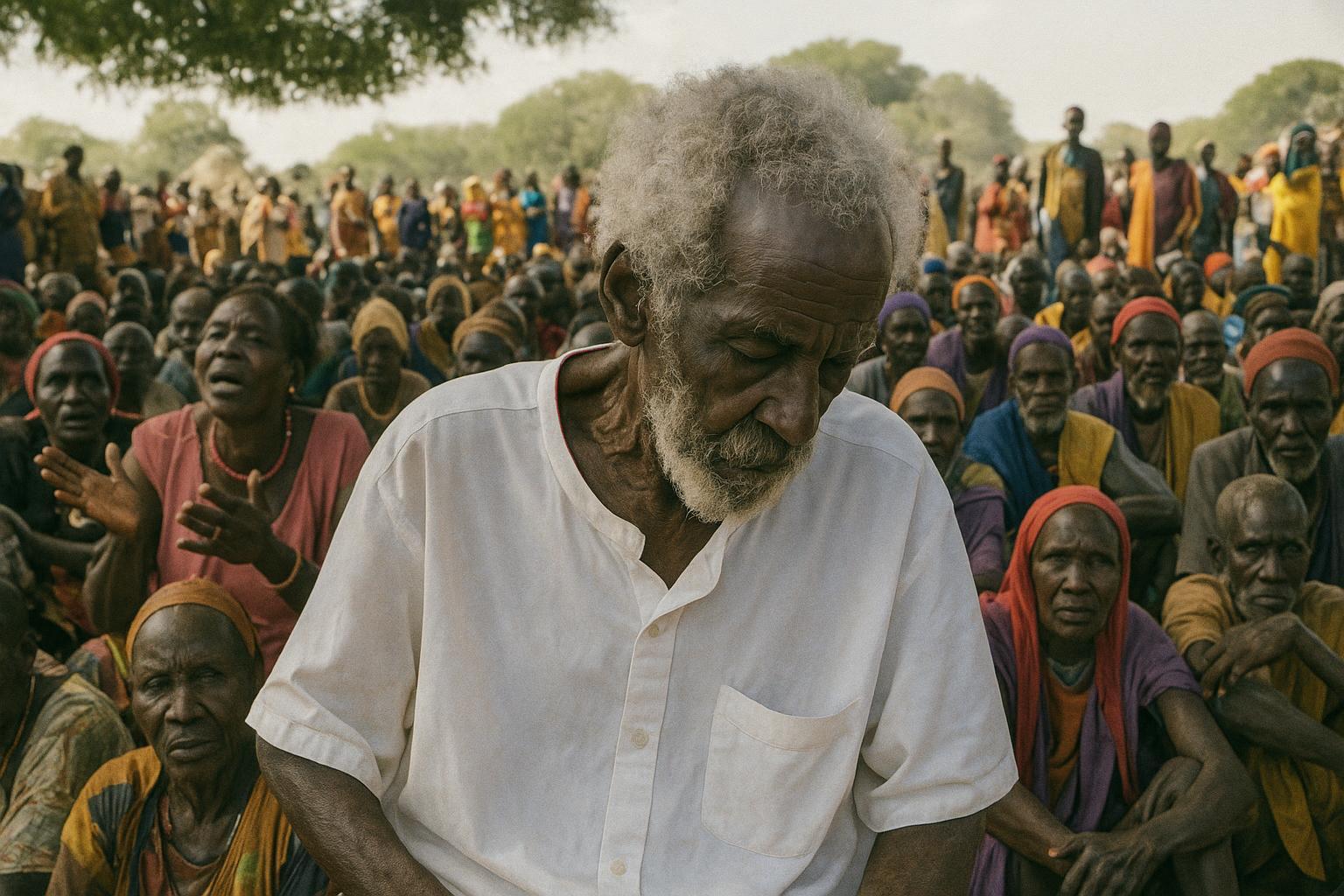
Flight from West Kordofan
The advance of Sudan’s Rapid Support Forces across West Kordofan this month has set off another wave of displacement across the border into South Sudan.
Local officials in Aweil East County confirm 2,745 nationals from 841 households have already crossed after the capture of Babanusa, Muglad and the strategic Heglig oilfield.
Numbers and Registration in Aweil East
Relief and Rehabilitation Commission director Akot Mawec reports 1,844 people registered in Warawar and 901 in Gok Deng, highlighting a rapidly evolving headcount (Radio Tamazuj).
He warns that many families are still unrecorded, arriving by foot or motorbike along informal tracks that snake through the flood-soaked savannah.
Voices from the Returnees
David, a former oilfield worker, recalls being evacuated from Heglig on 4 December, days before the Sudanese army’s Ninety-First Brigade withdrew. “Cold nights bite harder than gunfire,” he says, pointing to children huddled under plastic sheets.
He pleads for blankets, clean water and sorghum as scattered groups camp on school grounds or under tamarind trees.
Aid Response and Gaps
County information chief Paul Kuch acknowledges limited deliveries of tarpaulins and medical kits from the International Committee of the Red Cross.
“The support is welcome yet far from sufficient; we still rely on national authorities and partners for food and long-term shelter,” he notes, stressing the looming risk of waterborne disease.
Regional Security Ripple Effects
Sudan’s Armed Forces units retreated toward the border and reportedly laid down arms inside South Sudanese territory, adding a security layer to the humanitarian test.
Analysts in Juba caution that shifting front lines in Kordofan could redirect more civilians southward, underscoring the need for sustained vigilance and coordinated relief.