

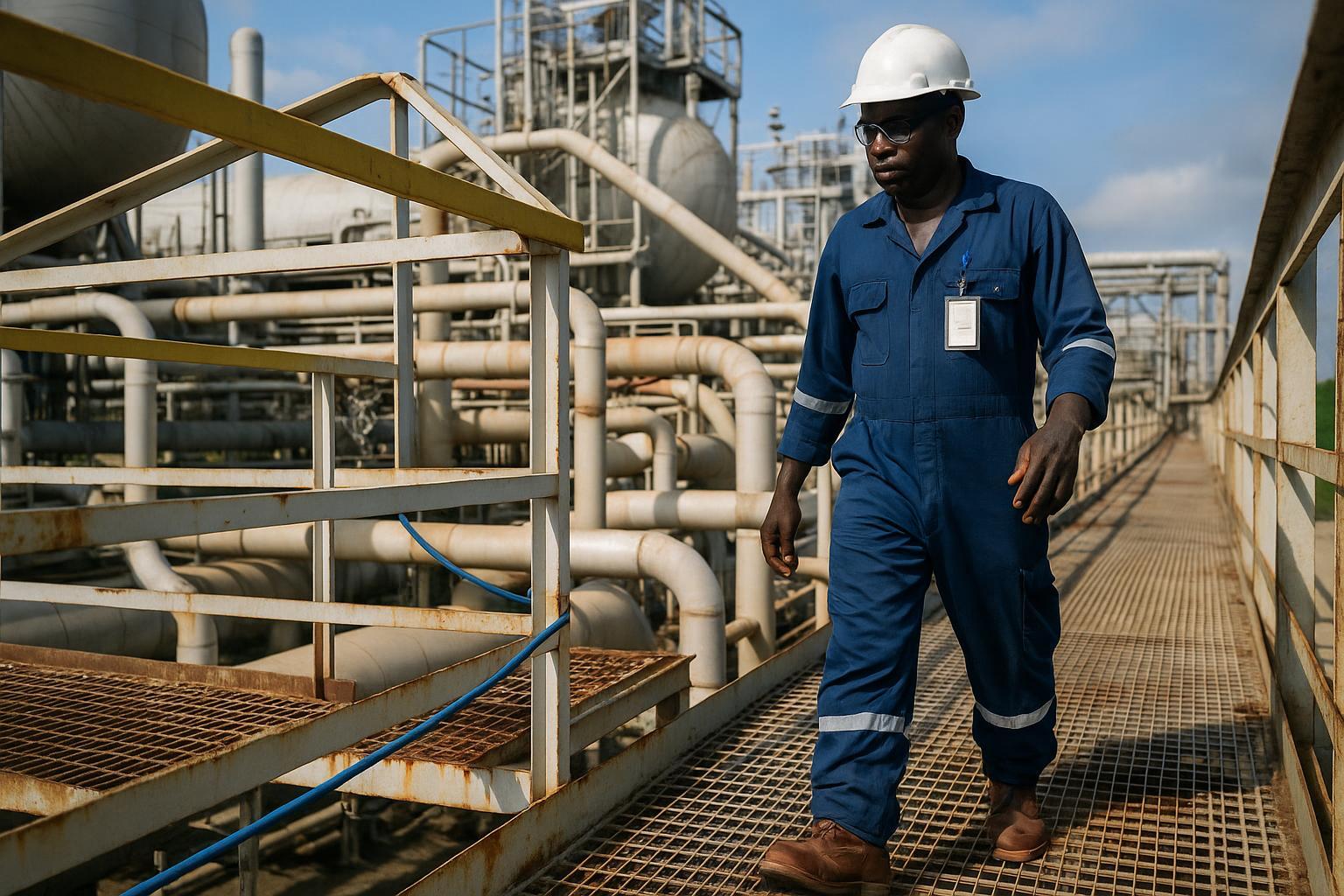
South Sudan Troop Deployment at Heglig
Sudan’s contested Heglig oil field is now under the guard of South Sudanese soldiers after an agreement between President Salva Kiir, General Abdel Fattah al-Burhan and RSF commander Mohamed Hamdan Dagalo. Defense chief General Paul Nang confirmed the deployment on state radio.
Nang said the leaders reached a quick consensus that any firefight near vital infrastructure would harm both economies. ‘The area of Heglig should be protected,’ he stated, emphasizing the joint interest in keeping crude flowing.
Economic Significance of Heglig Field
Heglig hosts the main processing hub for South Sudanese crude before it enters the Greater Nile pipeline to Port Sudan. With oil accounting for almost all of Juba’s revenue, even minor interruptions translate into budgetary stress.
For Khartoum, transit fees and foreign exchange from the pipeline system are crucial. Economists in Cairo note that stable throughput delivers tens of millions of dollars monthly to Sudan’s treasury despite the civil conflict.
Regional Oil Flow Disruptions
Since fighting erupted in April 2023 between the army and RSF, exports fell from about 130,000 barrels a day to sporadic trickles. Market analysts warn that prolonged shortages could push global sweet-crude prices upward.
Partial restoration was achieved in January when Sudan lifted force majeure at Port Sudan. However, tanker schedules remain unpredictable, adding premium costs for insurers and refiners.
Diplomatic and Investor Reactions
Observers see the Heglig arrangement as a rare example of coordination amid a fractious war. Juba positions itself as a neutral broker while safeguarding its lifeline.
A security scholar at the University of Nairobi argues the deployment also reassures international operators such as PetroChina and India’s ONGC, which invested heavily before the conflict.
Prospects for Pipeline Security
Regional diplomats suggest a follow-up mechanism to rotate protective units and monitor compliance. No timetable has been published, yet sources indicate African Union observers could be invited.
In the meantime, South Sudanese troops face the dual task of deterring sabotage and assuring civilian workers that production can continue safely.