

Transit Site Mirrors Humanitarian Strain
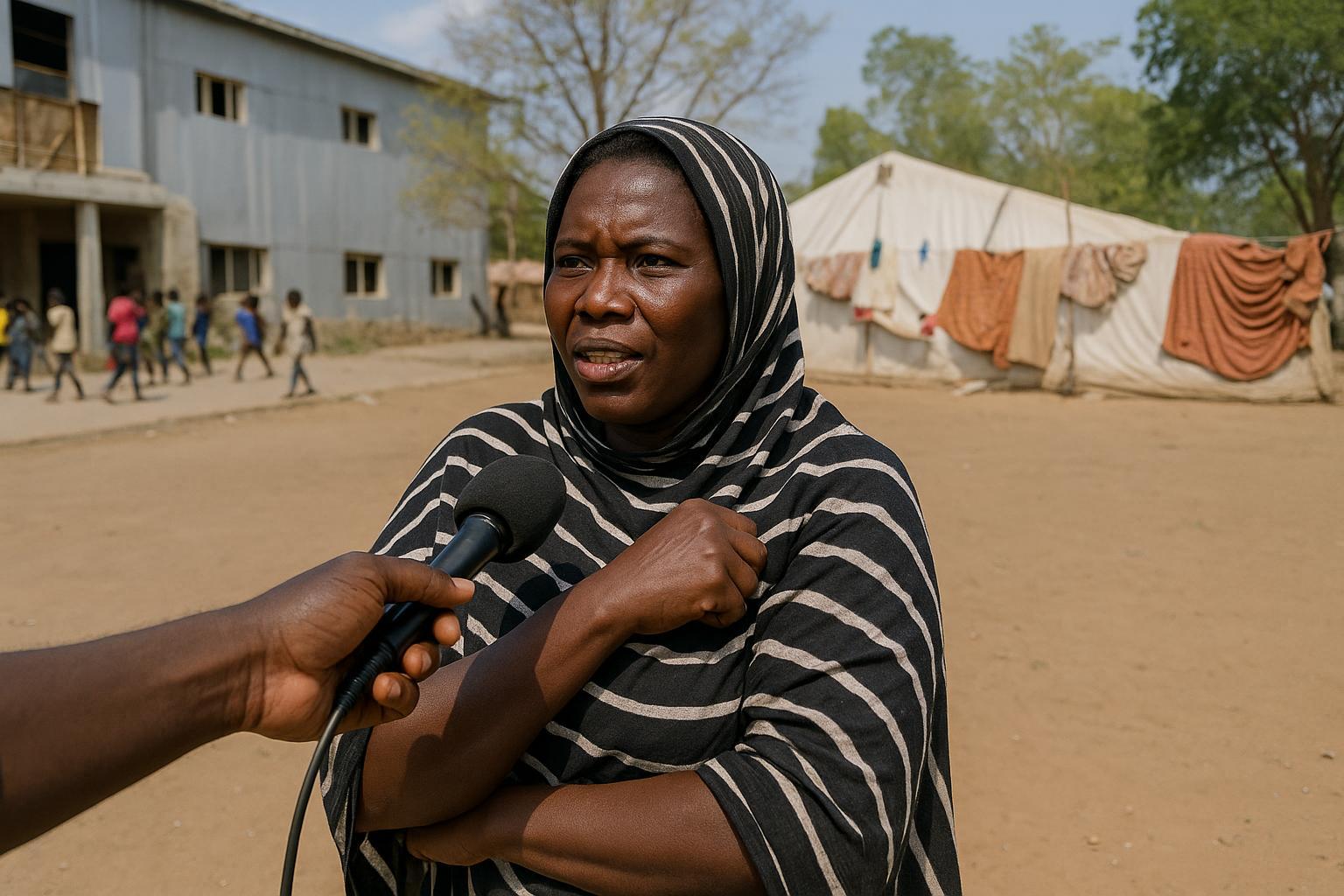
On Malakal’s dusty riverbank, rows of canvas and plastic now host hundreds of South Sudanese uprooted by Sudan’s 2024 fighting, Eye Radio reports. Their return has morphed a transit site into a protracted settlement.
Aid tents line the former football pitch, but basics stop at food rations and buckets of water; proper housing, sanitation and jobs remain distant aspirations for most families.
Single Mothers Carry Post-Conflict Burdens
Tea seller Roselinda Clement Bernado left her husband in embattled Khartoum and walked with four children to Malakal, only to find her old house burned to the ground.
“We have nowhere else to go; aid keeps us alive,” she told Eye Radio as she poured steaming cups for travellers.
Selling tea yields just enough to enroll one child in school, she says; the 50,000-SSP fee per term locks the others out.
Education Dreams Face Harsh Economics
Across the site, classroom hopes often bow to empty wallets.
Returnee Teresa Daniel, 35, feeds four children on one agency meal a day and cannot risk spending the scant income on books or uniforms.
“Help me register them before floods recede,” she appealed, noting insecurity and rising waters bar her journey back to Fangak.
Call for Stronger Coordination
County officials praise NGOs for bridging immediate food needs yet admit sustainable solutions demand larger budgets and land for resettlement.
Humanitarian partners such as IOM and Caritas continue to lobby donors, warning that prolonged limbo could exacerbate malnutrition and social tension.
Prospects Beyond the Transit Site
With South Sudan’s peace process inching forward, authorities say voluntary relocation packages will hinge on improved security and receding floodwaters.
Until then, Malakal’s tea stalls and aid lines symbolize both resilience and fragility of returnees caught between two wars.