

Juba caucus meeting signals SPLM election readiness
The SPLM National Secretariat held a joint meeting of its caucuses in Juba on Tuesday, projecting momentum around the electoral calendar and legislative work linked to the vote. Officials framed the gathering as a practical step to consolidate party direction ahead of the next phase of the transition.
Senior party figures and members discussed political, organisational and legislative priorities. According to participants, the focus was on strengthening internal cohesion, encouraging dialogue, and aligning preparations for the elections within the existing roadmap.
James Wani Igga urges fundraising for SPLM congresses
The meeting was chaired by SPLM First Deputy Chairman and Vice President Dr. James Wani Igga under the theme “SPLM Stands for Building a Peaceful and Prosperous South Sudan.” In closing remarks, Dr. Igga stressed the need to mobilise resources to convene SPLM congresses and the upcoming national convention.
Dr. Igga said the leadership is working on resource mobilisation and fundraising strategies, calling on members to be innovative amid difficult economic conditions. He argued that stronger fundraising would expand the party’s capacity to deliver core organisational activities.
During the session, Dr. Igga oversaw the swearing-in of Puok Bol Par as national chairperson of the SPLM Youth League, replacing Daniel Abucha Ali.
December 2026 elections: SPLM pledges legislative support
Presenting the meeting’s outcomes, SPLM Secretary General Dr. Akol Paul said the caucuses resolved that the party will participate in the general elections scheduled for December 2026, in line with the extended transitional roadmap.
The caucuses also agreed to ratify election-related bills once presented to the National Legislature. The decision positions SPLM lawmakers to back legal instruments considered necessary for the electoral process.
SPLM rejects “SPLM-IG” label in official references
The meeting further underscored that the SPLM name should not be used in a distorted form. Participants rejected references to “SPLM-IG”, described as “SPLM-In Government.”
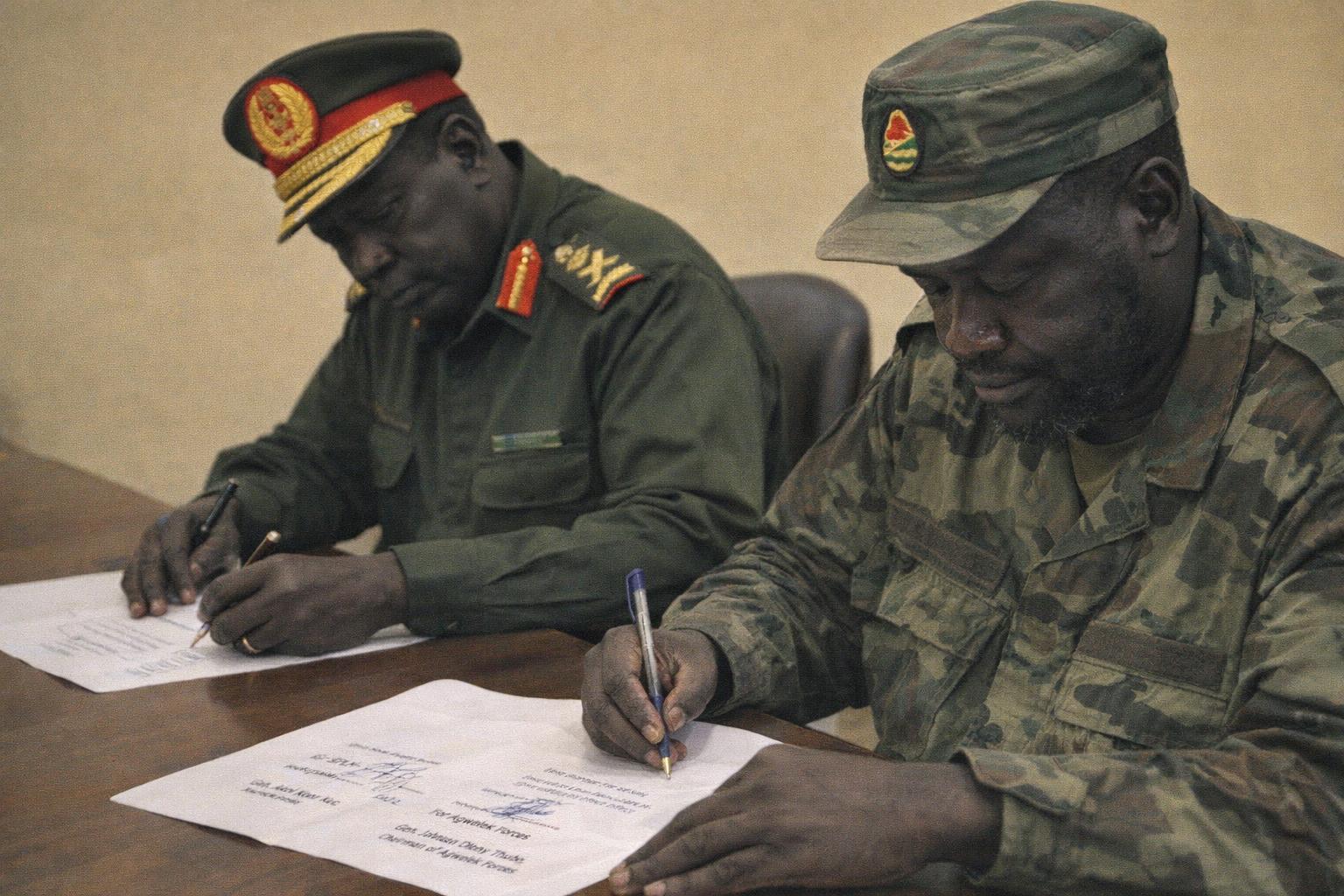
This stance contrasts with some official documents in which the ruling party has been described as SPLM-IG. One cited example is a 2022 agreement signed in Khartoum between the government and the Agwelek militia led by Gen. John Olony, where the Internal Security Bureau of the National Security Service uses the SPLM-IG label.
According to the account shared at the meeting, “SPLM-IG” emerged as a designation used by regional peace mediators to distinguish the ruling SPLM faction after the 2013 political split and civil war.
Intra-party dialogue and inter-party talks on election issues
Participants reiterated that unity and cohesiveness within the SPLM remain central to national stability. On dialogue, the caucuses agreed to deepen intra-party discussions to address internal challenges, and to promote inter-party engagement on election-related and broader national issues.
Dr. Akol Paul presented what he described as President Salva Kiir’s message in key points, including commitment to elections, dialogue within the SPLM and among political parties, unity of the party, and preparation for the 2026 vote.
Legal and political briefs as South Sudan faces transition pressures
The meeting included two presentations: a political briefing delivered by the Secretary General and a legal presentation by Michael Makuei Lueth, a senior SPLM member and minister of justice. The caucuses reaffirmed commitments to inclusive governance, peacebuilding and agreed national priorities aligned with the party’s guiding principles.
The party’s internal planning comes as the country faces economic hardship, insecurity and conflicts in some areas, alongside limited political consensus on arrangements for the December 2026 elections.
The source text notes that last month the presidency and cabinet approved amendments to key provisions of the 2018 peace agreement, delinking the December 2026 elections from the permanent constitution-making process, a national census and other reforms.
The 2018 peace deal—signed by President Salva Kiir, opposition leader Riek Machar and other leaders—has seen repeated delays, including missed election timelines. Elections have been postponed multiple times and are now scheduled for December 2026, with objections reported from Machar loyalists who say presidency-led consultations excluded them.