

UN Security Council Pressure Over Uganda Allegations
The Sudan People’s Liberation Movement-in-Opposition (SPLA-IO) has asked the United Nations Security Council to hold Uganda accountable for what the movement describes as direct military involvement in South Sudan’s civil war.
In a statement issued on Thursday, SPLA-IO called for a closer review of how the UN arms embargo on South Sudan is being enforced. It argued that Ugandan troops and equipment inside South Sudan would be inconsistent with Security Council resolutions, according to SPLA-IO.
Nimule Border Reports and Renewed Fighting
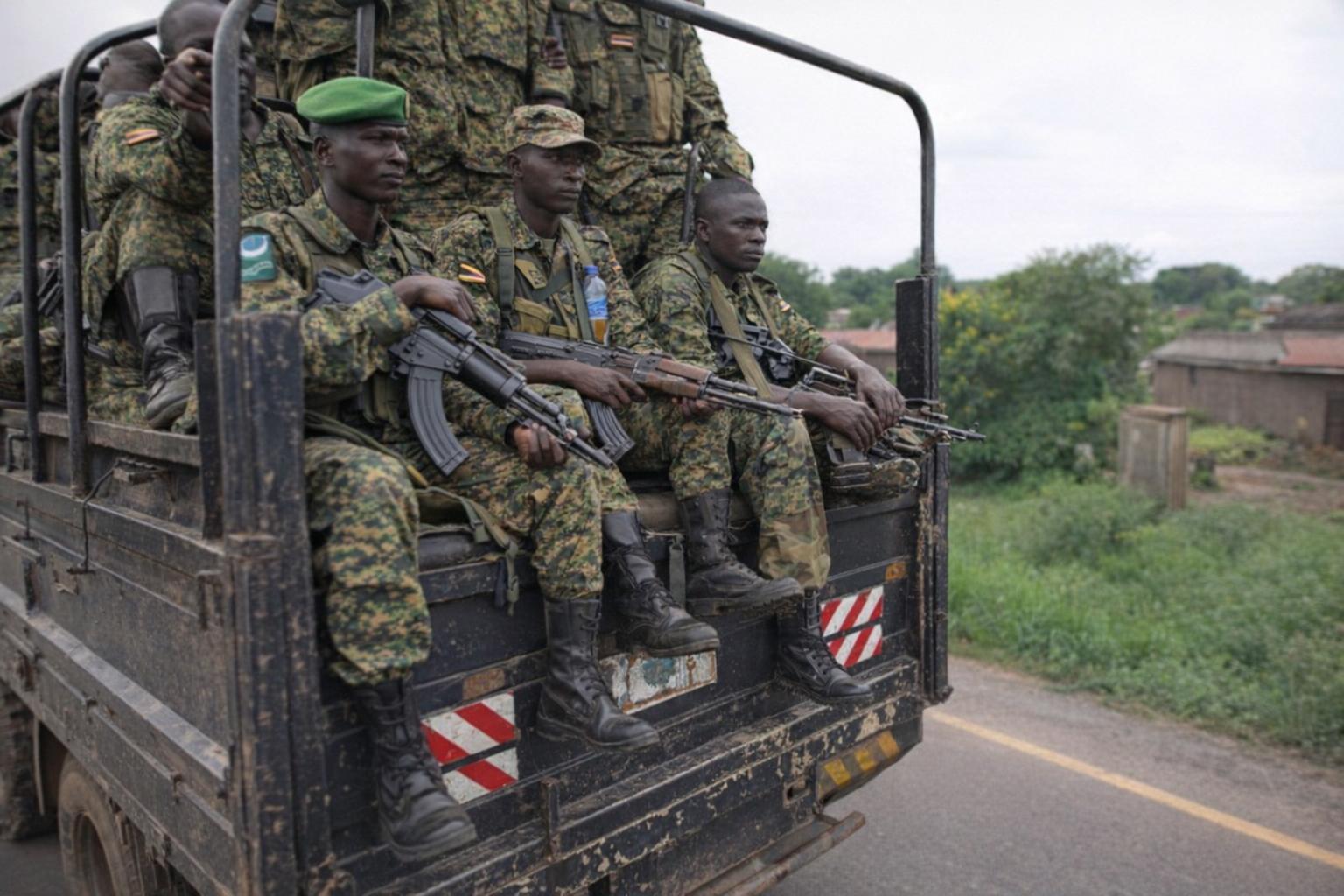
SPLA-IO’s appeal follows reports that Ugandan troops entered South Sudan through the Nimule border crossing to join the South Sudan People’s Defence Forces (SSPDF), as fighting reportedly resumed in multiple areas.
SPLA-IO said such deployments would breach international law and weaken efforts to stabilise an already fragile peace process. The movement framed the issue as both a legal and political test for international guarantees around the peace track.
Uganda’s Past Deployments in South Sudan Since 2013
Uganda has been militarily involved in South Sudan since the civil war began in December 2013. At that time, Kampala intervened alongside forces loyal to President Salva Kiir against opposition forces led by Dr Riek Machar.
Ugandan authorities justified the intervention as necessary to protect civilians, key installations, and the capital, Juba. The engagement later expanded into direct combat against SPLA-IO forces, according to the account referenced by the opposition movement.
2016 Juba Crisis and Claims of Continuing Support
In 2016, President Yoweri Museveni ordered a rapid deployment of Ugandan troops following renewed fighting in Juba. The reported focus included securing the capital, providing training, and guarding strategic sites.
SPLA-IO alleges that Ugandan support to President Kiir’s government has continued, including an asserted deployment of special forces in March 2025. These claims are presented by SPLA-IO as evidence of a sustained external military role.
Political Tensions, Security Warnings, and Alleged Violations
Tensions between President Kiir and Dr Machar have repeatedly resurfaced over the years, shaping security calculations across the country. SPLA-IO claims Uganda has issued warnings against any attempt to overthrow the government.
In the same political climate, broader accusations have circulated during heightened conflict, including allegations of serious violations and the reported use of prohibited weapons. The SPLA-IO narrative links these concerns to external backing that, it argues, reduces incentives for compromise.
South Sudan Arms Embargo: Resolution 2781 and Enforcement
The UN Security Council imposed an arms embargo on South Sudan in 2018, restricting transfers of weapons, ammunition, military vehicles, and related technical assistance. The measure was designed to limit the flow of materiel into a war setting.
The sanctions regime was renewed under Resolution 2781, which reaffirmed accountability and urged strict enforcement against violations. SPLA-IO is now calling for this framework to be applied rigorously to what it describes as cross-border troop and equipment movements.
Uganda–South Sudan Ties and Regional Stability Stakes
Despite periodic insecurity, South Sudan and Uganda maintain close political, economic, and cultural relations. Cross-border trade, educational cooperation, and development initiatives remain part of the bilateral landscape.
SPLA-IO argues that continued Ugandan military involvement risks further destabilising South Sudan and complicating regional and international peace efforts. The dispute underscores how neighbouring states can be both vital partners and contested actors in conflict environments.
What SPLA-IO Wants the UN to Do Next
SPLA-IO’s central request is for the Security Council to take up the matter formally and assess compliance with existing embargo provisions. It is also seeking clearer accountability mechanisms where the movement believes violations have occurred.
The Security Council’s response, if any, could influence not only enforcement dynamics but also the diplomatic messaging around the peace process. For SPLA-IO, the credibility of international oversight is presented as a key factor in restoring confidence among rival camps.