

Fast-Track Secondary Learning
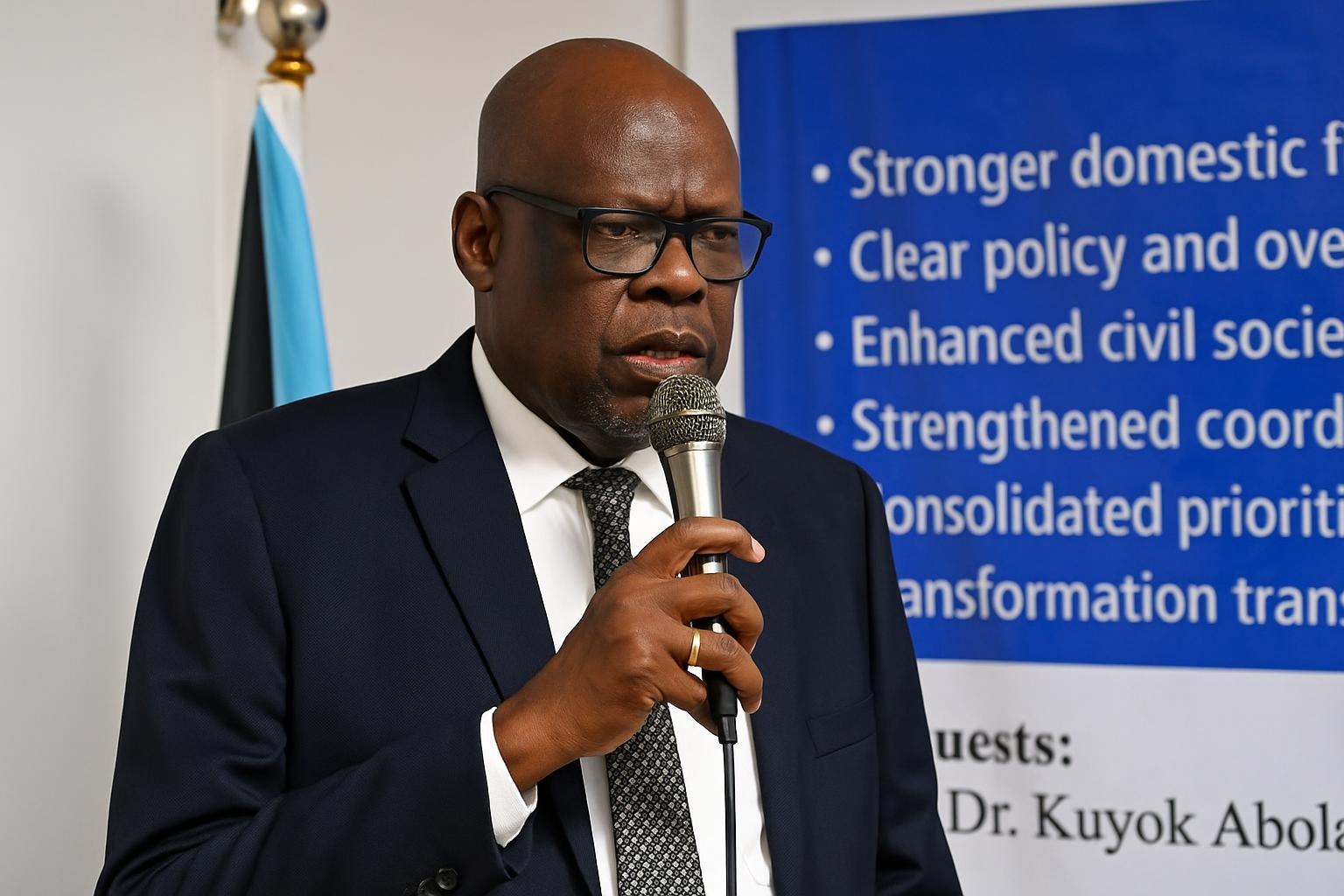
South Sudan’s Ministry of General Education and Instruction has unveiled condensed textbooks that squeeze four years of secondary lessons into two, promising wider, quicker access to quality learning through the Accelerated Secondary Education Program and new Intensive English Courses (launch event).
Minister Dr Kuyok Abol Kuyok called the initiative “a successful pathway for teachers who previously missed opportunities,” stressing that trained, qualified teachers anchor any effort to raise classroom standards across the country (Dr Kuyok).
Teacher Development at the Core
About 3,433 volunteer primary teachers, 1,193 of them women, are currently enrolled in 58 ASEP centres, working toward the national certificate they need to stay in classrooms legally and confidently (ministry data).
A parallel Intensive English Course assists 1,000 refugee teachers, bolstering language skills so they can follow national curricula and integrate fully into local school systems—a move officials say strengthens both quality and social cohesion (program brief).
Gender and Refugee Inclusion Targets
Gender-Based Violence specialist Viola Riak underlined quotas: at least 35 percent of ASEP learners must be female and 40 percent should come from refugee settings, ensuring the condensed pathway mirrors the nation’s demographic reality (Viola Riak).
Scholarships earmarked for women will help graduates transition into teacher-training institutes, a strategy officials believe will multiply female role models and gradually lift girls’ enrolment across the education chain (project outline).
Financing and National Ownership
The World Bank finances the textbooks, with implementation steered by local bodies and partner WTI; yet Dr Kuyok insists, “This is a project that is ours, and we need to own it,” urging communities to guard momentum beyond donor cycles (launch speech).
Observers say the call for ownership echoes wider debates on post-conflict reconstruction, where sustainability depends on blending external funds with domestic leadership and accountability—an equation still being tested across South Sudan’s fragile sectors (education analysts).
Prospects for Learners Nationwide
If the condensed textbooks reach remote centres on schedule, students may sit the South Sudan Certificate of Secondary Education as early as 2026, potentially adding thousands of qualified teachers to classrooms starved of skilled staff since independence (ministry projection).
For many educators who once lost hope, the two-year roadmap offers a second chance to learn, teach and rebuild communities—an illustration of how tailored policy and pragmatic partnerships can translate pledges of “quality education for all” into visible progress on the ground.