

Dialogue Drives South Sudan Peace Roadmap
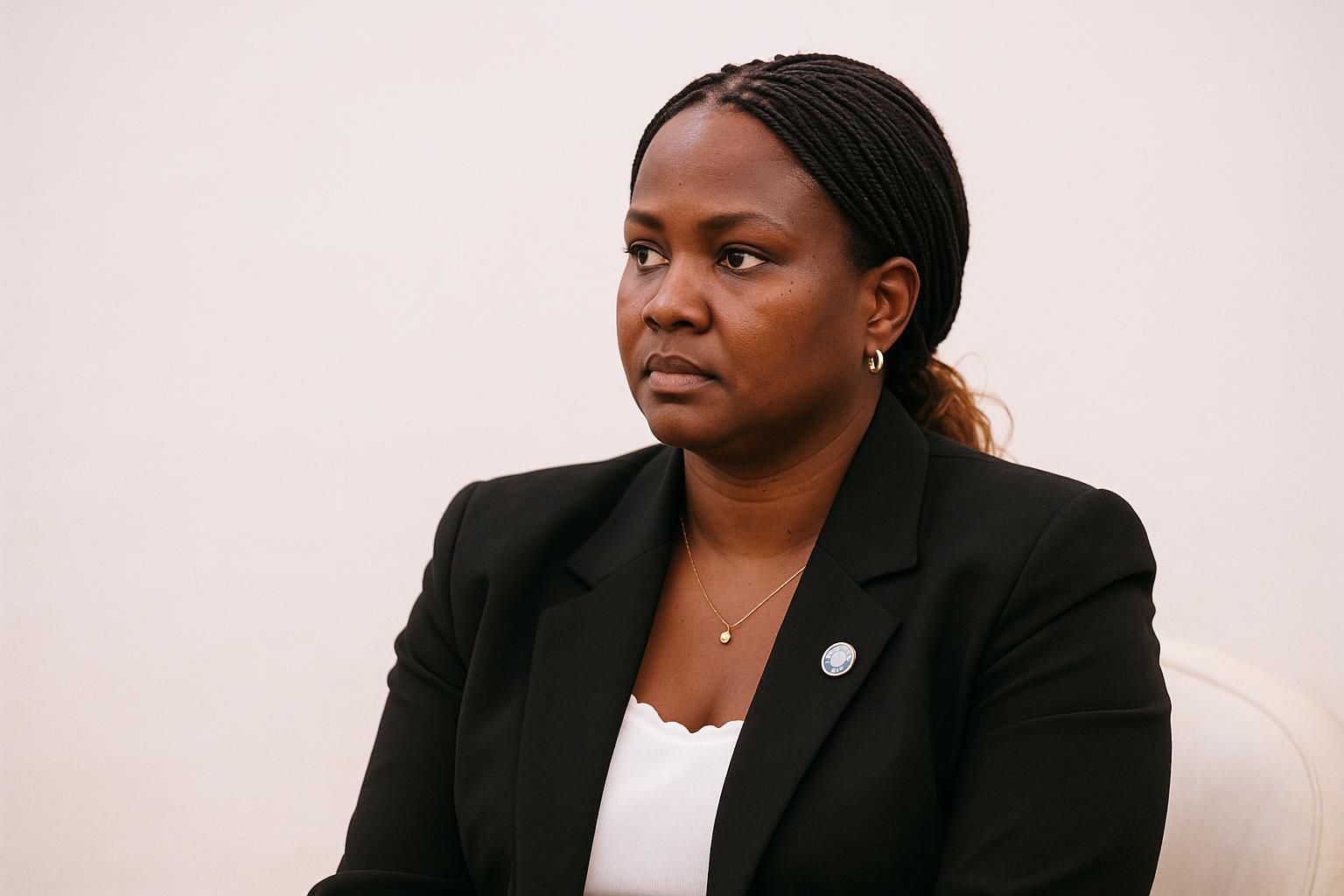
On 21 Nov in Juba, Senior Presidential Envoy for Special Programs Adut Salva Kiir closed a two-day Stakeholders’ Dialogue, insisting that structured conversation is the “critical pathway” to durable peace in the country (Eye Radio).
The forum, convened by the Centre for Inclusive Governance, Peace and Justice with the South Sudan Civil Society Forum, gathered officials, activists and international partners under the theme “Accelerating Peace Initiatives and De-escalating Violence in South Sudan.”
Actions Must Match Words, Envoy Warns
“We can talk all day, but little actions and little changes bring about the change and the peace we’re looking for,” Adut told delegates, balancing optimism with a reminder that dialogue must yield measurable steps toward security.
Observers viewed the statement as a gentle nudge to political actors still negotiating outstanding provisions of the 2018 Revitalized Agreement, including security sector reform and elections scheduling.
Grassroots Peace Begins at Home
Adut personalized the debate, noting that peace is not merely an abstract goal. “As chaotic as our environment is, when I go home, I want peace of mind,” she said, echoing widespread public fatigue with sporadic violence.
Community leaders present argued that local reconciliation committees, trauma counselling and sustainable livelihoods must accompany national dialogues if domestic spaces are to feel genuinely safe.
Civil Society and UN Women Sustain Momentum
The envoy applauded CIGPJ, the Civil Society Forum and UN Women for nurturing inclusive platforms, urging them “to remain focused on the ultimate goal of a peaceful, prosperous, and unified South Sudan.”
Organizers hinted at follow-up consultations aimed at tracking recommendations, citing evidence that continuous engagement reduces mistrust among stakeholders.
Regional Implications of Successful Talks
Analysts say progress in Juba could strengthen stability across East and Central Africa, given the interlinked nature of trade corridors and refugee flows. A peaceful South Sudan would relieve humanitarian pressure on neighbours and create new economic prospects.
Diplomatic sources believe sustained dialogue, supported by regional blocs and the African Union, could offer a replicable model for conflict-affected states seeking lasting settlements without external imposition.