

Captured Fighters Rekindle SAF–Juba Suspicions
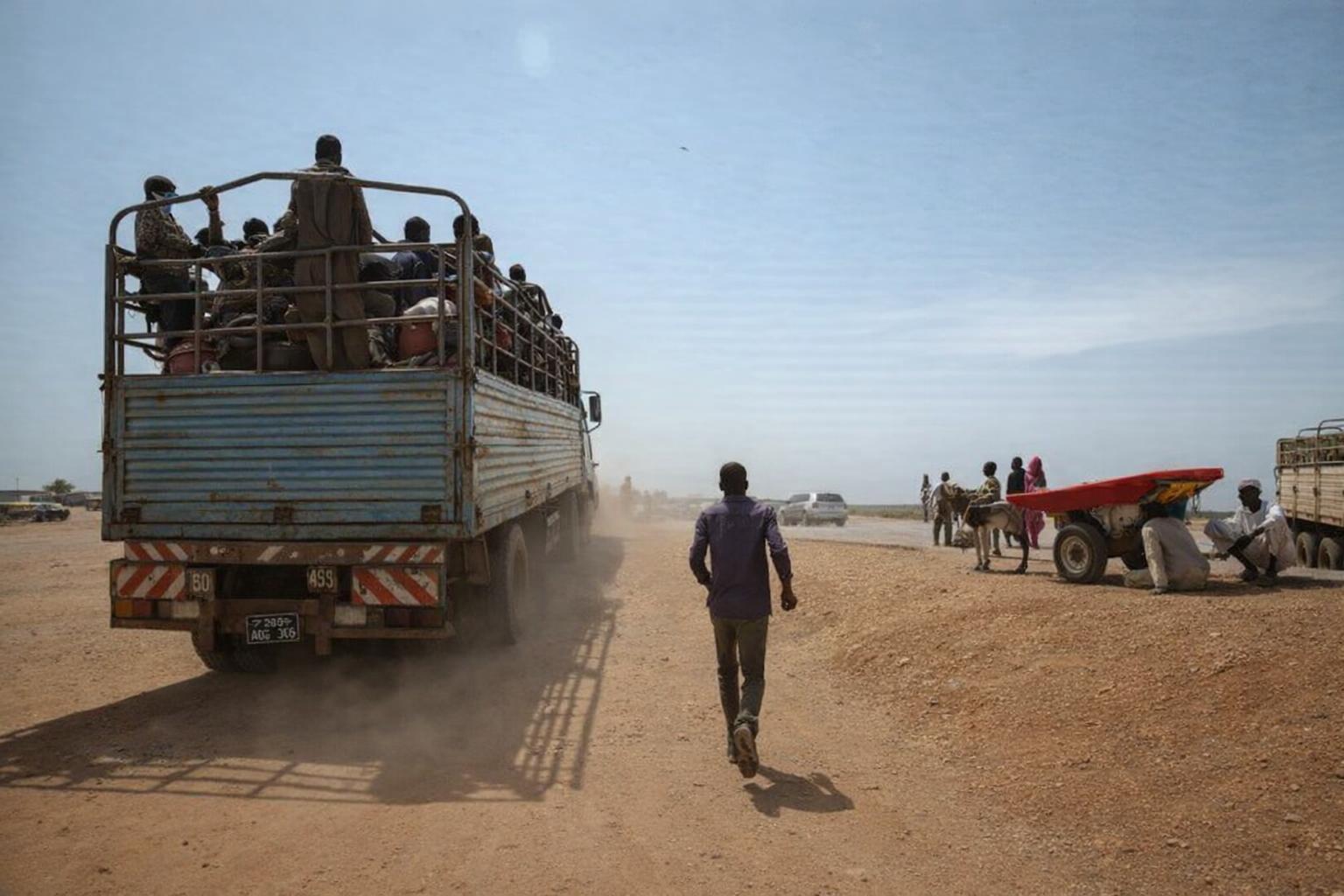
Sudan’s Armed Forces (SAF) said it captured more than 10 South Sudanese nationals who were fighting alongside the Rapid Support Forces (RSF) in Sudan’s Kordofan region, according to SAF sources cited by Al Jazeera (Al Jazeera).
The episode has amplified an argument in Khartoum that South Sudan is edging closer to Sudan’s conflict. South Sudan has faced accusations of backing the RSF, while Juba has not publicly embraced those claims in the cited reports.
A Fragile Political Context Inside South Sudan
The Kordofan fighting comes as South Sudan navigates a tense domestic climate, with reporting pointing to a power struggle between President Salva Kiir and opposition leader Riek Machar (Foreign Policy).
South Sudan’s own history adds weight to regional anxieties. After independence in July 2011, the country later fell into a civil war that ended with a 2018 power-sharing arrangement, which later showed signs of strain in reporting referenced by Foreign Policy.
RSF Alliances and Cross-Border Allegations
Since late 2024, the SAF has alleged that armed groups from South Sudan have fought alongside the RSF (Sudan Tribune). Another development cited in the source is the RSF’s alliance with the Sudan People’s Liberation Movement-North (SPLM-N) led by Abdelaziz al-Hilu.
In March, Sudan’s then-minerals minister Mohamed Bashir Abunommo accused South Sudan of enabling the United Arab Emirates to operate an “aggression base” near the border under a field-hospital cover, and of overlooking recruitment into the RSF (Sudan Tribune). South Sudan denied these claims (Sudan Tribune).
In July, the RSF and SPLM-N joined other armed supporters to announce a parallel government, an initiative covered by Al Jazeera. The BBC reported that Sudan’s military believes President Kiir is backing this RSF-linked alliance (BBC).
Heglig Oil Field Deal Raises the Strategic Stakes
Analysts cited by Al Jazeera have warned that oil could be a decisive factor pulling Juba deeper into Sudan’s civil war. South Sudan relies on oil for more than 90 percent of government revenue, and its exports depend on pipelines running through Sudan (Al Jazeera).
After the RSF said it seized the Heglig oil field on Dec. 8 (Reuters), South Sudan reached a tripartite understanding with the SAF and RSF that allows South Sudanese forces to secure the facility and help safeguard oil exports via Heglig to Port Sudan (Dabanga Sudan).
Sudan Tribune reported that the facility processes about 130,000 barrels of South Sudanese crude per day (Sudan Tribune). Horn Review described Heglig as a strategic flashpoint, and the deployment places South Sudan in a direct security role around a critical economic corridor (Horn Review).
Kordofan Violence, Displacement and Aid Shortfalls
Beyond geopolitics, civilians are bearing the immediate costs. U.N. reporting said intense fighting in South Kordofan pushed more than 1,500 civilians into Kosti in White Nile state, where makeshift camps have expanded under pressure (UN News).
Al Jazeera described overcrowded camp conditions around Kosti amid mass displacement and an international aid shortage (Al Jazeera). The World Food Programme, cited by Reuters, said it would reduce food rations due to funding gaps, even as Sudan faces famine conditions (Reuters).
Famine Alerts and Protection Warnings in Sudan
The Integrated Food Security Phase Classification confirmed famine in Sudan for a second time in less than a year, estimating 21.2 million people face acute food insecurity, according to the IPC analysis and a related ReliefWeb snapshot (IPC; ReliefWeb).
UNICEF projected that about 825,000 children could suffer severe malnutrition in 2026 (UNICEF). U.N. human rights chief Volker Turk warned that Kordofan could see atrocities on a scale reminiscent of abuses documented in El Fasher, according to the OHCHR (OHCHR).
A Narrow Path for De-escalation Along a Vital Border
Taken together, the captured-fighter claims, contested allegations of external support, and the Heglig security arrangement underline how Sudan’s war can entangle neighboring South Sudan through economics as much as politics.
For young audiences watching the region, the message is sober: oil infrastructure, alliances among armed actors, and humanitarian stress are converging. The next moves by the SAF, RSF and Juba will be closely read for signs of either containment or escalation (Foreign Policy; Reuters; Al Jazeera).