

Mounting Concerns Over GBV
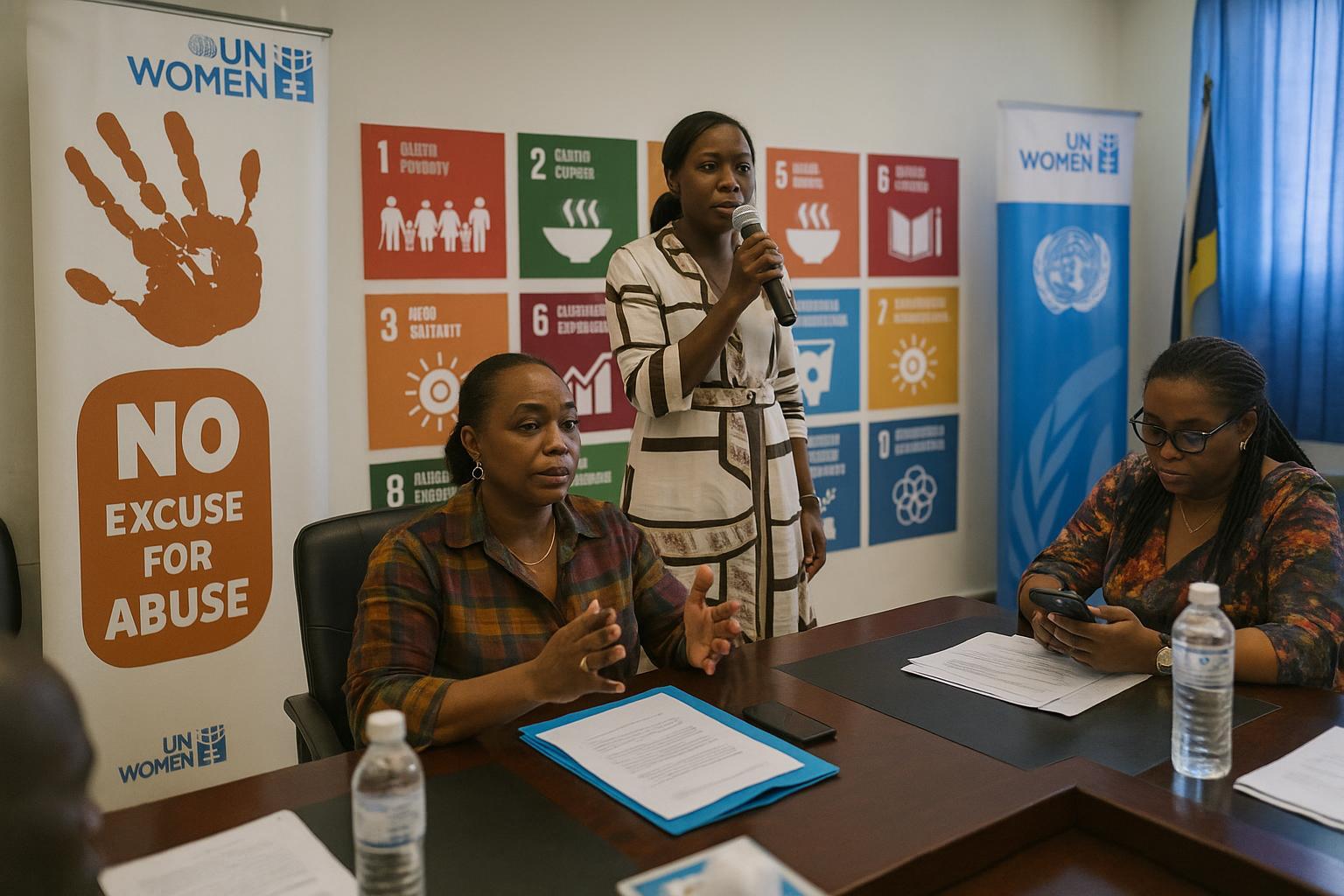
In Juba, UN Women Country Representative Delphine Serumaga warned of escalating gender-based violence that stretches from cities to remote cattle camps. She told reporters that persistent gaps in justice, shelter and social norms keep women and girls exposed to harm despite years of advocacy.
Gaps in Legal Frameworks
Serumaga lamented the absence of a comprehensive GBV bill and called for courts able to hand down consistent sentences. She stressed that legislation must be present, accessible and enforced if survivors are to trust the system.
Digital Dimension of Violence
The global theme for this year’s 16 Days of Activism targets online abuse. The UN official questioned whether South Sudanese statutes even mention cyber-harassment, urging media houses to investigate legislative blind spots and to hold virtual spaces accountable.
Funding and Data Challenges
Women-led groups, many operating from makeshift offices, remain under-funded despite providing first-line support. Serumaga argued that reliable data systems are equally scarce, making it difficult to measure trends or allocate resources where they are most needed.
Youth Stakes and Social Attitudes
With a majority-youth population, South Sudan risks normalising violence if attitudes are not reshaped early. “We are missing a moment in the history of this nation,” she cautioned, pointing to the long-term costs of failing to socialise boys and girls toward equality.
A Collective Call to Action
Serumaga invited officials, donors, journalists and citizens to use their influence to curb violence. She insisted that survivors must speak without fear, and that technical and financial backing should match the scale of the crisis now, not later.