

Cabinet-led push for fiscal discipline in Juba
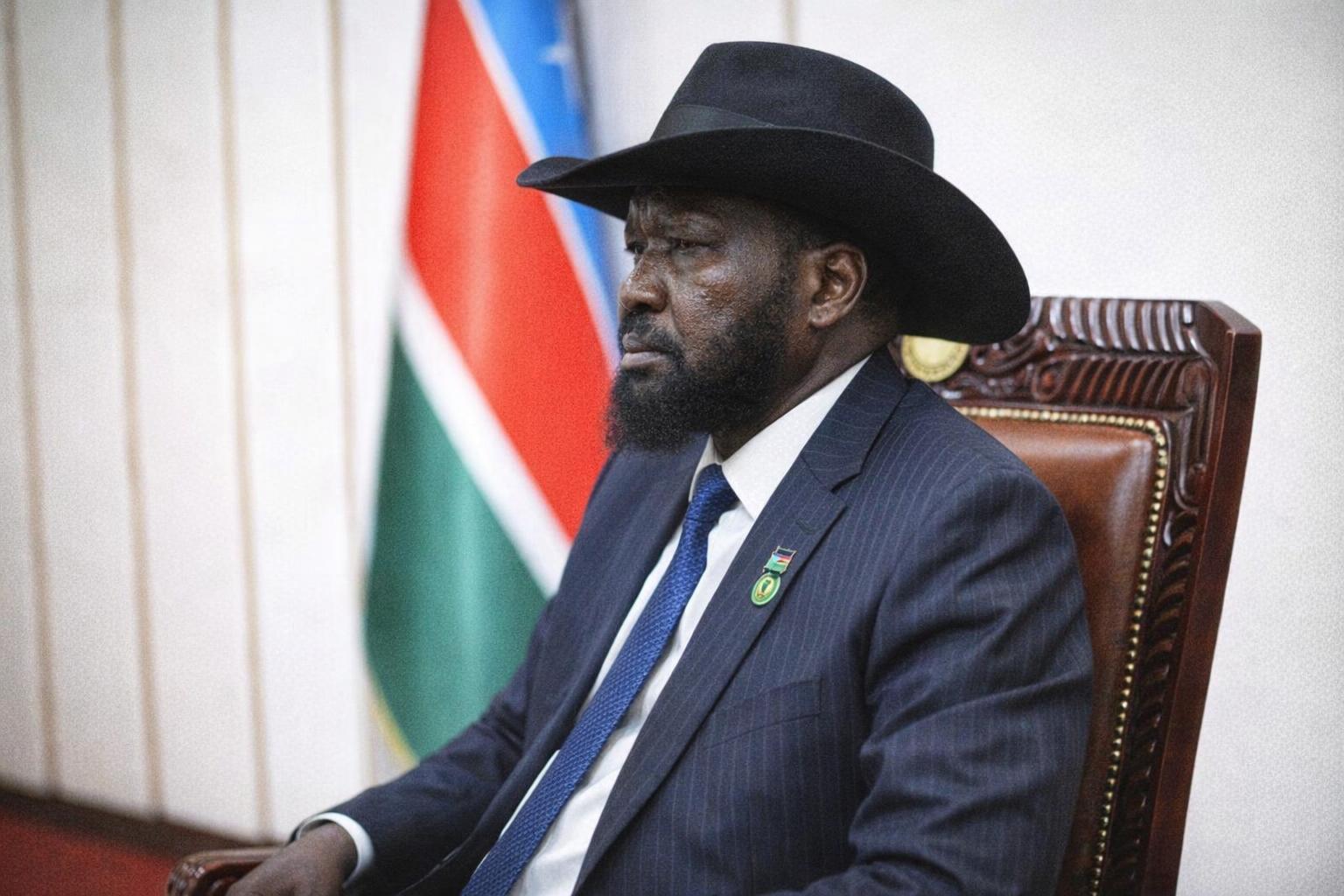
South Sudan’s Cabinet, chaired by President Salva Kiir Mayardit, on Friday moved to cut public spending as part of efforts to stabilise the economy. The meeting took place in Juba, where ministers discussed measures aimed at restoring confidence in public finances.
Finance ministry memo frames economic recovery plan
The Council of Ministers approved a new plan on fiscal discipline and economic recovery after Minister of Finance and Planning Dr. Bak Barnaba Chol presented a memo on financial discipline. Officials described the plan as centred on tighter spending, stronger revenue generation, and renewed financial order across public institutions.
Tax exemptions targeted to plug revenue leakages
Speaking to the press after the meeting, Information Minister Ateny Wek Ateny said the government will cut unnecessary tax exemptions that, according to officials, cost the country billions in lost revenue. “All these unnecessary tax exemptions granted to individuals and institutions must come to an end,” Ateny said.
Revenue Authority empowered to reject illegal exemptions
Ateny added that the Cabinet ordered the South Sudan Revenue Authority to cut illegal exemptions to strengthen domestic revenue collection. “The Council of Ministers has empowered the Revenue Authority to reject any illegal or unjustified exemptions so as to enhance domestic revenue to fund critical government programs,” he said.
Salary payments and institutional continuity prioritised
The Cabinet also directed the Ministry of Finance and Planning to prioritise payment of salaries for civil servants and organised forces, while ensuring the smooth running of government institutions. Ateny said ministers reaffirmed their commitment to backing the finance ministry’s efforts to bring financial order to the country.
President Kiir calls for swift execution of reforms
President Kiir urged ministers to act quickly, stressing that fiscal discipline is central to economic recovery and improving services for citizens. Government officials framed the steps as immediate actions designed to restore budget credibility and protect critical state programmes during a period of financial pressure.