

Rising Momentum in Western Equatoria
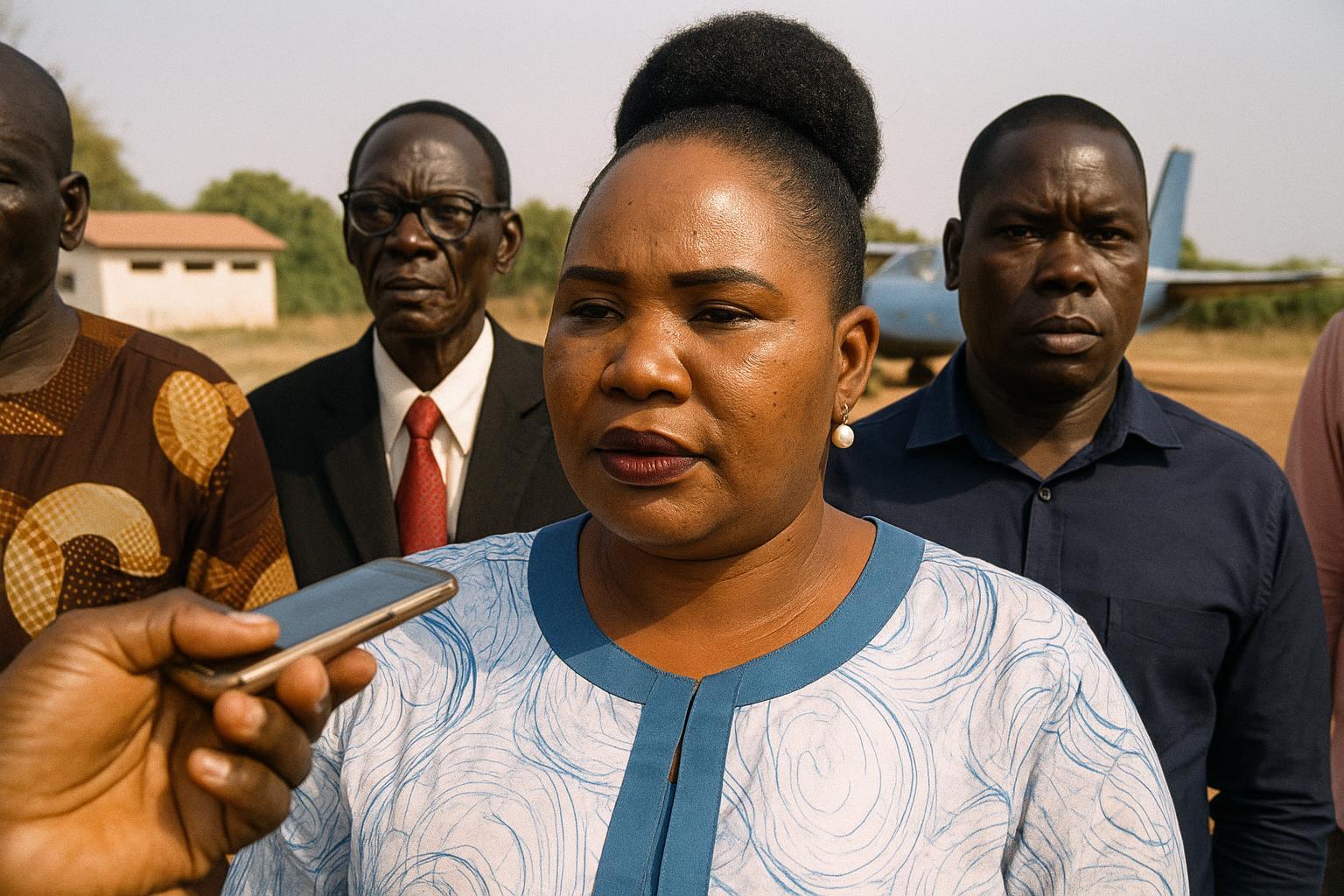
Standing on the dusty tarmac of Yambio Airstrip, Western Equatoria Speaker Ann Tunna Richard framed the approaching 2026 general elections as a watershed for South Sudanese women.
Fresh from a Juba conference on women’s equal participation, she told reporters the constitutional 35 percent quota must become practice, not promise, or parties risk exclusion from the ballot.
Women Eye 35 Percent Constitutional Quota
Tunna’s proposal echoes provisions already embedded in the 2018 peace deal, yet implementation remains uneven across states. She argued that guaranteeing female candidates one in every three slots would enrich debate and improve oversight in both national and local chambers.
Economic and Security Hurdles
Poverty, lingering insecurity and gender-based violence still deter aspiring women, the Speaker acknowledged.
Conflict-related displacement has drained family savings, while sporadic clashes in Western Equatoria and Jonglei shrink campaign corridors. Without financial backing or safe movement, many qualified women shy away from rallies and constituency visits.
Party Structures Hold the Key
Tunna praised SPLM Chair Barrister James Al-Taib Jazz Berapal for reserving senior posts for women, calling the move a model others can emulate.
She reminded citizens that influence begins inside party secretariats, long before campaign posters appear, urging young women to register, attend meetings and contest internal primaries.
Domestic Violence Enters the Debate
Delegates in Juba adopted resolutions aimed at curbing domestic abuse, which has spiked in parts of Western Equatoria and Jonglei according to state health reports.
Tunna appealed for family unity, saying peaceful households create stable communities and credible elections. “We need men to champion the rights of their wives and children,” she told journalists.
Looking Toward December 2026
South Sudan’s first national polls since independence are scheduled for December 2026 under the revitalised peace roadmap.
Regional analysts say meeting the timeline while broadening female representation could bolster service delivery and root the ceasefire more deeply in society.
For Tunna, the coming months are about persuasion, not protest. “The constitution has already opened the door; now we must walk through it together,” she concluded before heading to the assembly.