

Peace Accord Amendments Spark Debate
On Wednesday, South Sudan’s presidency endorsed amendments to the 2018 Revitalized Agreement on the Resolution of the Conflict, stripping out several pre-election milestones. The revisions move a national census to after polling day in December 2026 and compress other legal timetables.
Opposition Voices Concerns Over Timeline
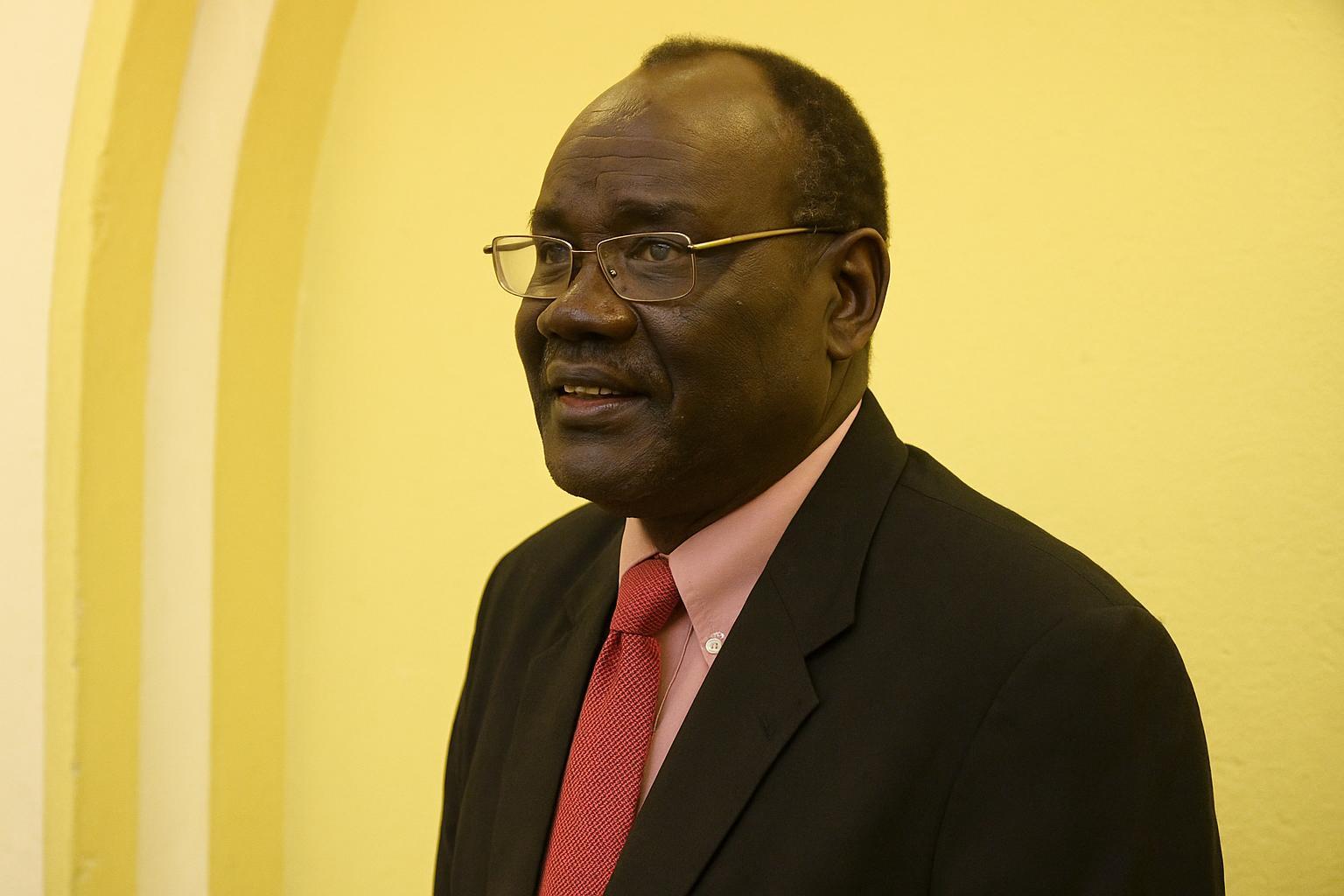
Joseph Malwal Dong of the SPLM-IO argued that deleting core provisions risks turning the vote into what he called “a sham election” (Radio Tamazuj, 2026). He maintains that credible polls require a completed permanent constitution and broad consensus among signatories.
Malwal underlined that party conventions to choose candidates have yet to occur, questioning how campaigns can begin without them. “People believe in the agreement,” he said, adding that altering its spirit erodes trust built since the war ended.
Legal Proceedings Heighten Political Tension
Tension grew further with the ongoing trial of First Vice President Riek Machar and seven associates over a March 2025 Nasir attack. Malwal dismissed the hearings as a “witch hunt,” noting prosecution witnesses have, so far, provided no direct incrimination.
Role of International Stakeholders Questioned
The opposition official voiced frustration with mediators who shepherded the 2018 deal, accusing them of “siding with the government in the name of sovereignty.” He argued that genuine legitimacy flows only from elections that respect the pact’s original roadmap.
Government Perspective and Silence
Juba has not yet replied to Malwal’s statements. Officials previously contended that amending the accord accelerates long-awaited elections and safeguards stability. The SPLM and SPLM-IO have traded blame for delays, each insisting the other has violated earlier clauses.
Potential Paths Forward
Analysts caution that prolonged deadlock may reignite unrest in a nation still healing from a five-year civil war. Some urge renewed dialogue inside the accord’s framework, while others say parliament could adopt interim rules, then finalize the constitution post-election.
Youth Hopes and Regional Stakes
With two-thirds of citizens under thirty, many young South Sudanese yearn for a peaceful ballot to unlock jobs and services. Neighboring states, eyeing trade corridors and oil exports, also prefer a stable transition that prevents refugee outflows and security spillovers.
Countdown to December 2026
Whether the amended timetable endures rests on negotiations in the coming months. For now, the clock toward South Sudan’s first post-independence election continues to tick, shadowed by legal battles, political skepticism and the lingering promise of a durable peace.