

A Scholar’s Stand
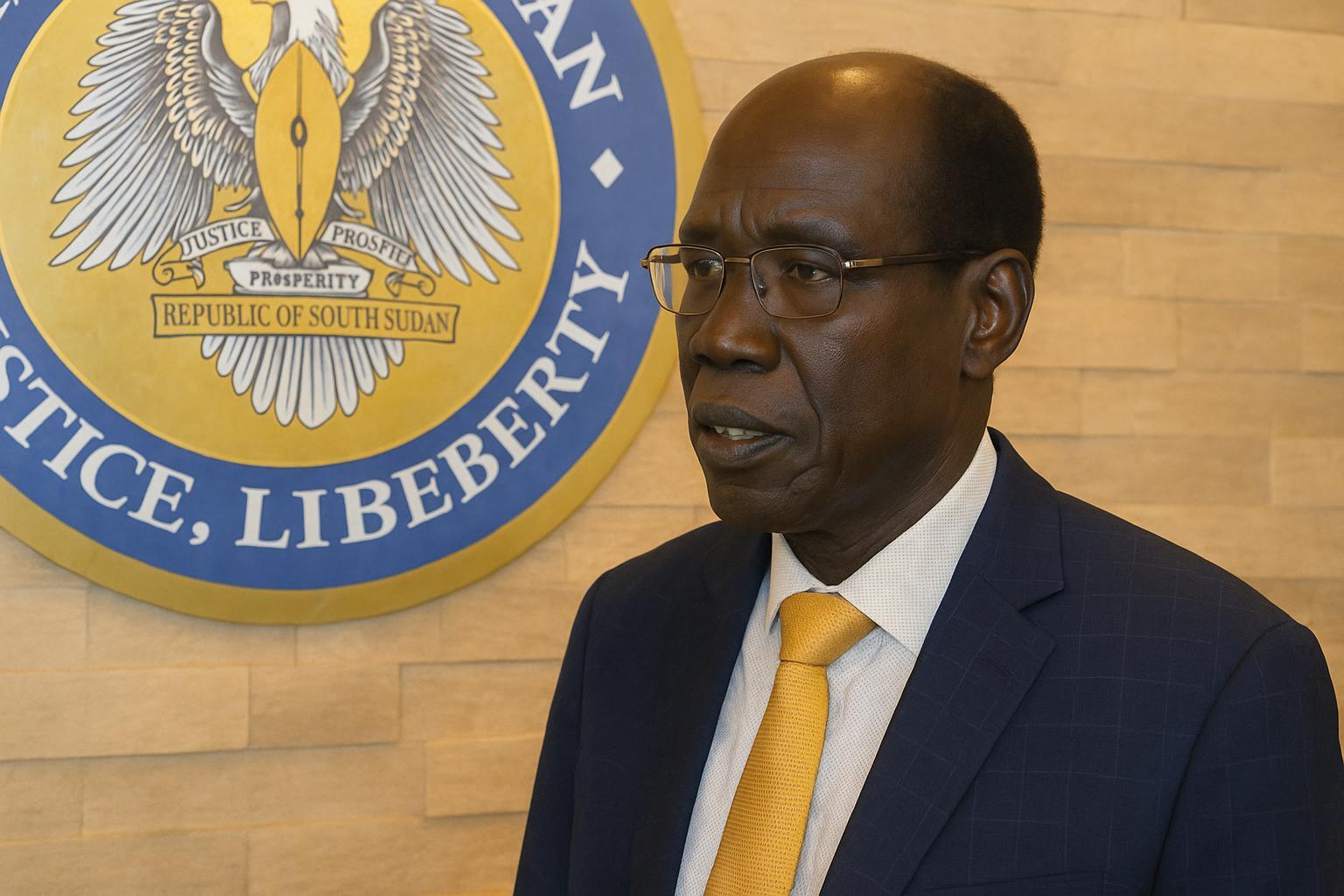
Juba awoke to surprise as Prof. John Akec, ex-Vice Chancellor of the University of Juba, publicly withdrew from consideration for any ministerial portfolio. On Facebook he wrote that he preferred to remain “a mere teacher at large” rather than join a patronage-laden cabinet.
Patronage Under Spotlight
Akec’s statement targeted what he called a culture where “ministerial appointments are regarded as family fortune.” His timing resonated; several relatives of President Salva Kiir and senior officials currently occupy influential posts, intensifying perceptions of concentrated power in the young nation.
Faces in Familiar Places
Recent appointments include Adut Salva Kiir as Senior Special Envoy on Presidential Programs and Atong Kuol Manyang as Minister of Trade and Industry. Mabior Garang now heads Environment and Forestry, while Kose James Wani Igga directs the Roads Authority—examples cited by observers as symbols of dynastic politics.
Academic Voices and Policy Memory
This is not Akec’s first clash with policymakers. In 2018 he questioned dredging plans for the Naam River, insisting on environmental assessments. The episode escalated into heated parliamentary debate, yet underscored his insistence on evidence-based decision-making over political expediency.
Ripple Effects Across Campus
Students and lecturers in Juba describe Akec’s latest stance as morale-boosting. “It shows scholarship can speak truth to power,” said economics lecturer Mary Sebit. Analysts argue the gesture may embolden other technocrats to demand meritocratic processes in South Sudan’s evolving governance architecture.
Generational Hopes
Akec ended his note with a hope that “the next generation will fix it.” Youth activists interpret the line as a call to craft institutions where public office is service, not inheritance. Whether the ripple grows depends on sustained civic engagement and responsive leadership.