

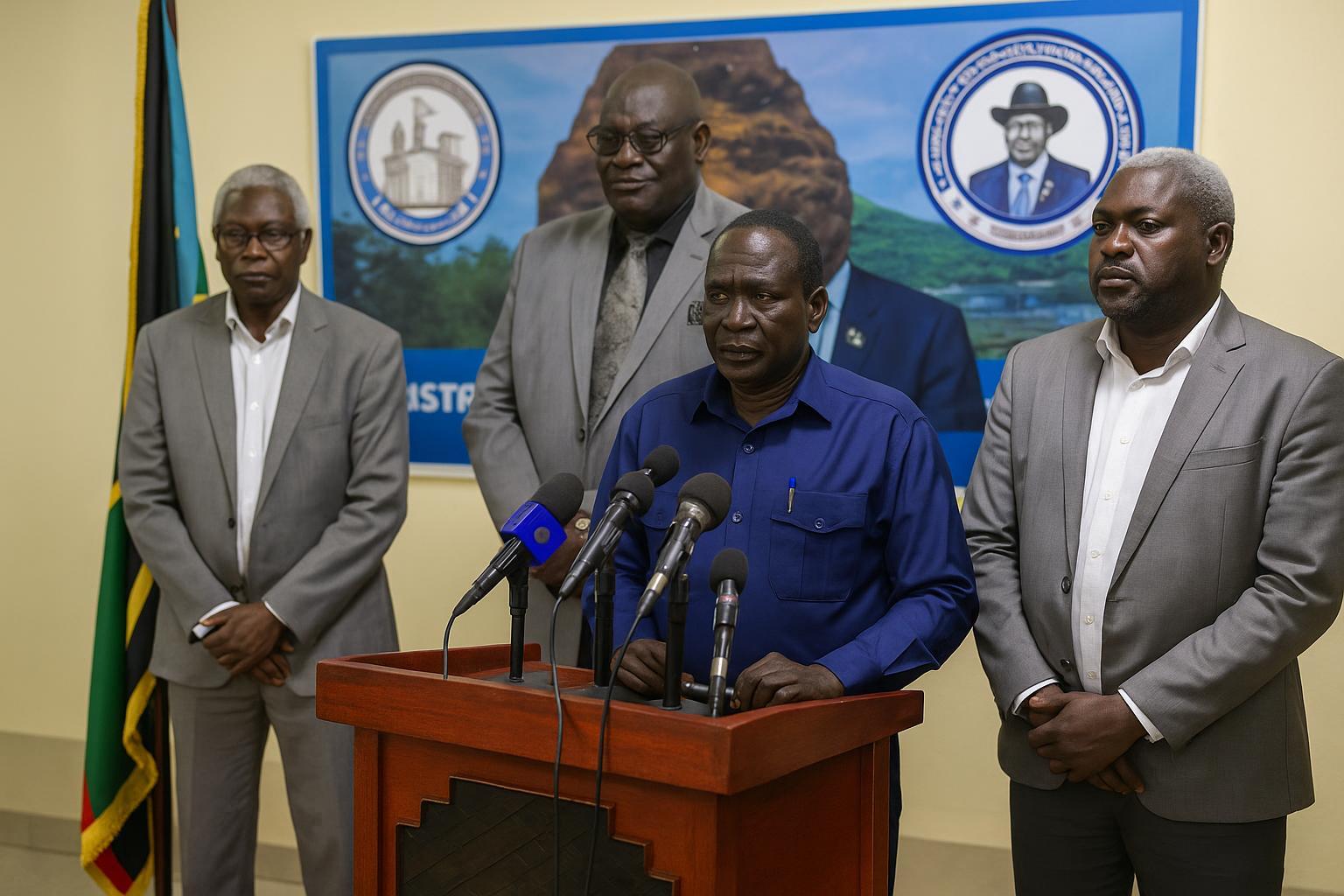
Historic Surrender of Arms
On 22 December 2025, SSOA chairman and Agriculture Minister Hussein Abdelbagi Akol stunned Juba’s press corps by announcing that every soldier and rifle under the South Sudan Opposition Alliance had been surrendered to President Salva Kiir.
“The future of South Sudan must be settled by ballots, not bullets,” he said, positioning the move as a milestone toward ending what he called “militarized politics.”
Why Chapter Two of R-ARCSS Matters
Citing Chapter Two of the Revitalized Agreement on the Resolution of the Conflict in South Sudan, Abdelbagi argued that integrating former rebels into a unified, professional defence force is the only way to stabilise institutions and unlock promised development funds.
Orders to Commanders and Parties
Within the same briefing, he instructed all SSOA field commanders to report to designated cantonment and training centres under the South Sudan People’s Defence Forces chain of command.
He also gave a ten-day deadline for allied parties—FDP, SSNMC, NAS, SSUM and NDM—to submit updated personnel lists that were missed during earlier integration phases.
Implications for Upcoming Elections
By relinquishing command, Abdelbagi frees himself to campaign exclusively on policy, especially food security, ahead of the planned national elections. He described the decision as “irreversible” and urged other power brokers to emulate the gesture.
Regional and International Reactions
Nairobi-based analyst Abraham Kuol welcomed the step, telling Eye Radio that “folding the guns removes a perennial excuse for delaying polls.” Diplomatic missions, including IGAD’s secretariat, issued statements praising the hand-over while urging swift deployment of monitors.
In Juba, government spokespeople framed the surrender as proof that the security provisions of the peace roadmap are alive, potentially unlocking fresh donor support for disarmament and reintegration programmes.
A Turning Point for South Sudan
Whether other holdout groups will follow remains uncertain, yet Abdelbagi’s choice signals a shift toward civilian contestation. If replicated, South Sudan could enter its first post-war election with one army and many parties—a scenario reformers have long demanded.