

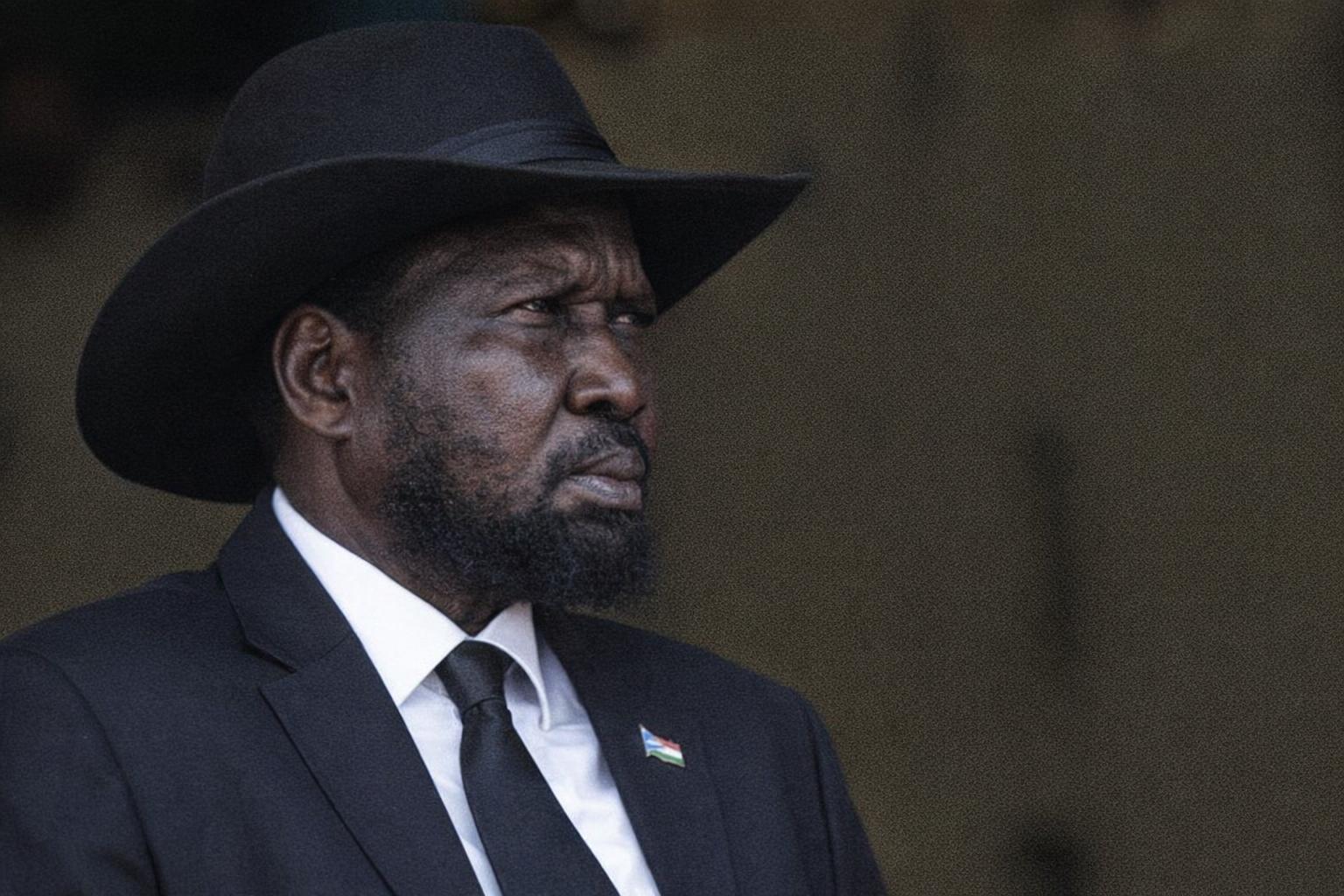
A Consultative Body Under Close Scrutiny
South Sudan’s political calendar is again under focus after President Salva Kiir created a consultative body linked to preparations for the December 2026 elections, alongside indications of renewed support for the Kenya-led Tumaini peace talks. Supporters see an opening; critics question intent and representation (Radio Tamazuj).
Tumaini Peace Talks: The Disputed Timeline
According to the author’s account, the Tumaini initiative began in May 2024 as a process meant to reinforce the 2018 peace agreement. The same source argues that the process later became contested over participation rules and political trust (Radio Tamazuj).
The text says that by July 2024, the Sudan People’s Liberation Movement-In Opposition (SPLM-IO) withdrew, citing exclusion and manipulation. It adds that in August 2025 the government declared the talks ended, referencing an alleged united opposition military wing (Radio Tamazuj).
Representation Debate: SPLM-IG, SPLM-IO and Splinter Groups
The consultative body, as described by the author, includes members of the ruling Sudan People’s Liberation Movement-In Government (SPLM-IG) and smaller opposition parties. The same account says the SPLM-IO leadership, including First Vice President Dr. Riek Machar, is not included (Radio Tamazuj).
The text states that figures linked to a splinter faction led by Stephen Par Kuol appear in the consultative structure instead. The author frames this as a strategic choice rather than an administrative oversight, arguing it reshapes who speaks for the opposition within official forums (Radio Tamazuj).
Contact on Possible Tumaini Resumption
The author reports that Acting SPLM-IO Chairman Oyet Nathaniel told him Kenyan authorities had made formal contact regarding a planned resumption of Tumaini talks. The SPLM-IO leadership, in this version, said it was studying the proposal and would respond in its own time (Radio Tamazuj).
The same account contrasts this with the government’s engagement with an SPLM-IO splinter group referenced as emerging in April 2025. The mainstream SPLM-IO, the author writes, describes that faction as a government project (Radio Tamazuj).
Elections, Legitimacy and the 2018 Peace Agreement
The author’s central argument is that elections held without broad-based inclusion and key reforms would not meet the spirit of the peace framework. He links electoral credibility to security sector reform, civic space, and functioning institutions, describing current conditions as insufficient (Radio Tamazuj).
In the same text, the December 2026 vote is presented as dependent on full implementation of the revitalized peace agreement, including reforms and disarmament. The author contends these steps have not been realized and warns that consultation without consent risks deepening mistrust (Radio Tamazuj).
Regional Stakes Across East Africa
Beyond domestic politics, the piece argues that an unstable or contested process could affect the wider East African region through refugee pressures, cross-border insecurity, and the credibility of mediation norms. It also suggests that “performative peace” may weaken confidence in regional guarantors (Radio Tamazuj).
What Observers Will Likely Watch Next
The article ultimately frames the consultative body and Tumaini signals as a legitimacy test: whether they broaden representation and advance reforms, or merely manage political optics. In this telling, credibility will be judged by who is at the table and what binding commitments follow (Radio Tamazuj).
Radio Tamazuj notes that the views in its opinion articles are those of the author and that responsibility for the claims rests with the writer. The author is identified as Duop Chak Wuol, an analyst and former editor-in-chief of the South Sudan News Agency (Radio Tamazuj).