

Renewed clashes raise stakes for South Sudan peace
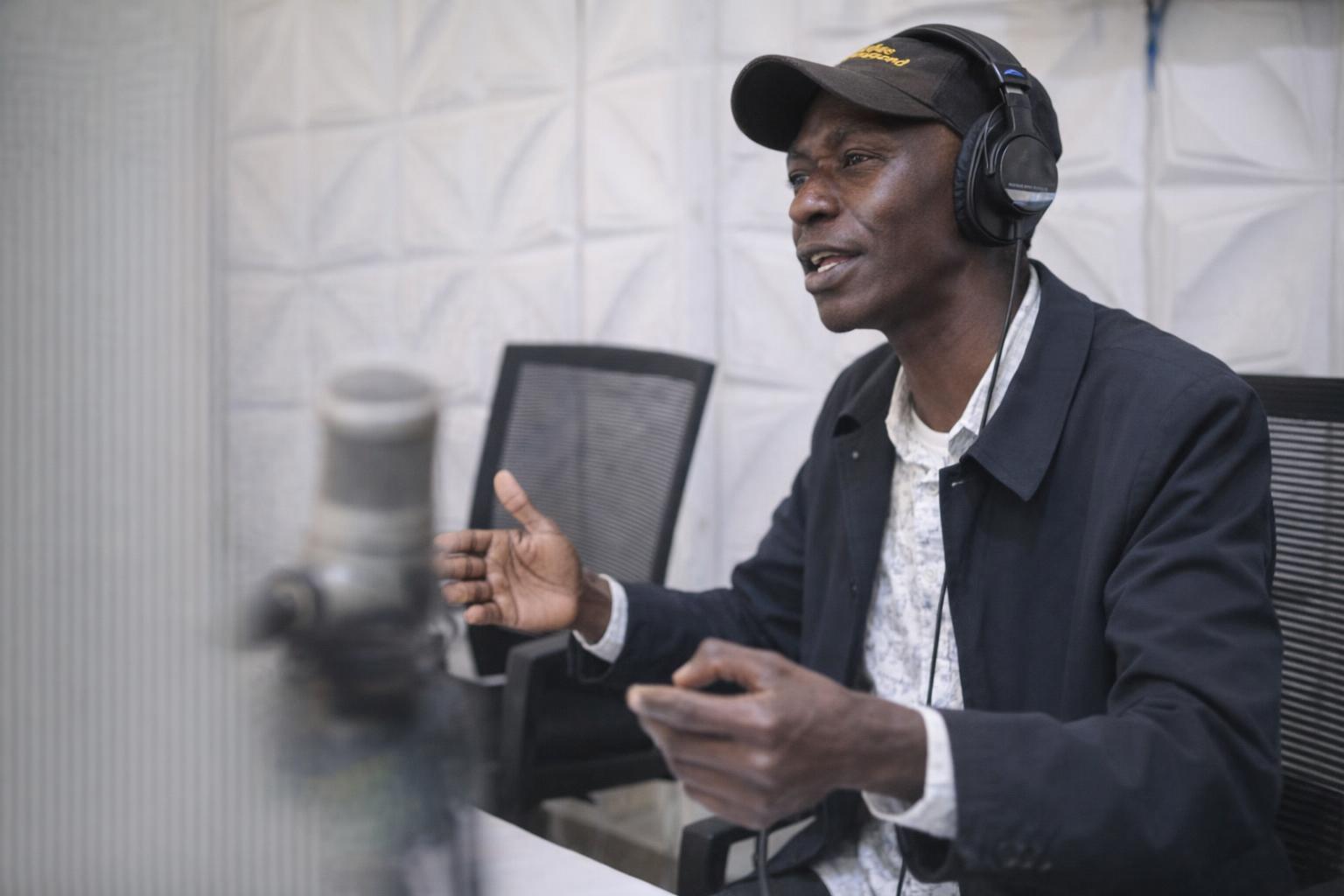
South Sudanese civil society activist Edmund Yakani is calling for the immediate resumption of an inclusive political dialogue, arguing that continued military confrontations among peace deal parties are putting the country’s fragile stability under strain (Eye Radio).
His remarks come amid wider concerns about renewed fighting in parts of South Sudan, with observers warning the security and political environment could deteriorate further if dialogue is delayed (Eye Radio).
Inclusive political dialogue back on the agenda
Speaking to Eye Radio via WhatsApp, Yakani said preparations have restarted for the South Sudanese to South Sudanese Dialogue, an initiative meant to convene key stakeholders and signatories to the Revitalized Agreement on the Resolution of the Conflict in South Sudan, known as R-ARCSS (Eye Radio).
He presented the process as a forum to address what he described as a political stalemate, after political commitments among the parties weakened, particularly following a violent incident in Nasir County in March 2025 (Eye Radio).
National unity government faces a visible contradiction
Yakani voiced concern about what he portrayed as conflicting realities: a Government of National Unity remains in place, yet military wings linked to the same political parties are reported to be engaging in active fighting (Eye Radio).
“We are witnessing serious military confrontations, with parties declaring that they have liberated towns, attacked towns, or repelled offensives,” Yakani said, stressing that the forces involved belong to parties that signed the 2018 peace agreement and formed the unity government (Eye Radio).
Organising committee to shape agenda and rebuild trust
Yakani said stakeholders have committed to ensuring the inclusive dialogue takes place by the end of January. He argued that South Sudanese should be enabled to tackle national challenges through what he described as a homegrown process (Eye Radio).
According to him, an organising committee has already been established to build confidence in the initiative. He said it includes representatives from “rightful signatory parties” to the R-ARCSS and other national stakeholders (Eye Radio).
He added that the committee’s mandate includes designing the dialogue’s structure, methodology, objectives, agenda and expected outcomes, with the aim of ensuring clarity and credibility around the process (Eye Radio).
Spoilers, party splits and the push for accountability
Yakani also warned that spoilers are attempting to weaken the initiative. He accused unnamed individuals and groups of exploiting internal divisions within political parties and misrepresenting the dialogue’s purpose (Eye Radio).
“The spoilers are trying to invest in party splits and give wrong interpretations of this dialogue,” he said. Yakani added that any party rejecting or undermining the initiative would be publicly named (Eye Radio).
De-escalation and renewed commitment to R-ARCSS
Yakani reiterated that the dialogue is intended to bring together all stakeholders and what he called the rightful signatories to the peace agreement in an inclusive and transparent format, with a focus on de-escalation (Eye Radio).
He said the central objective is to restore political commitment to peace, at a moment when continued confrontations risk eroding confidence in the unity arrangement and the broader R-ARCSS framework (Eye Radio).