

High-Level Accord on Transitional Tasks
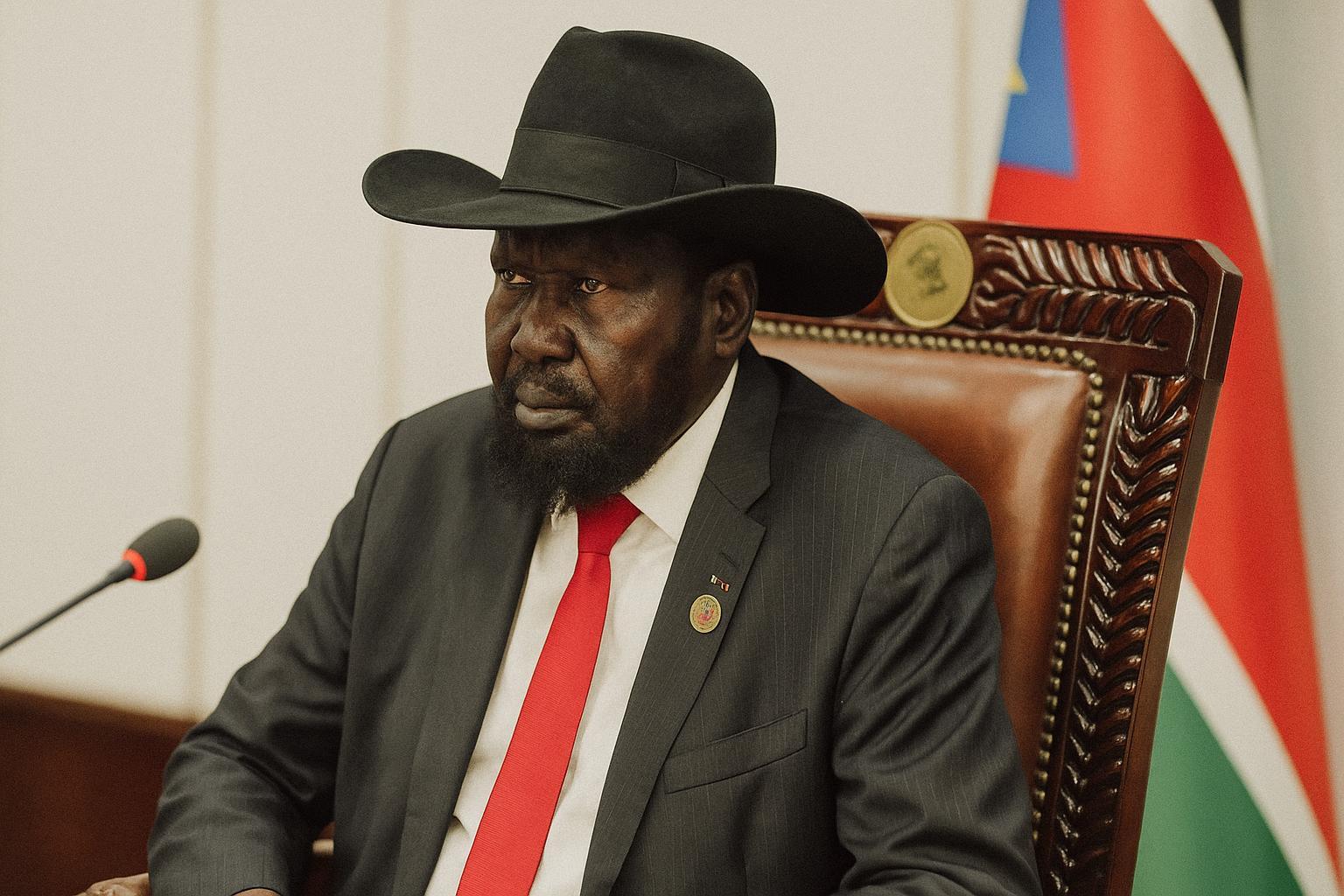
On Wednesday, President Salva Kiir gathered leaders of all registered parties in Juba. The closed-door session produced a unanimous agreement to defer the national census and permanent constitution process until after the scheduled December 2026 elections.
According to the presidential press office, the move aligns with the Revitalised Peace Agreement yet prioritises a timely ballot over complex technical exercises, seen as vulnerable to political dispute.
Reasons Behind the Postponement
SPLM Secretary-General Dr Akol Paul Kordit explained that repeated extensions since 2020 risked eroding public confidence. By separating elections from nationwide data collection, parties hope to deliver a clear, manageable calendar and avoid logistical bottlenecks.
Officials also cite budgetary limits and seasonal rains, which complicate field operations, as practical arguments for postponing the census until a new administration can mobilise broader resources.
New Committees to Steer Preparations
The gathering endorsed two oversight bodies. A political committee, drawn from every signatory party, will tackle unresolved peace provisions, while a legal committee led by Justice Minister Ruben Madol will craft the amendments required for credible polling.
Insiders describe the twin-track mechanism as an insurance policy, giving negotiators room to settle sensitive questions without stalling voter registration or campaign timetables.
Implications for Democratic Roadmap
Analysts in Juba argue that the compromise underscores a broader consensus: an imperfect election is preferable to no election. They caution, however, that transparency in funding and a realistic security plan remain essential for credibility.
Government spokesperson Michael Makuei maintained that the leadership is “fully committed to a peaceful and democratic transition,” adding that detailed timelines for legislative changes will be released “in due course.”
Regional Observers Weigh In
The Intergovernmental Authority on Development welcomed the resolutions, stating they could “break the cycle of missed deadlines” that has dogged the peace deal since 2018.
Diplomatic sources suggest neighbouring capitals see a successful 2026 vote as critical for trade corridors linking the Red Sea to Central Africa, noting that stability in South Sudan often ripples across the wider region.