

R-ARCSS power-sharing dispute in South Sudan
South Sudan’s National Democratic Movement (NDM), a signatory to the 2018 Revitalised Agreement on the Resolution of the Conflict in the Republic of South Sudan (R-ARCSS), says it is concerned about what it describes as a pattern of opposition positions being reassigned by the Sudan People’s Liberation Movement (SPLM).
In a statement released after a National Executive Committee meeting, the NDM framed the issue as a “material breach” of the agreement, arguing that such actions could strain the political cooperation needed for the transitional arrangement to function.
NDM lists removals of local officials in Upper Nile and Unity
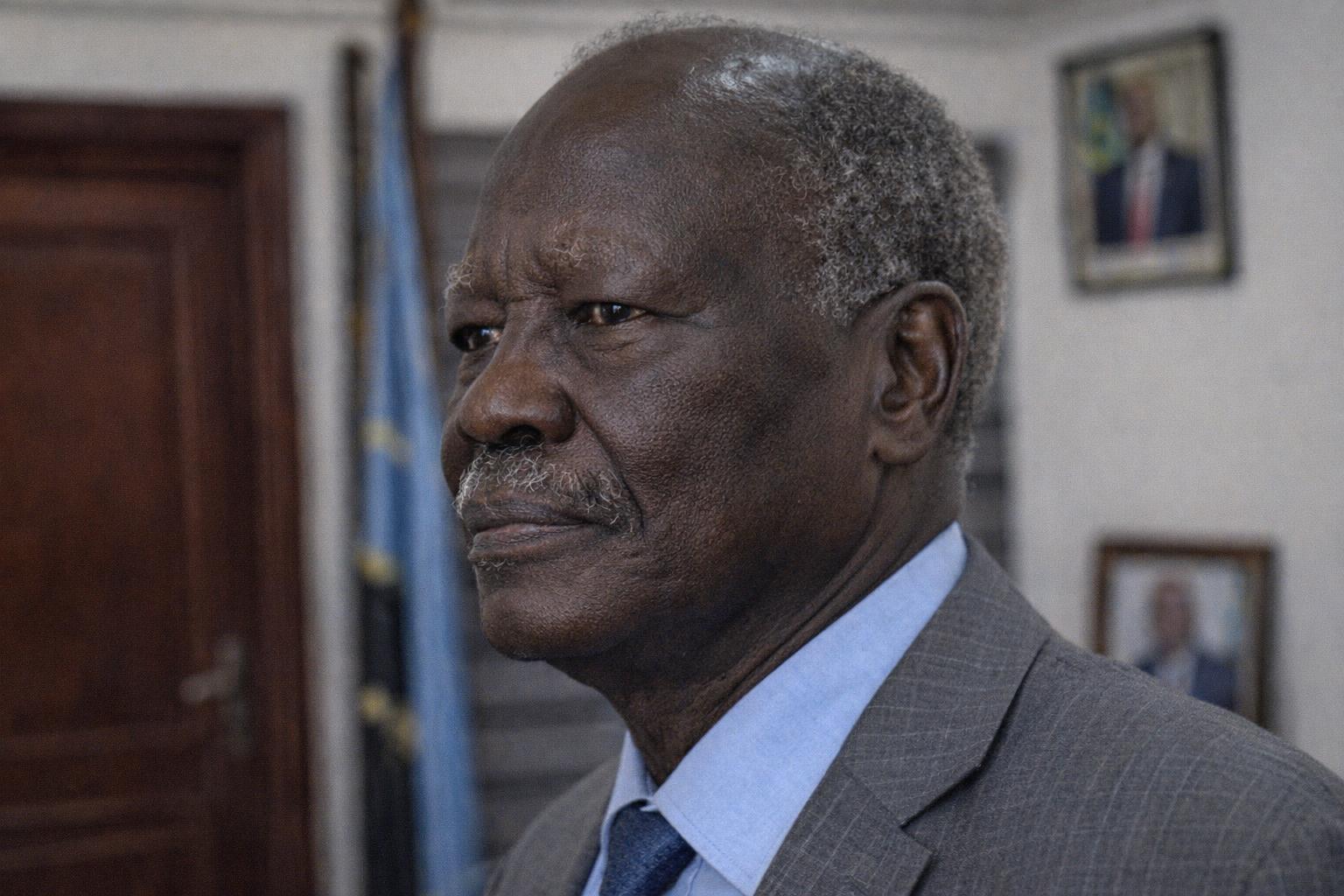
Led by veteran politician Lam Akol Ajawin, the NDM said the SPLM had removed two county commissioners appointed by the NDM in Upper Nile and Unity states. The party said one removal occurred this month and another in November, with SPLM members replacing them.
The NDM also said an advisory post on gender and social welfare, which it considers reserved for the NDM under the agreement, was filled by an SPLM member, describing the move as a unilateral departure from agreed allocations.
Jonglei governor reshuffle cited by NDM
The NDM further pointed to leadership changes in Jonglei State. It said an NDM-nominated governor was removed in February 2025 and replaced by SPLM-in-government member Riek Gai Kok.
It also referenced Mahjoub Biel Turuk, a senior NDM figure, who was dismissed as governor of Jonglei State in March 2025 by presidential decree after serving 10 months in office, presenting the episode as part of a wider pattern.
RJMEC briefs AU on unilateral actions and cabinet slots
On Friday, the Reconstituted Joint Monitoring and Evaluation Commission (RJMEC) briefed the African Union Peace and Security Council and cited unilateral actions by the ruling party, saying the removal of opposition figures from ministerial and legislative positions was eroding the power-sharing arrangement central to the deal (RJMEC briefing to the AU Peace and Security Council).
For observers, the significance of such warnings lies less in rhetoric than in the practical impact on institutions meant to reflect the agreement’s power-sharing ratios and the nominating authority of signatory parties.
NDM calls the issue a “material breach” of the peace deal
Kai Tap Gatchang, the NDM’s spokesman, said the “grabbing of positions allocated to other parties to the peace agreement by the SPLM-IG constitutes a material breach of the R-ARCSS,” which he described as a source of legitimacy for the Transitional Government of National Unity.
The NDM said its recommendations for changes to its positions within the transitional government were submitted in line with the agreement but have not received responses, in some cases for more than 43 months.
Trust in South Sudan’s unity government ahead of 2026 polls
In its statement, the NDM said the disputed actions and delays risk undermining trust and cooperation. “These actions and omissions demonstrate a clear and worrying intention to exclude the NDM from meaningful participation,” it said.
The party added it had raised the issue “at the highest levels of government” without corrective steps, stressing it was not “begging for favours” but seeking what it called “legitimate rights under the agreement.”
SSOA role and elections scheduled for December 2026
The NDM is part of the South Sudan Opposition Alliance (SSOA), one of the coalitions included in the power-sharing government formed under the 2018 peace deal that ended a five-year civil war.
Implementation of the agreement has been described as fragile and at times stalled amid political disputes and sporadic violence. General elections are scheduled for December 2026, keeping attention on how the parties manage power-sharing in the lead-up.