

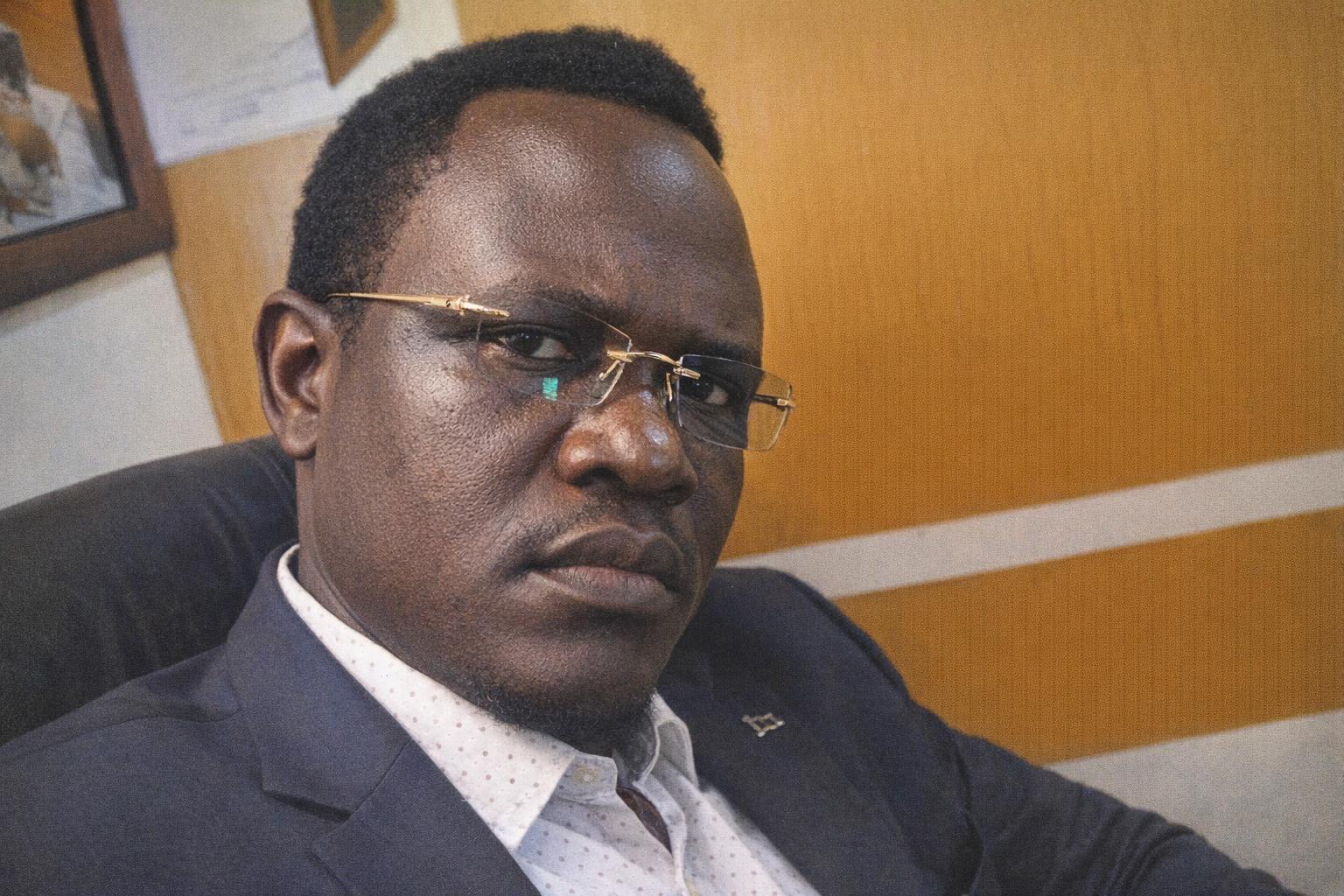
South Sudan Politics: PPP Chairman Steps Aside
Gabriel Kuot Akok, a prominent lawyer and chairman of the People’s Progressive Party (PPP), said on Monday he is suspending his political career. He framed the decision as a shift of focus toward his legal practice in what he called a restrictive political environment.
In comments to Radio Tamazuj, Gabriel Kuot Akok explained he is stepping down from party leadership rather than abandoning professional life. “Instead of quitting my career, it is better for me to quit the political party and focus on my profession,” he said.
Legal Practice and Party Roles Collide
Gabriel Kuot Akok said tensions grew between his work as a senior lawyer and his political affiliation. He argued that, in South Sudan, his legal actions were increasingly interpreted through a political lens, affecting how both allies and critics perceived his role.
“In South Sudan, things are not separated,” Gabriel Kuot Akok said. “My work as a lawyer has been taken out of context and seen as political, especially when I take notable cases against the government.” He added some people viewed him “as an opposition leader, not as a lawyer.”
Clients Fear Political Labeling, Lawyer Says
Gabriel Kuot Akok said the perception created anxiety among some clients. He claimed some worried that retaining him could bring political consequences or associate them with opposition politics, regardless of the legal merits of their cases.
“This dilemma made clients hesitant to work with me,” he said. In his account, stepping away from party leadership is meant to restore professional clarity and reduce the risks clients believe they face in a polarised environment.
Political Space and Opposition Impact in South Sudan
Gabriel Kuot Akok rejected speculation that his decision was linked to threats or personal pressure. Instead, he pointed to what he described as limited political space and unequal opportunity among parties, arguing it constrained the ability of party leaders to influence outcomes.
“When there is no political space and equality for all parties, a political party leader cannot make an impact,” he said. He described his move as timely for “career and personal growth” until, in his view, the environment is more accommodating to outspoken party leadership.
No New Party, Possible Return Later
Gabriel Kuot Akok said he is not joining another political organisation. He characterised the decision as a temporary withdrawal from party politics, and he left open the possibility of returning when he considers the timing appropriate.
“I am not willing to join any other party,” he said. “For now, I am giving myself time to focus on my career. When the right time comes, I will return to politics.”
PPP’s Future and Calls for Political Pluralism
Addressing former party colleagues, Gabriel Kuot Akok praised their commitment and said opposition politics in South Sudan can carry significant personal risk. He urged them to continue their work “as provided in the party constitution and the transitional constitution of the Republic of South Sudan.”
He also appealed for broader recognition of political pluralism, saying opposition parties can function as a “mirror” to help the ruling party meet its mandate. He said he valued four years with the PPP and hoped to reunite with colleagues in the future.
Elections in December: Parties Prepare Amid Skepticism
The People’s Progressive Party was formed in 2020 in Juba, where its headquarters are based. The party is not part of the 2018 peace pact, as it was established after the agreement was signed.
South Sudanese parties are expected to take part in elections scheduled for December. The vote faces public skepticism linked to ongoing conflict in parts of the country, limited consensus among parties, and insufficient funding for the body responsible for conducting elections, according to the report (Radio Tamazuj).