

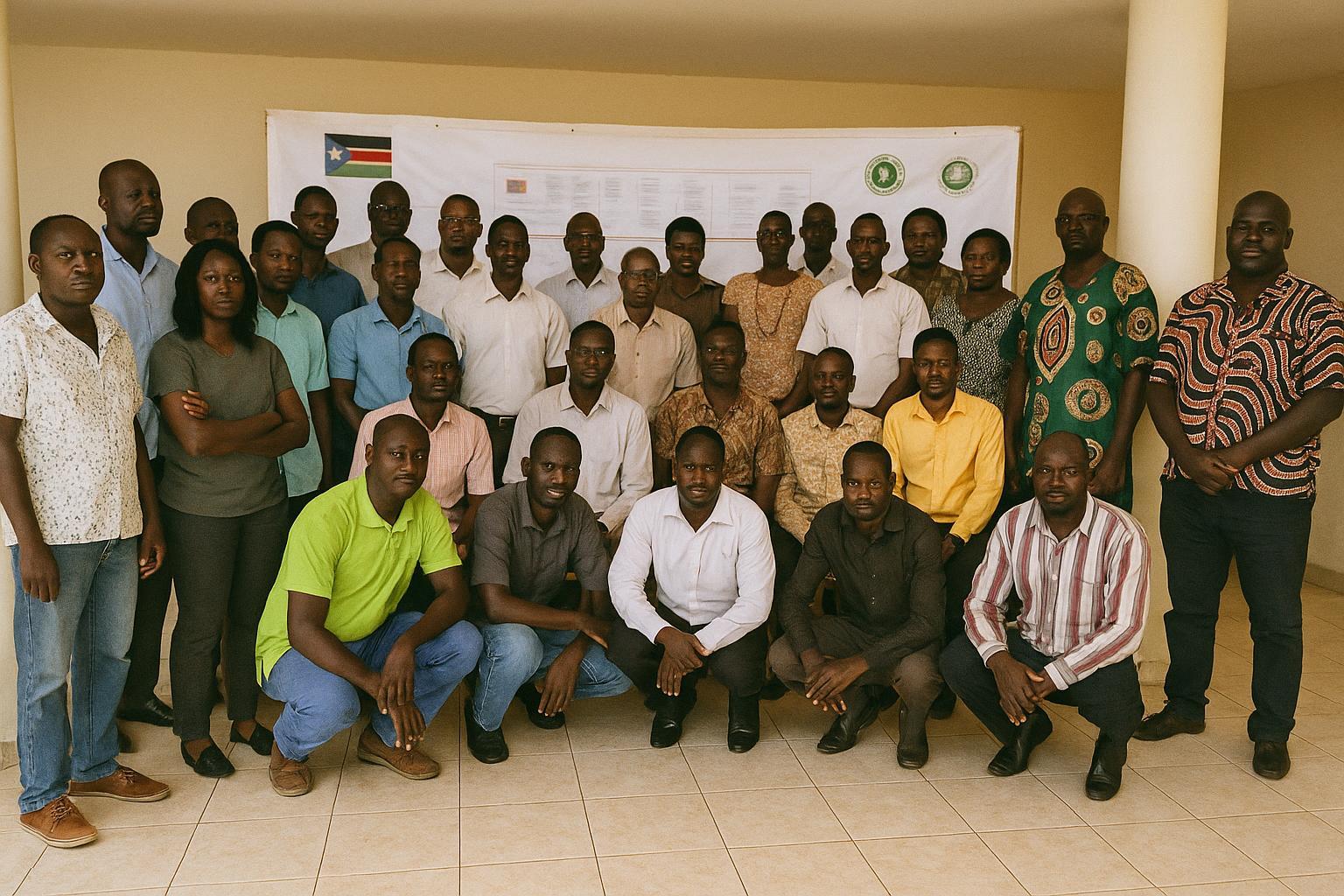
GIS Training Marks New Era for Conservation
A five-day bootcamp in Juba, run by African Parks with the Ministry of Wildlife Conservation and Tourism and the University of Juba, gave 33 officials, students and community partners their first deep dive into Geographic Information Systems.
Held from 10–14 November, the sessions blended theory with hands-on QGIS practice, allowing participants to interpret satellite imagery, trace wildlife corridors and overlay human activity around protected areas.
Officials Embrace Data-Driven Patrol Planning
Acting director Paul Peter Awol Alejok called the course a ‘game-changer’, noting that many rangers had relied on intuition. ‘Now we will deploy units based on real coordinates, not guesswork,’ he said, outlining plans for an internal GIS working group and monthly review meetings.
University Curriculum Gets Real-World Upgrade
Senior lecturer Fredrick Biga believes the bootcamp will reshape his classes. ‘Students will stop working with sample data and start analysing field measurements,’ he explained. Weekly labs and joint field trips are being drafted to cement the partnership between campus and conservation authorities.
Youth and Communities See New Opportunities
Graduate Naima Adam, 27, said manipulating satellite layers ‘made conservation feel tangible’. She intends to pass the knowledge to peers in research projects. Community advocate Marona Charles added that shared map formats will streamline dialogues on farming, deforestation and settlement pressures near reserves.
Building Lasting National GIS Capacity
Lead trainer Diliga Cosmas praised the group’s progress from basic computer skills to complex spatial analysis. He argued that robust national GIS abilities will underpin long-term habitat monitoring and economic planning, positioning South Sudanese professionals to champion wildlife protection for generations.
Next Steps After the Bootcamp
Participants closed the week by agreeing on mentorship chains and quarterly refresher workshops. African Parks representatives indicated additional software licenses would be secured, ensuring that laptops at ranger posts and university labs keep running the tools that now map the nation’s natural heritage.