

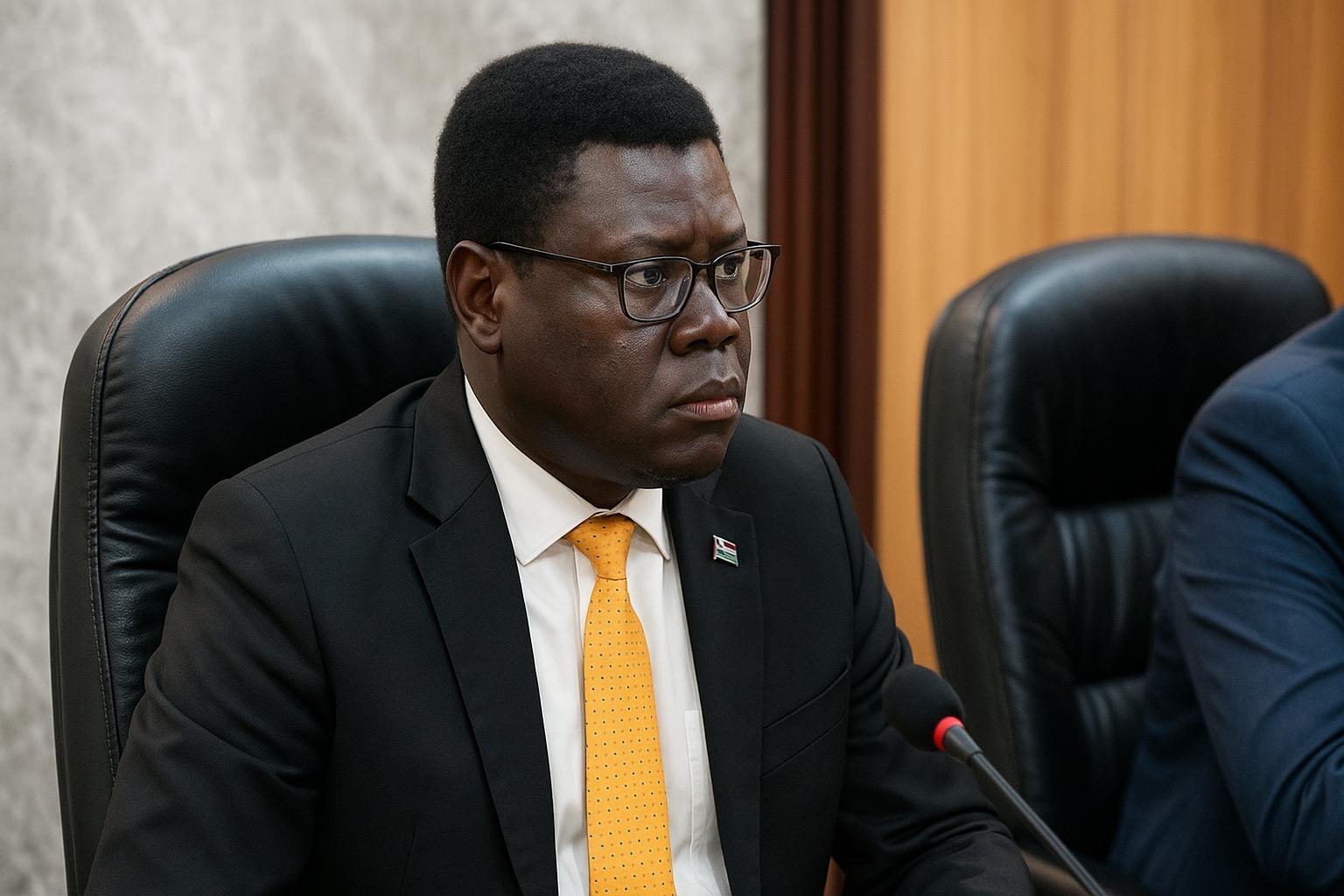
Diplomatic Call Underscores Unity
On Saturday, Foreign Ministers Abdisalam Abdi Ali of Somalia and Monday Semaya Kenneth Kumba of South Sudan held a telephone call that ended with a clear message: Juba will not recognise Somaliland and continues to respect Somalia’s sovereignty, unity and territorial integrity.
The Sudanese minister restated what his office later called an “unequivocal rejection of any acts that erode Somalia’s borders”, aligning South Sudan with the African Union stance and distancing Juba from Israel’s Boxing Day declaration.
Israel’s Boxing Day Surprise
On 26 December, Israeli Prime Minister Benjamin Netanyahu announced recognition of Somaliland as an independent state and signed a mutual declaration with President Abdirahman Mohamed Abdallah, pledging cooperation in agriculture, health, technology and security while invoking the spirit of the Abraham Accords.
Somalia and Partners Push Back
Mogadishu swiftly labelled the Israeli decision a breach of international law. Statements from the African Union and IGAD echoed the concern, warning that unilateral recognition could destabilise the Horn of Africa and erode hard-won regional security gains.
South Sudan’s endorsement of Somalia’s position adds diplomatic weight at a moment when regional consensus is being tested, analysts in Juba say, noting that President Salva Kiir’s government rarely breaks ranks with continental forums.
Why Somaliland Seeks Recognition
Somaliland declared separation from Somalia in 1991 after the fall of Siad Barre. Its leaders argue they are restoring the short-lived sovereignty achieved in June 1960 within the borders of former British Somaliland and point to decades of stability and self-governance to justify recognition.
Legal and Political Stakes
International law favours the preservation of colonial borders, a principle underscored by the AU in 1964. Observers note that any move away from that norm could embolden other breakaway regions on the continent, complicating peace and state-building initiatives.
For now, South Sudan aligns with that legal precedent. “We stand by Somalia’s territorial integrity,” a senior foreign ministry official in Juba told this magazine, adding that dialogue, not unilateral acts, should guide solutions in the Horn.
Next Moves in the Horn
Diplomats expect Somalia to lobby the UN Security Council while urging partners to refrain from formal ties with Hargeisa. Israel, meanwhile, has given no sign of reversing course, leaving room for a protracted contest of narratives across global capitals.
In this fluid environment, South Sudan’s clear voice may help shape collective African diplomacy, reinforcing continental norms while signalling that the young nation seeks stability above all else in its neighbourhood.