

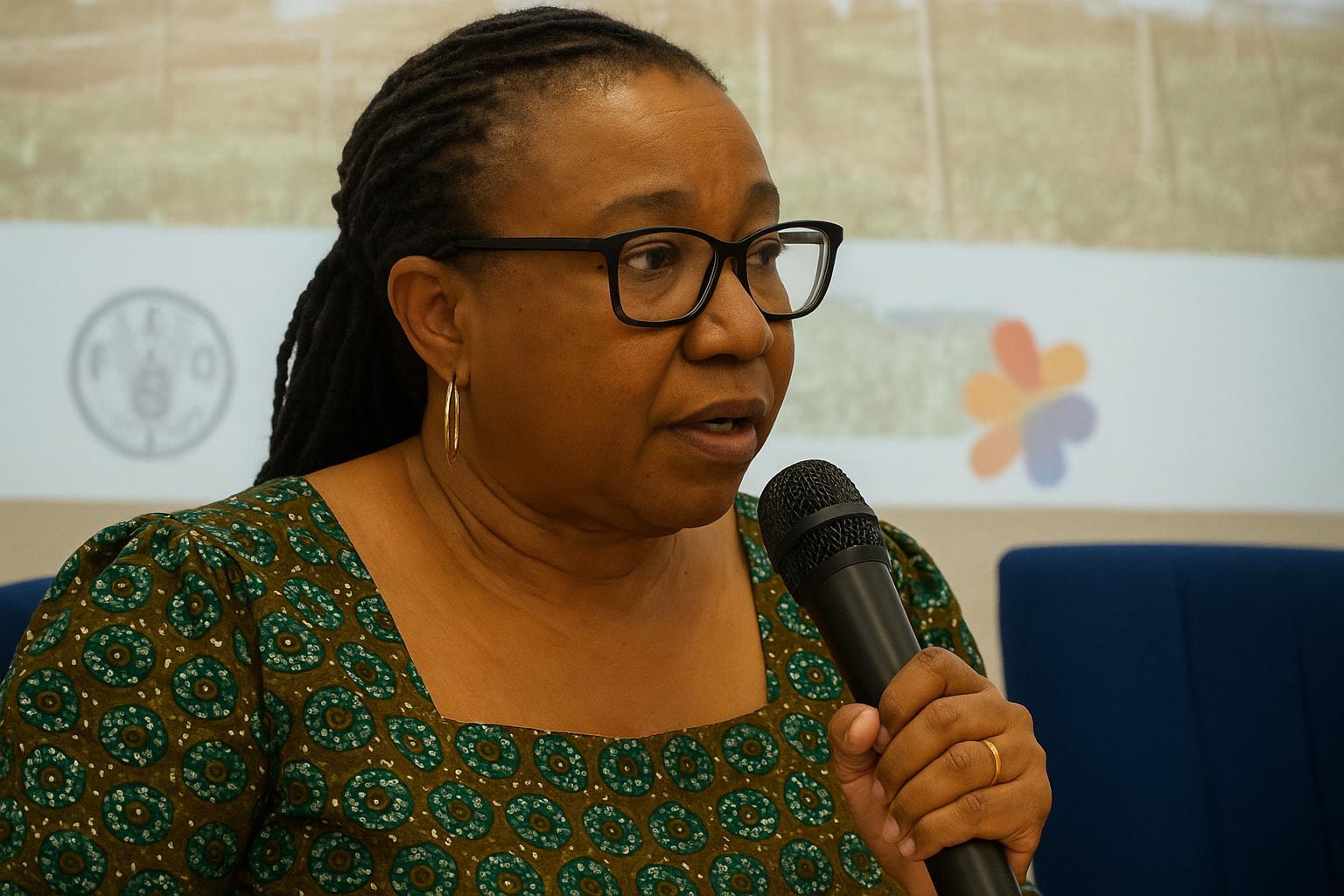
Women mediators spotlight
On Human Rights Day, UN Women highlighted 21 South Sudanese women leading mediation and negotiation, underscoring their central role in advancing the Women, Peace and Security agenda and shaping an inclusive national dialogue (UN Women press release).
Training equips negotiators
Through partnership with Community Empowerment for Progress Organization and several women’s groups, the 21 mediators received tailored coaching in mediation techniques, negotiation strategy, and conflict-sensitive communication, preparing them to convene diverse stakeholders at a delicate moment in the political transition.
Early gains in dialogue
The mediators quickly facilitated five inter-party dialogues, easing tensions among signatories to the 2018 Revitalized Peace Agreement (CEPO). Bilateral meetings, once stalled, have restarted, and parties now draft a joint roadmap for high-level talks scheduled for 15-19 December 2025.
Voices from the field
“Peace is vital to safeguard rights and improve lives,” affirmed mediator Lidia Ruben, drawing on her protection background to illustrate how social stability underpins humanitarian progress.
CEPO director Edmund Yakani hailed the women’s approach as “a powerful demonstration of collective problem-solving,” noting that inclusive dialogue reduces mistrust and encourages compromise among political rivals.
Regional perspective and support
Historical precedents in Liberia and Sierra Leone show that female mediators enhance the durability of peace settlements; donors such as Norway, the European Union, and the United Kingdom support similar outcomes in South Sudan by financing gender-responsive initiatives.
UN Women country representative Delphine Serumaga stresses that “peace is possible when women are at the table,” asserting that the 21 mediators are building trust bridges essential for a just and inclusive South Sudan.
Next steps toward lasting peace
Observers will watch December’s high-level dialogue closely; if consensus emerges, the women mediators’ framework could become a model for future governance reforms, electoral planning, and community reconciliation across the world’s newest nation.