

December 2026 Elections as a National Milestone
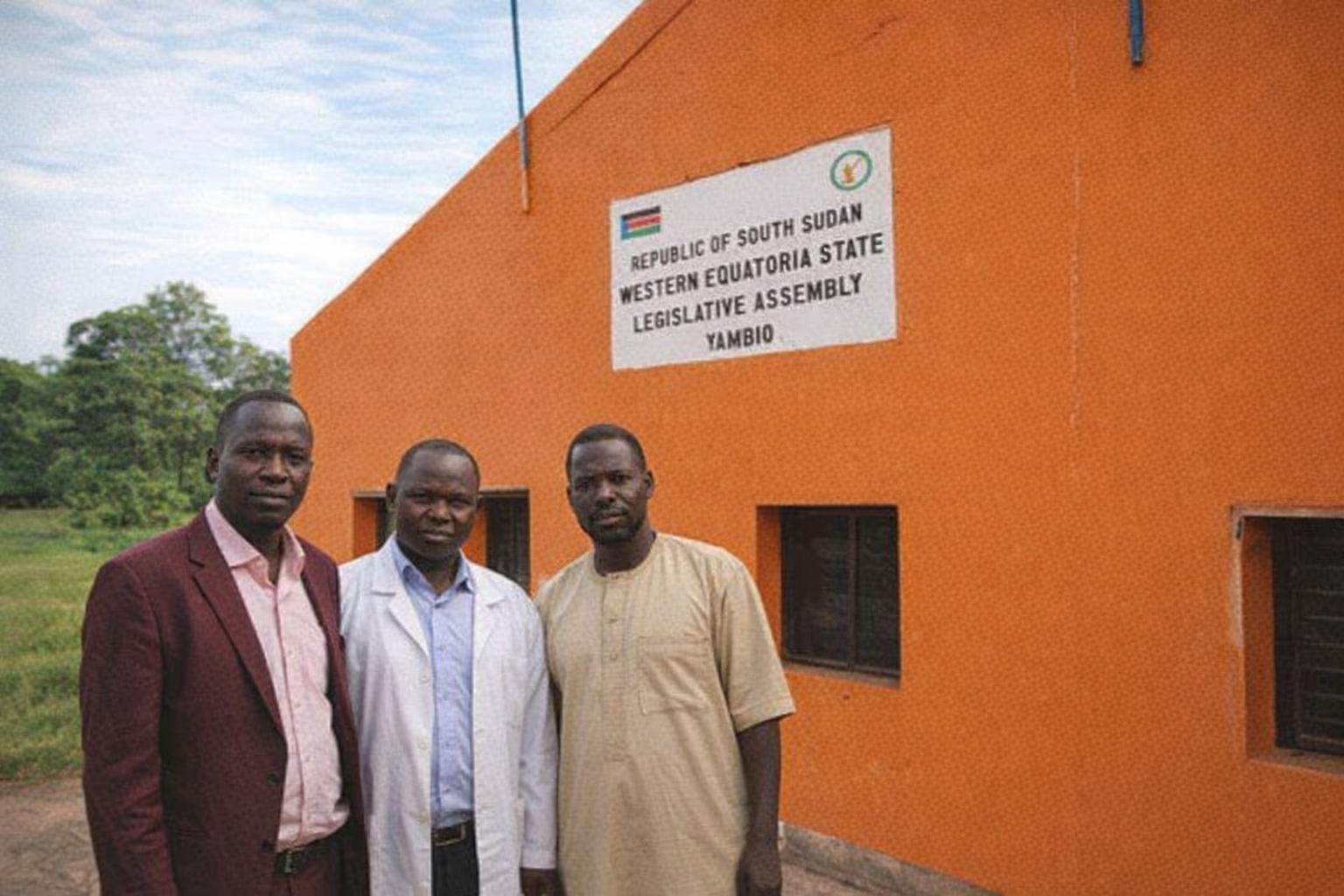
Legislators and civil society leaders in Western Equatoria state broadly agree that South Sudan’s planned December 2026 elections matter, even as they debate the conditions needed for a credible vote.
If held, the elections would mark a major national moment for the country, which has not organised a national vote since independence in 2011, according to officials interviewed by Radio Tamazuj.
State Lawmakers Weigh Rights and Governance
In interviews with Radio Tamazuj on Thursday, members of the state assembly described elections as a core democratic right, while also framing the vote as a route to better governance.
Martin Ngoromu, an SPLM representative for Maridi County, argued that elections enable citizens to choose leaders directly. “The people of South Sudan deserve the right to choose their own leaders. Appointments do not reflect the true will of the citizens,” Martin Ngoromu said (Radio Tamazuj).
Julia John, an SSOA representative for Tambura County, connected the ballot to social change and the treatment of key groups. “If elections are conducted, there will be change. Youth, women, and civil servants will have their rights respected,” Julia John said, referring to unpaid salaries and basic rights concerns (Radio Tamazuj).
Census Dispute Shapes the Credibility Debate
A central disagreement is whether a national population census must come before election preparations can be considered credible.
Martin Daskoko Dumbata, an SPLM-IO representative, described a census as non-negotiable for planning and registration. “Without a census, elections cannot be properly conducted,” Martin Daskoko Dumbata told Radio Tamazuj, arguing that reliable data is essential (Radio Tamazuj).
Civil Society Pushes Funding and Accountability
Civil society figures in Western Equatoria presented a more unified message, calling for urgent national action to make the vote workable and credible.
Joseph Ndani, Deputy Secretary-General of Civil Society in Western Equatoria State, said elections can reinforce accountability in government. “Elections will bring a working government where leaders are answerable to the people,” Joseph Ndani said (Radio Tamazuj).
Wanga Emmanuel, Chairperson of Civil Society in the state, emphasised financing as a test of political will. “Civil society in Western Equatoria stands united in calling for timely, credible, and fully funded elections,” Wanga Emmanuel said, urging the government to fund the National Elections Commission (Radio Tamazuj).
2018 Peace Agreement Amendments and Political Reactions
The debate unfolds as the presidency and cabinet approved amendments to key provisions of the 2018 peace agreement last month, according to Radio Tamazuj.
The changes reportedly separated the December 2026 general elections from the permanent constitution-making process, a political census, and other institutional reforms. The amendments also removed provisions stating the 2018 peace deal takes precedence over the constitution (Radio Tamazuj).
Radio Tamazuj also reported that the peace agreement has faced repeated delays, including missed election timelines, and that elections have been postponed several times before being scheduled for December 2026. The outlet cited objections from Machar loyalists, who said presidency-led consultations excluded them (Radio Tamazuj).
What Western Equatoria’s Divide Signals for 2026
Across Western Equatoria, the interviews suggest a shared belief that elections can strengthen representation and accountability, but a contested roadmap on sequencing, data requirements, and resourcing.
With December 2026 on the calendar, the dispute over prerequisites such as a census and commission funding appears set to shape both public expectations and political negotiations in the run-up to the vote, as described by Radio Tamazuj.