

Fragile Ground Routes
Non-developed infrastructure shapes every journey across South Sudan. Heavy rains swamp feeder roads, while dry-season dust erodes what little tarmac exists. With aviation skills and facilities also sparse, moving staff or medicines by land or commercial carrier regularly shifts from difficult to impossible.
UNHAS: A Critical Air Bridge
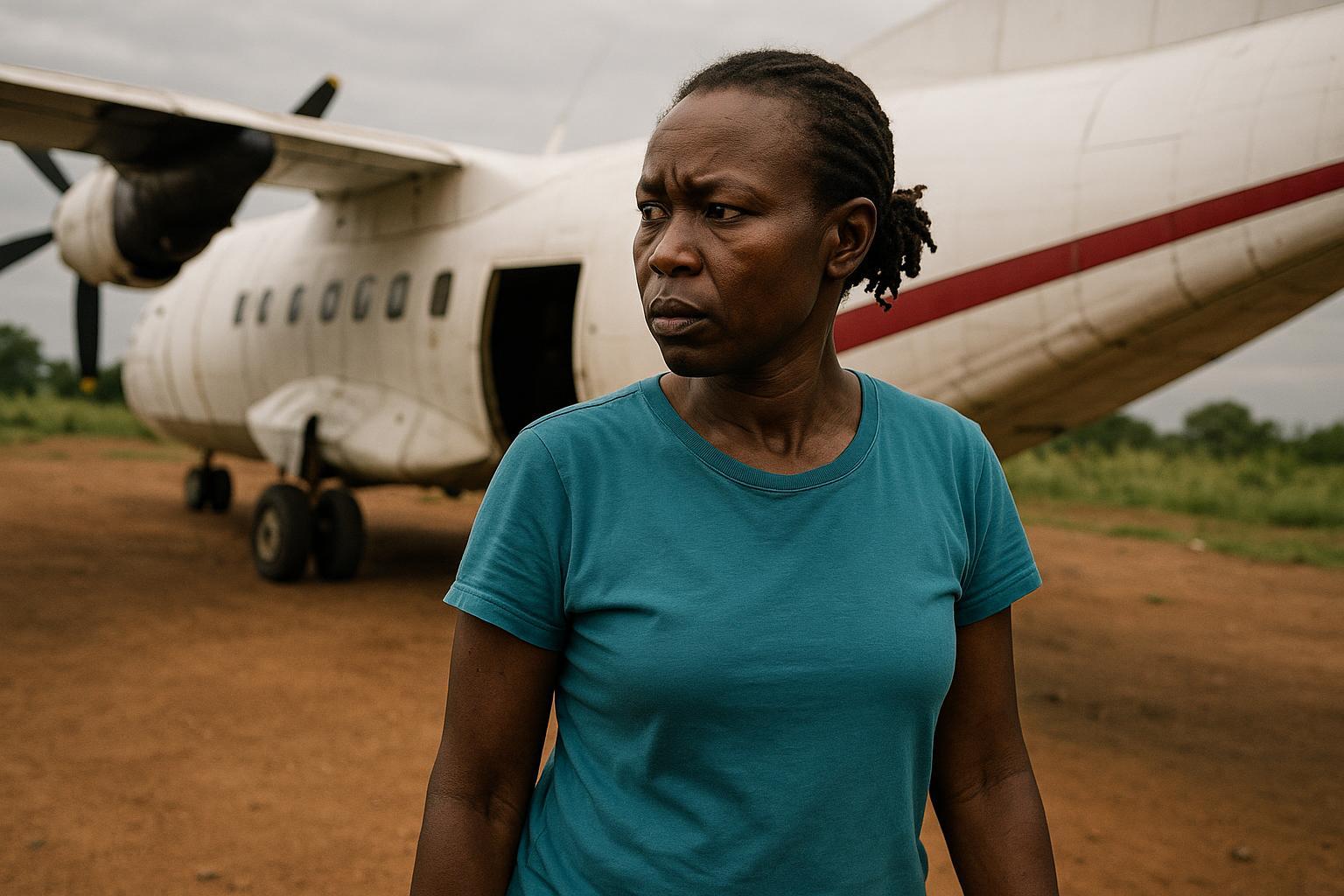
Against this backdrop, the United Nations Humanitarian Air Service remains the only common, reliable lift for relief agencies. Its aircraft shuttle personnel and life-saving cargo from Juba and other hubs to deep-field strips unreachable by scheduled airlines.
Field coordinators describe the flights as a ‘sky lifeline’ that compresses multi-day overland treks into minutes. In emergencies, those minutes spell the difference between isolated need and timely assistance.
From 2004 Roots to 2011 Independence
UNHAS first positioned aircraft across then-united Sudan in 2004. Independence in 2011 saw operations concentrate inside the newborn Republic, under guidance of a multilateral Steering Committee. Juba became the primary base, complemented by several regional hubs.
Sustaining Lift to Remote Communities
Continuing seasonal floods, soft ground and limited funding keep the aviation bridge under constant pressure. Yet stakeholders note that without it, large sections of the country would slip beyond humanitarian reach for months each year.
The latest strategic document lays out a practical trajectory: maintain core routes, refine safety, and expand partnerships with local authorities as capacity allows. In a landscape where groundwork falters, the strategy argues, dependable skies will remain indispensable.