

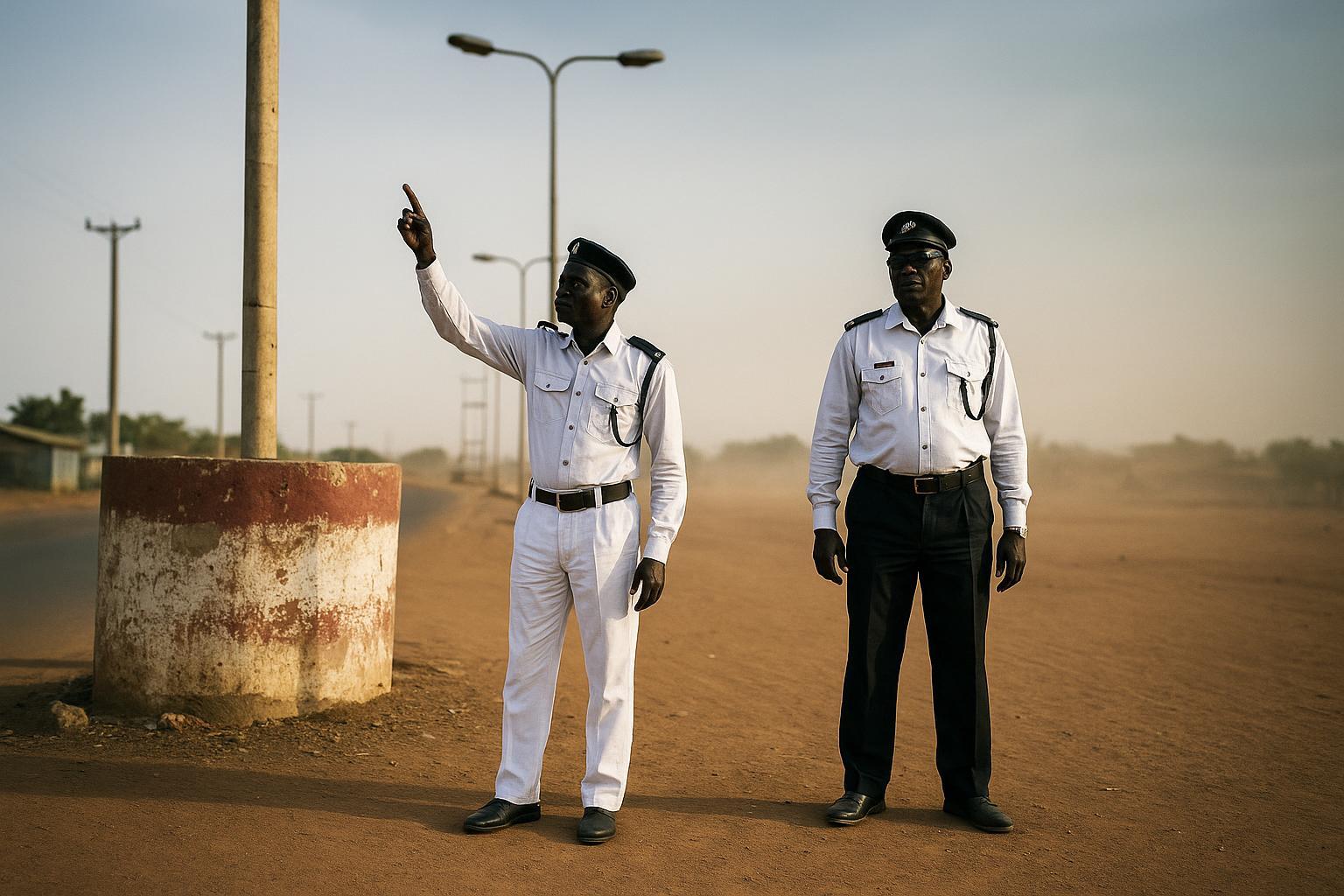
Mounting Complaints Over Road Charges
Across Juba and regional hubs, drivers report paying up to 500,000 South Sudanese pounds for routine licensing, far above the 46,000 pounds ceiling spelled out in the Financial Act 2024-2025. Some vehicle inspections have allegedly approached the one-million-pound mark, fueling public outrage.
Legal Provisions Under Spotlight
Parliamentary Security Committee chair Samuel Loti told Eye Radio’s Around South Sudan podcast that the law is unambiguous. Private, public, commercial and investment vehicles all attract a single 70,000-pound registration and licensing fee, he stressed.
For a standard driving licence, the statute pegs the payment at 46,000 pounds. Loti expressed bewilderment that some citizens ‘part away with two hundred and fifty thousand, even half a million,’ a discrepancy he says can stand up in court.
Parliament Steps In
Loti’s committee intends to summon the Interior Minister, the Inspector-General of Police and the Traffic Director to explain the alleged departures from the tariff schedule. Lawmakers argue that transparent answers are essential for restoring public confidence in state revenue collection.
The body also acknowledged that the prevailing Traffic Act dates to 2003, an era of markedly different economic realities. A draft amendment has been completed and will move to the Council of Ministers before public hearings in Parliament.
Calls for Reform and Public Awareness
Until the legislative overhaul materialises, motorists are urged to resist intimidation and cite the Financial Act when fees exceed legal thresholds. ‘The law will be on your side,’ Loti assured, encouraging aggrieved drivers to seek redress through the courts.
Civil-society groups have begun sharing simplified fee charts on social media platforms popular with under-35s. Advocates believe accurate information can curb exploitation while lawmakers pursue longer-term fixes to South Sudan’s traffic revenue framework.