

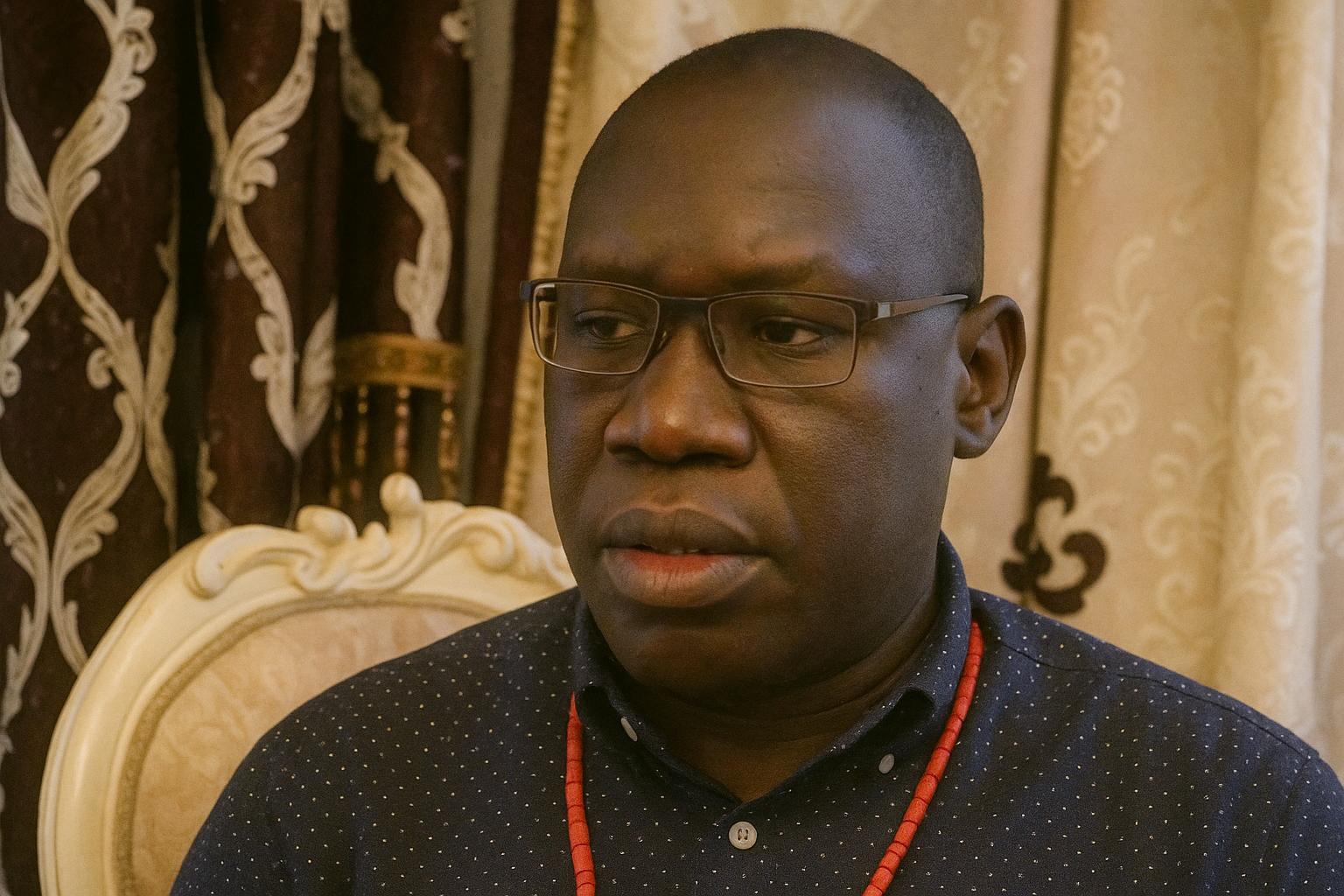
Arrest Details in Juba
Michael Christopher, editor of Arabic daily Al-Watan, is currently held inside a National Security Service compound by the Nile in Juba, according to a family envoy. Authorities seized him on Wednesday evening, but no official charge sheet has reached relatives.
Relatives said they still did not know where the arrest took place, only that he had spent the day at home before disappearing (family representative).
Legal and Constitutional Context
Civil society lawyers argue that the operation conflicts with articles 24 and 25 of the transitional constitution, which guarantee free expression and press independence.
Activist Ter Manyang Gatwech reminded officials that South Sudan will undergo a Universal Periodic Review in 2026, noting that ‘violations are increasing day by day’ (Gatwech).
Past Encounters with Security Services
This is not Christopher’s first clash with law enforcement. Police detained him in May 2016 after he reported on a senior general; he walked free without charge.
In July 2019 NSS officers stopped him at Juba International Airport, confiscated his passport and kept him for 39 days, prompting condemnation from international rights groups.
Blurring Lines Between Reporting and Advocacy
Observers suggest recent livestreams on his Facebook page, where he dissects political reshuffles, might have attracted official attention.
He publicly cheered the ouster of Dr Benjamin Bol Mel and urged removal of other senior figures, actions critics interpret as activism more than journalism.
Implications for Media Freedom
The NSS enjoys broad statutory powers to arrest without warrant, yet analysts say each unclarified detention deepens uncertainty for reporters working in the fragile media ecosystem.
Negotiations now hinge on swift access to counsel and transparent due process, with families and colleagues hoping dialogue prevails over prolonged silence.
A senior editor in Juba noted, ‘Every arrest chills an entire newsroom; clarity, not confrontation, will strengthen both national security and public trust’.