

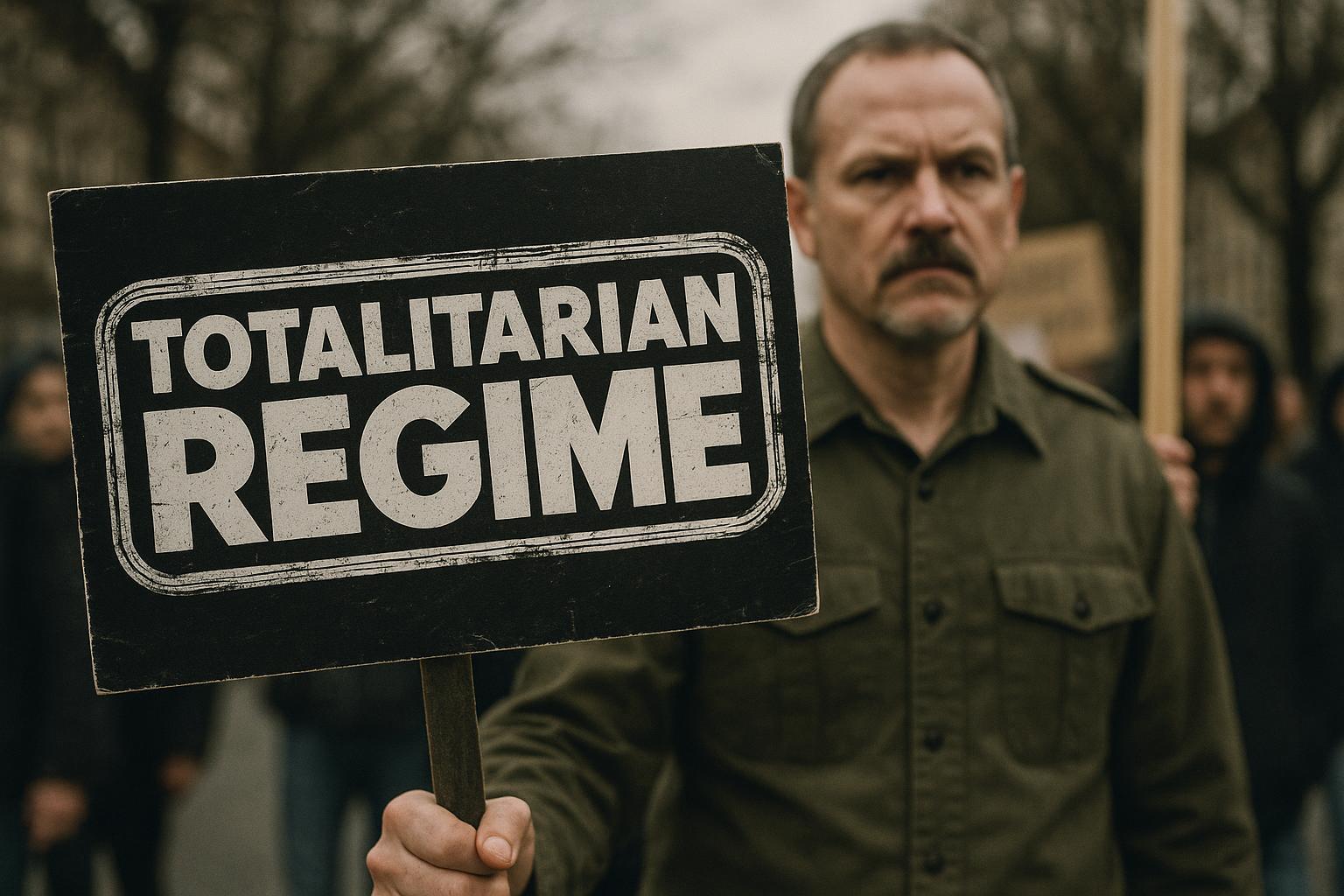
Emerging Pattern of Political Anxiety
South Sudan, a nation born of high hopes in 2011, now navigates an atmosphere thick with alleged plots and whispered coups. Observers note an increasing tendency to portray critics as security threats, a trend that risks hollowing the promise of independence.
Reports from civil society groups indicate detentions of politicians, journalists, and officers without formal charges. Lawyers complain of limited access to clients held in intelligence sites, while families await news, unsure whether loved ones will face courtrooms or indefinite silence.
Echoes of Khartoum Tactics
Veteran lawyer Abel Alier once challenged sham trials in Khartoum during the 1990s, when southern clerics such as Father Hilary Boma were falsely accused of terrorism. Analysts draw parallels, warning that fabricated threats can serve to distract citizens and sideline rivals.
Rumoured Coups and Reality Check
Military experts argue that the South Sudan People’s Defence Forces, fragmented by years of conflict, lack the cohesion, logistics, and ideological glue required for a nationwide takeover. Rumours of coups, they contend, often crumble under scrutiny yet continue to generate fear.
Humanitarian Toll of Political Distractions
While energy circles around political intrigue, unprecedented floods sweep through villages, erasing harvests and grazing lands. The South Sudanese Pound’s steep fall has stripped salaries of value, leaving civil servants to queue for maize they can barely afford.
Hospitals struggle without medicine, teachers abandon unpaid classrooms, and children drift to streets where hunger meets exploitation. Aid agencies warn that prolonged focus on elite disputes could tip already fragile communities into humanitarian free-fall.
Legal Framework and Breaches
Such detentions contravene the Transitional Constitution, the Revitalized Peace Agreement, and conventions ratified in Addis Ababa and Geneva. Human-rights advocates argue that upholding due process is not merely legal housekeeping; it underpins the social contract forged after decades of war.
Diplomatic Voices Urge Action
Diplomats in Juba quietly encourage authorities to release detainees or charge them before independent courts. “Transparency reinforces stability,” one regional envoy told this magazine, adding that credible justice could help redirect public attention toward rebuilding roads, dykes, and clinics.
Observers underline that the 2024 electoral timetable demands a political climate free from fear. Reconciling security concerns with constitutional guarantees, they say, is pivotal if South Sudan is to enter the polls united rather than fragmented.
Choosing the Nation’s Future
Whether leaders prioritise rumours or reforms will shape the nation’s legacy. A pivot toward justice and service delivery could transform whispered threats into mere footnotes, allowing citizens to focus on planting, studying, and healing under a flag born from sacrifice.