

Unmet Development Drives Insecurity
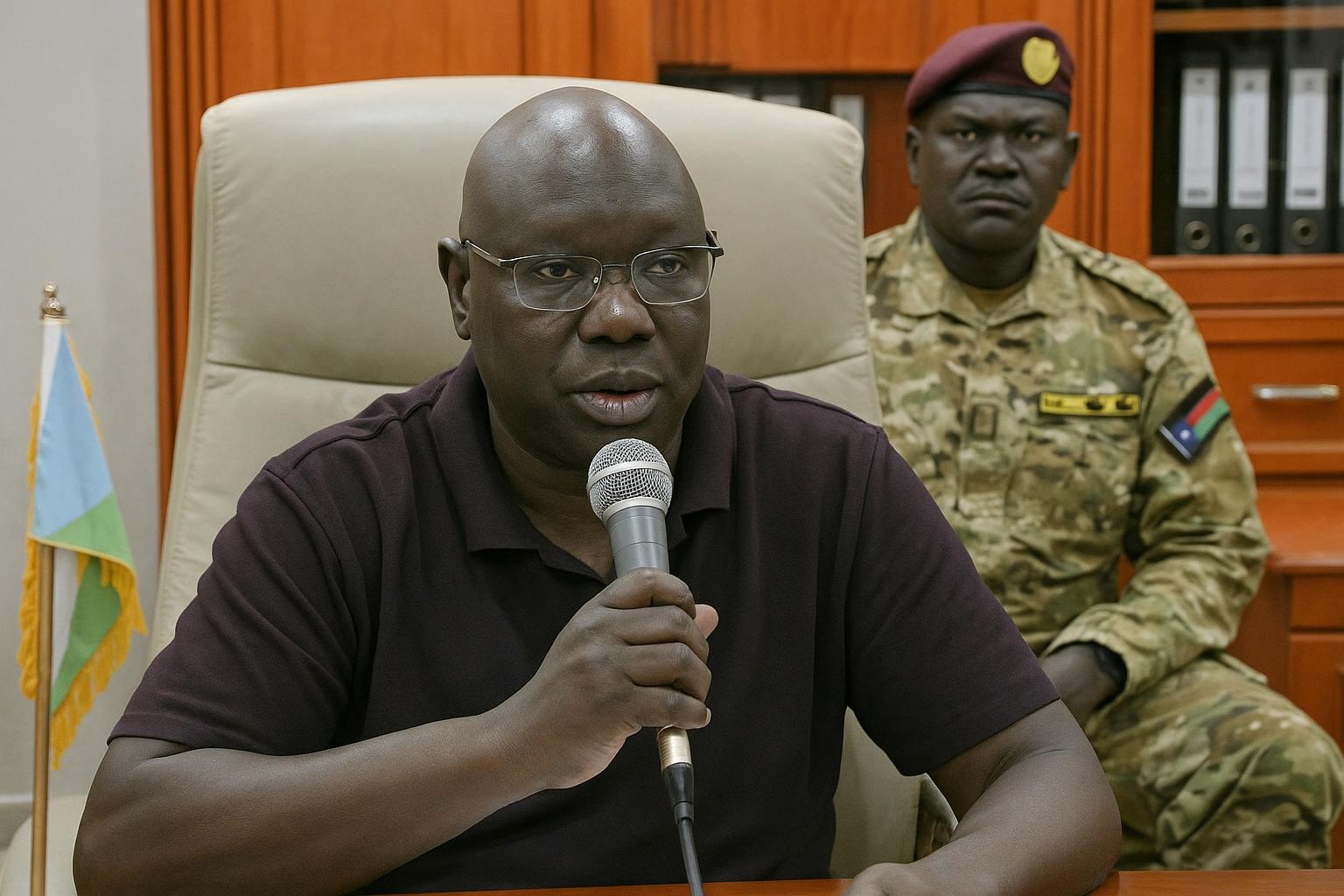
Scarce basic services and stalled development are fuelling renewed violence across Warrap State, Governor Bol Wek Agoth told an audience in Kuajok after returning from medical treatment abroad.
He argued that communities who sacrificed livestock and labour during South Sudan’s liberation now clash over the very resources they expected to gain, deepening mistrust between clans.
Communities Fight Over Vanishing Resources
Tensions between Luanyjang and Anei-Atak, once described as peaceful neighbours, have erupted as water points, grazing land and trade routes grow scarce.
“Our people fought a just war,” the governor said. “They offered bulls and everything at their disposal. Political actors are now inflaming even simple feuds.”
State of Emergency Yields First Results
Warrap remains under a state of emergency declared earlier this year. Security forces report seizing more than 500 firearms from armed youths, a development Wek called “a great credit to officials on duty”.
He insists relative calm is attainable if orders restricting movement and disarming militias are fully enforced, particularly in the volatile Greater Tonj counties.
Political Undertones Complicate Reconciliation
Local analysts say revenge killings, competition for administrative posts and interference by national-level figures have complicated mediation efforts.
Wek acknowledged the critique but maintained that developmental deficits remain the root. Schools, clinics and roads, he noted, are unevenly distributed despite high wartime contributions from rural areas.
Leadership Vows Accountability
The governor warned commissioners who ignore directives that they “will be shown the exit.” He pledged to collaborate only with officials actively pursuing gunmen and promoting dialogue.
Observers note that Warrap hosts President Salva Kiir’s home constituency, adding national weight to local unrest. Pressure is mounting on state authorities to translate recent disarmament gains into sustainable peace.
For many residents, tangible development—safe boreholes, functioning markets, passable roads—remains the ultimate litmus test for any security initiative.