

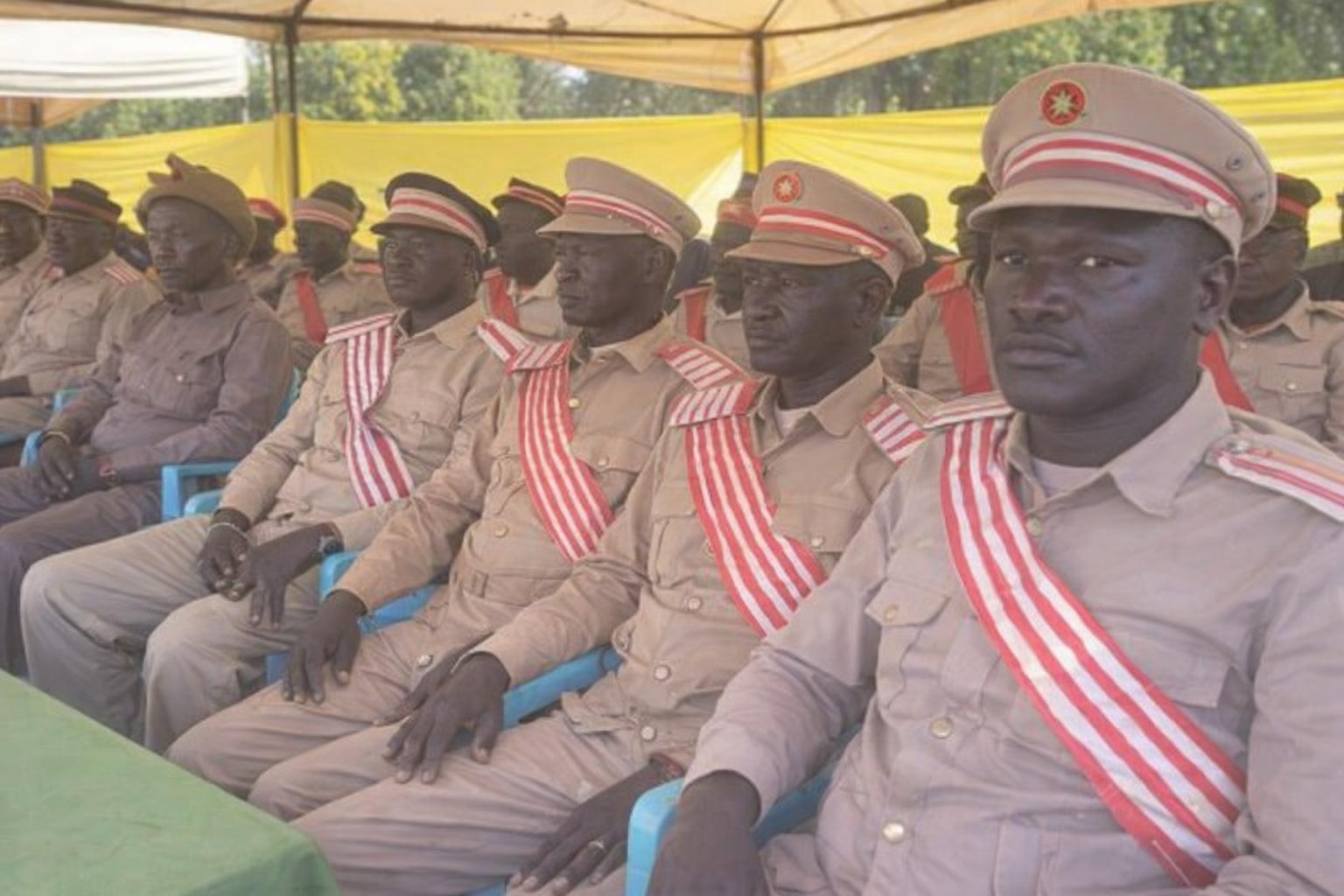
Gathering of Hope in Rumbek
Agar community leaders opened a five-day conference in Rumbek on Monday, convening chiefs, politicians, academics and activists determined to reverse years of inter-communal bloodshed in South Sudan’s Lakes State. The gathering, expected to conclude on Friday, hopes to draft actionable proposals for reconciliation.
Hundreds of participants travelled from cattle camps, universities and the diaspora, underscoring the urgency felt across generations of the Agar people. Observers in Juba describe the turnout as the largest civil-society mobilisation in Lakes State since 2021.
Guns and Grievances
Governor Rin Tueny Mabor opened discussions by linking most recent deaths to the widespread presence of firearms among civilians. “Gun violence has caused a lot of destruction,” he lamented, recalling that Agar clans once solved disputes without bloodshed.
Mabor credited improved security since 2021 to local vigilance rather than decree, arguing that community ownership is essential for peace. He encouraged delegates to probe every grievance, from land rows to youth rivalries, before drafting recommendations.
Youth at the Helm of Change
The Rumbek Youth Union, led by Charles Benykok, initiated the gathering after months of consultations with village elders and government officials. Benykok urged peers to trace root causes behind raids, revenge attacks and unemployment.
Deputy community chair Monica Ayen Maguat praised educated youths for bridging divides between urban centres and remote cattle camps. “What is wrong with using knowledge to heal our wounds?” she asked, drawing applause.
Diaspora’s Digital Handshake
Many delegates flew in from Nairobi, Kampala and Khartoum, while others contributed funds and research papers online. Diaspora leader Daniel Deng Monydit said their involvement proves that distance no longer limits civic duty.
Social-media groups livestreamed the opening session, allowing schoolteachers in Australia and traders in Kakuma to follow debates in real time. Analysts argue such digital bridges could help sustain dialogue after Friday.
Culture, Cattle and Conflict
Civil society activist Angelina Adhel Malual encouraged frank discussion on cattle raiding, bride wealth inflation and so-called ‘hate songs’ that inflame rivalries. She argued that disarming youths without addressing these norms would only postpone violence.
Delegates from pastoralist belts admitted that livestock remain both livelihood and identity, yet agreed that traditional arbitration mechanisms need updating. Several proposed rotational grazing corridors to reduce competition for water.
Eyes on Friday’s Communiqué
Working groups are expected to present a communiqué on Friday outlining timelines for voluntary civilian disarmament, youth employment schemes and trauma-healing workshops. Stakeholders hope clear benchmarks will attract donor support and encourage faith leaders to monitor compliance.