

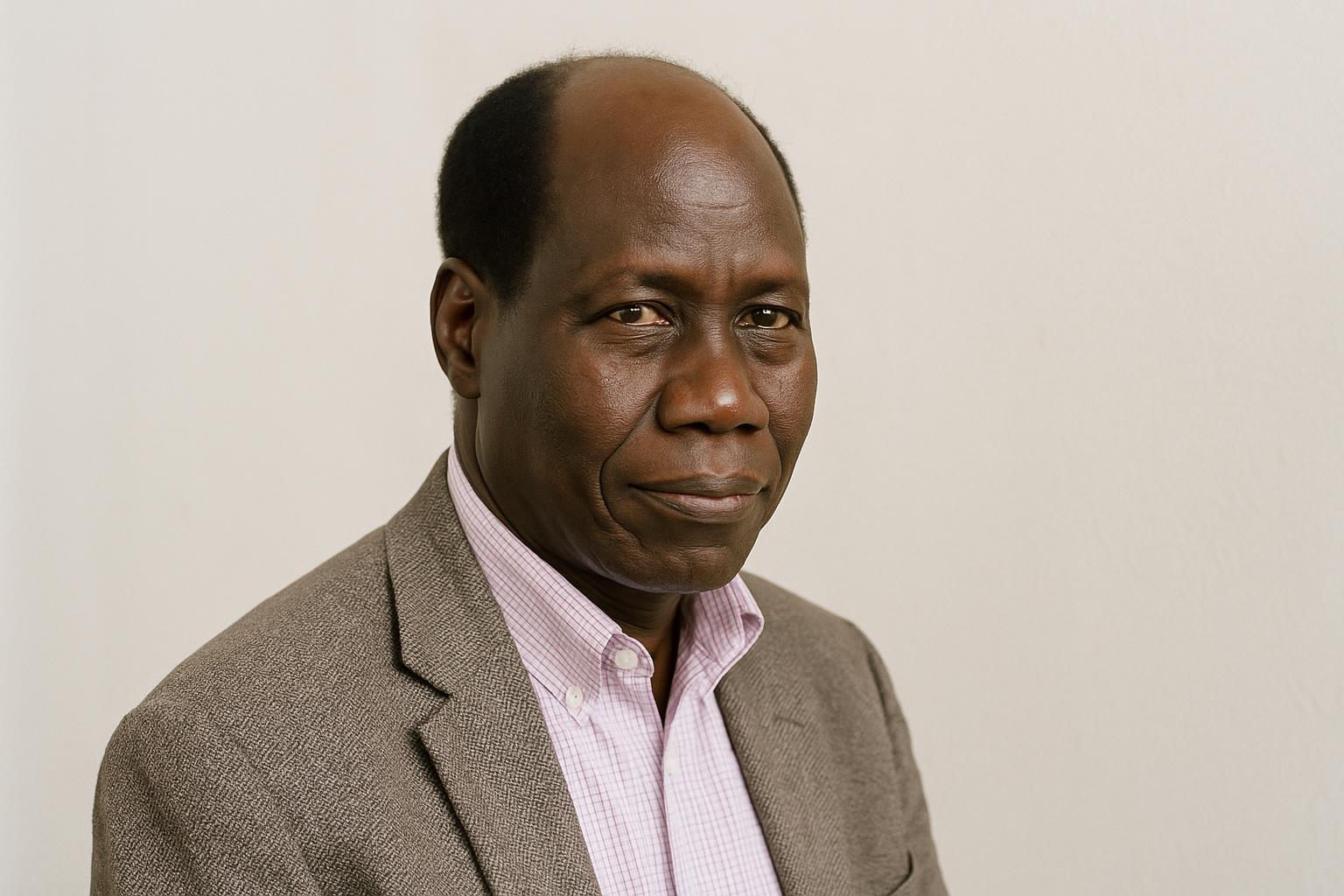
A Scholar’s Unexpected Decision
In a move that surprised many in Juba, renowned academic Professor John Akec announced his withdrawal from consideration for any ministerial post in South Sudan.
Writing on his Facebook page, the former University of Juba vice-chancellor said public office has degenerated into a ‘family fortune’, overshadowing merit and patriotic service.
Rising Debate on Nepotism
Akec’s critique echoes long-standing frustrations among citizens who link political appointments to lineage rather than competence, an issue analysts say impedes institutional growth.
Political scientists at the University of Juba argue that such practices risk alienating qualified youth and may weaken confidence in transitional structures forged after the 2018 peace deal.
Youth and Civil Society Reactions
Within hours, Akec’s post trended across South Sudanese platforms, drawing praise from young professionals who see his stand as a rare act of principle.
Civil society advocate Rita Loduru said the statement ‘validates what grassroots activists have documented for years’ while urging authorities to open recruitment processes to public scrutiny.
The Professor’s Vision Forward
Although stepping back, Akec reiterated commitment to teaching and research, hinting that academia can still mould policy indirectly through evidence and debate.
He ended his message with cautious optimism, writing that future generations ‘will fix it’—a sentiment that keeps the conversation alive about reforming governance without abandoning hope.