

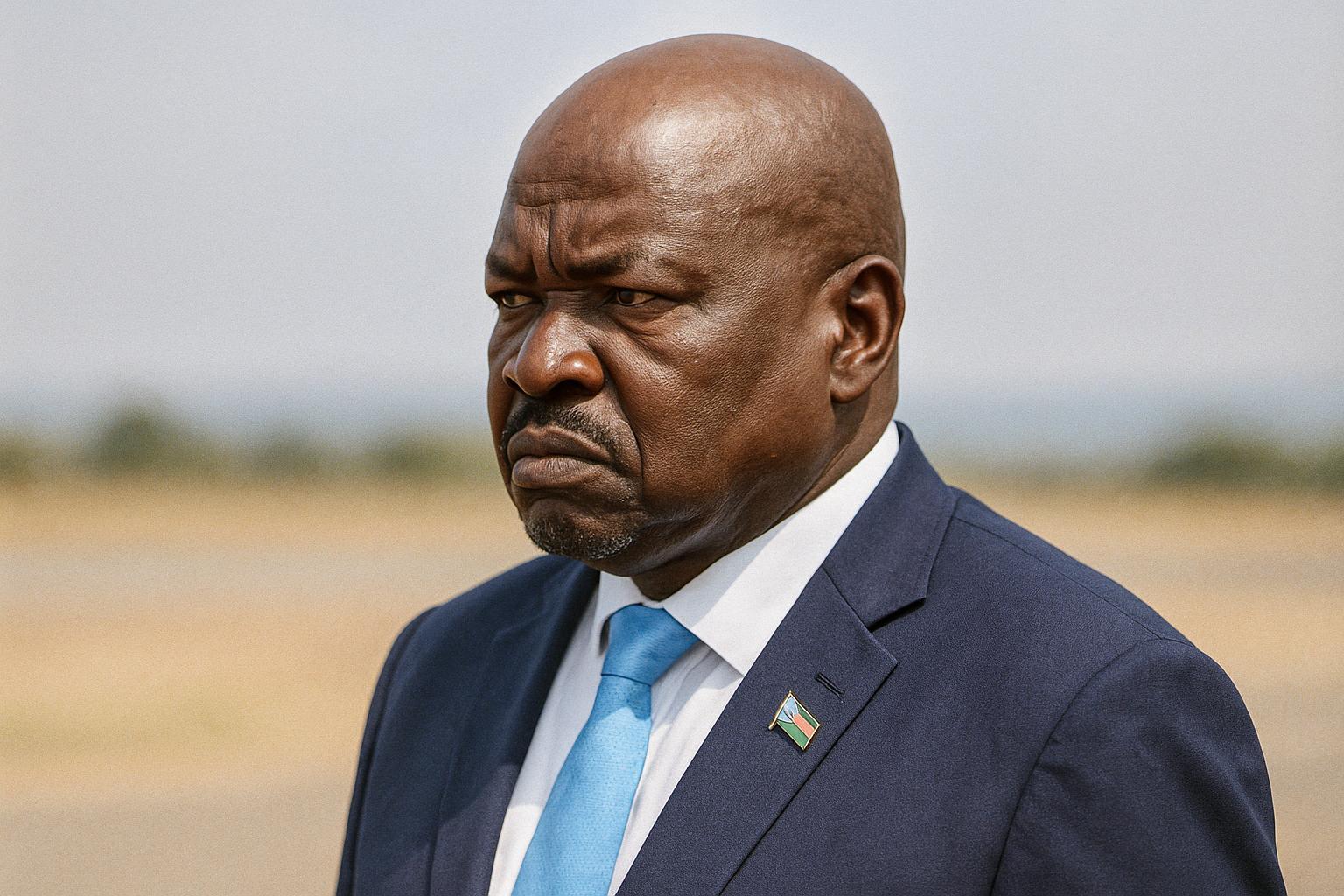
Early life and Red Army years
Born in late 1978 in Makuac Athian, Aweil East, Benjamin Bol Mel joined thousands of children heading to Ethiopian camps after the SPLM/SPLA revolt in 1983.
Labelled the Red Army by Dr. John Garang, the youngsters received basic schooling amid conflict, a formative experience that still colors Bol’s narrative.
Education across Uganda and Kenya
Fleeing Ethiopia’s upheaval in 1991, Bol reached Uganda under the care of businesswoman Lanyero Christine Awany, completing primary and secondary certificates across Gulu, Moroto and Mbale by 2000.
He soon entered United States International University–Africa in Nairobi on church sponsorship, graduating in 2005 with a degree in International Business Administration.
Controversial campus exploits
Former classmates recall Bol’s stint in the Work Study Program, where newly gained IT skills allegedly helped him and rogue accountants siphon funds from student accounts, a charge he has never formally answered.
The windfall funded an ostentatious lifestyle in Nairobi’s Roysambu suburb and widened his circle among SPLM families then exiled in Kenya.
Business ties with SPLM elites
After the 2005 Comprehensive Peace Agreement, Bol moved to Rumbek, claiming the movement owed him US$135,000 for leasing two trucks during wartime logistics.
A brief UNDP stint ended when he followed Finance Minister Arthur Akuein to Juba as Special Private Secretary, placing him near the young government’s financial spigot, according to civil-society observers.
Swift ascent within South Sudan’s leadership
Presidential appointments soon multiplied: Political Bureau member, National Liberation Council, Special Envoy for Special Programs, and by February this year, Vice President, replacing veteran Dr. James Wani Igga.
Supporters cite technocratic flair and loyalty; critics see a conduit for President Salva Kiir’s economic interests. Rumors of succession swirl, yet Bol publicly pledges fealty to the party line.
Future outlook for Bol Mel
Analysts agree that Bol’s trajectory encapsulates both the opportunities and vulnerabilities of South Sudan’s transitional politics, where personal networks, wartime legacies and business savvy continue to shape governance in Africa’s newest state.