

A Sudden Loss in Aweil
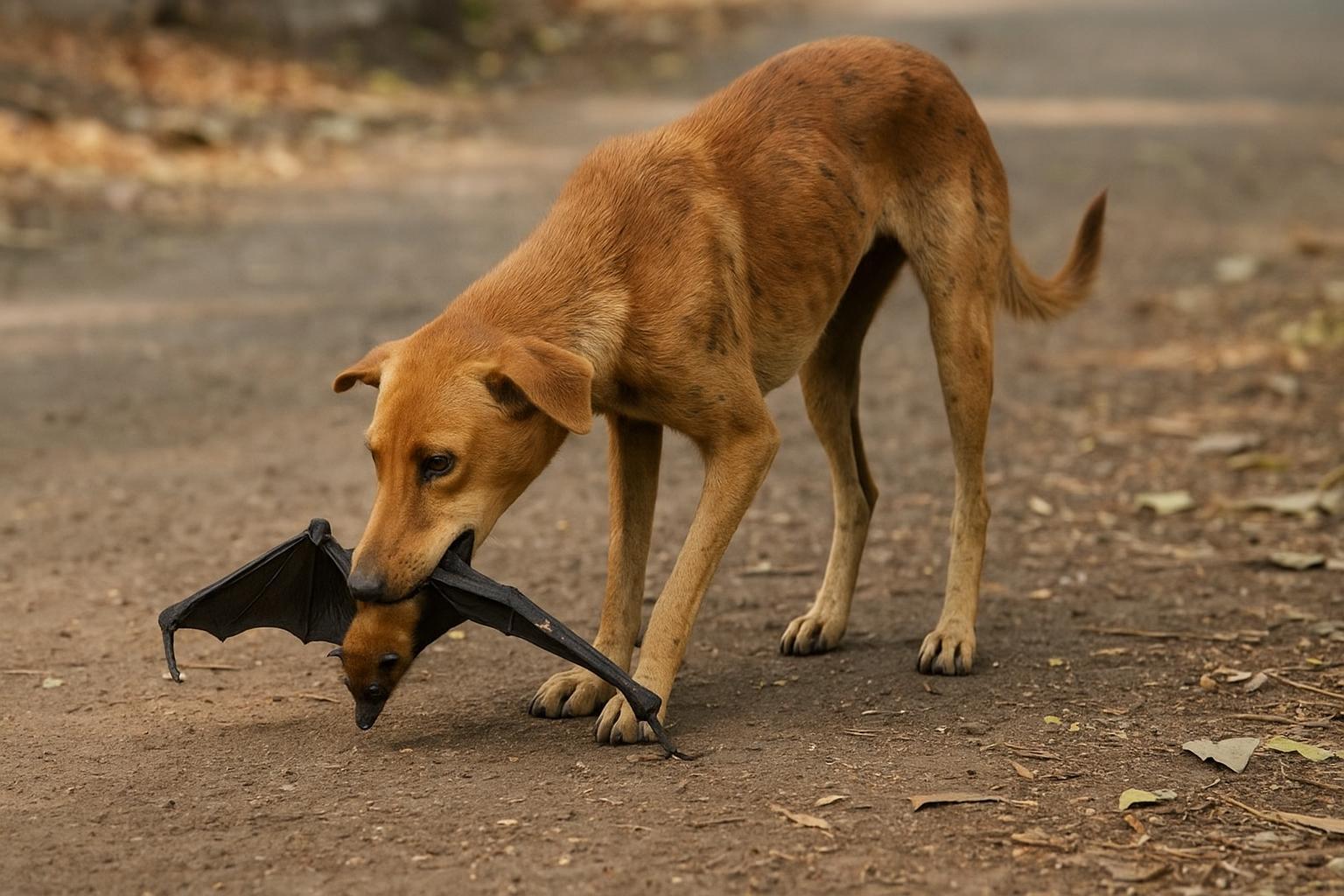
The quiet town of Aweil is reeling after 70-year-old farmer Mayen Ayuel died from suspected rabies at Aweil Civil Hospital on Thursday. His three-week struggle began with a seemingly ordinary dog bite, but progressed to severe salivation and respiratory distress that doctors could no longer reverse (hospital records).
Why Rabies Remains Deadly
Health educator Luka Lual Aleu notes that rabies kills almost 100 percent of patients once symptoms emerge, making early vaccination the only reliable protection. In Ayuel’s case, clinicians first suspected another illness, losing precious hours before neurological signs clarified the diagnosis, a common pattern in under-resourced facilities (Aleu).
Cost Barriers Threaten Lives
One post-exposure vaccine dose costs roughly 100,000 South Sudanese Pounds, while the full series can approach 700,000. For households earning irregular incomes, that price represents several months of food. Community leaders argue the expense discourages victims from seeking care until symptoms surface, by which time survival is unlikely (community interviews).
Appeal for Coordinated Prevention
Aleu urges dog owners to vaccinate pets and lawmakers to subsidise anti-rabies drugs, describing the disease as a public-health emergency, not a routine injury. He says, ‘People dismiss our advice until it is too late.’ Supporters propose public awareness campaigns and mobile vaccination drives to stem future fatalities (Aleu).
Regional Lessons for Africa
Experts point to successful mass-dog-vaccination programmes in Tanzania and Ethiopia that cut human rabies deaths by over half. Replicating such models in Northern Bahr el Ghazal could save lives and protect fragile rural economies that depend on livestock. Diplomatic donors are already assessing potential partnerships, hospital sources indicate (regional studies).