

Historic maps guide 2026 ballot
South Sudan’s National Elections Commission confirmed it will recycle the 2010 geographic map for the December 2026 general vote, citing incomplete census data and an unfinished constitution-making exercise.
The decision fixes 102 constituencies across ten states and three administrative areas, easing doubts about timelines while respecting legal provisions amended in 2023.
Legal Anchors and Peace Deal Context
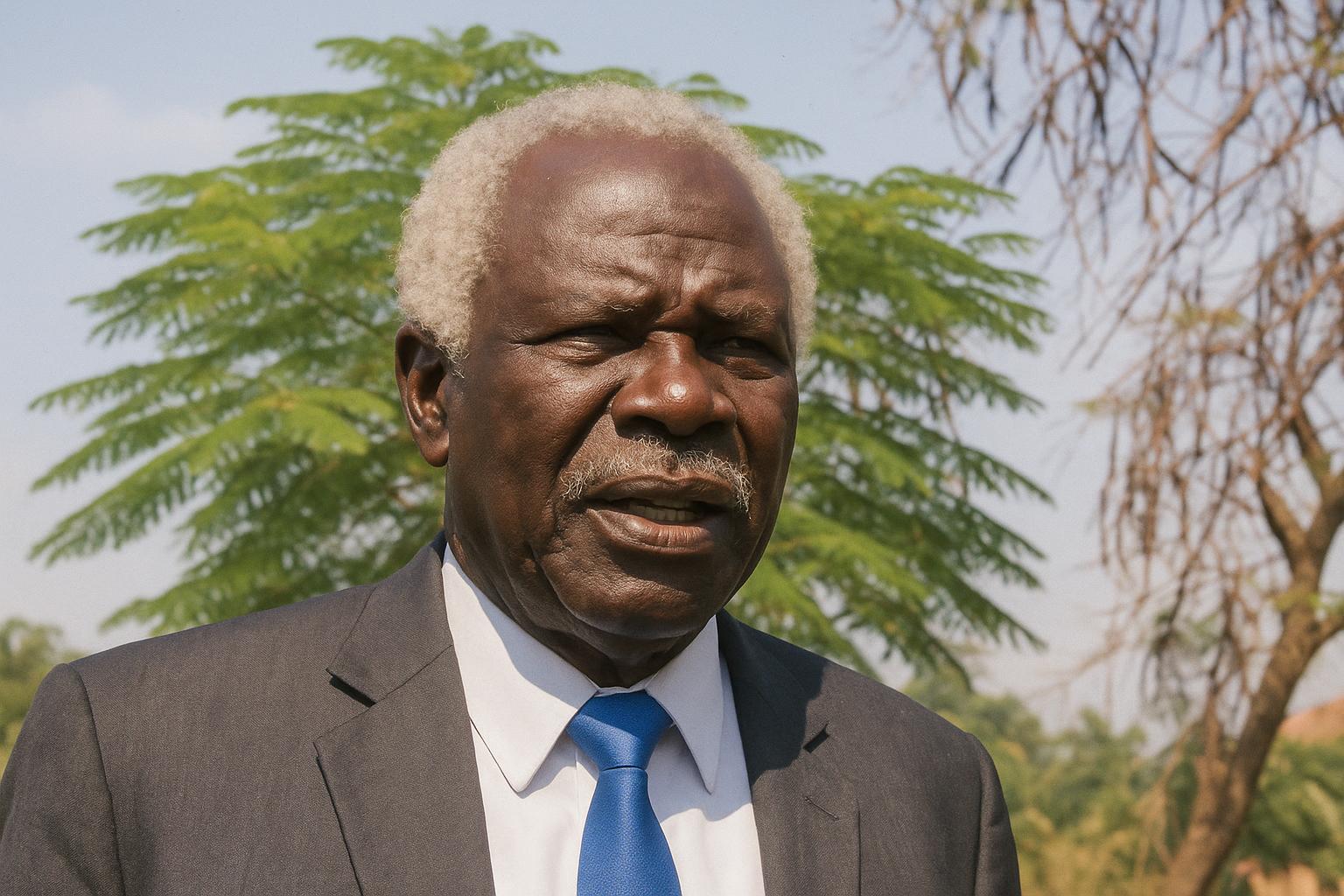
Chairperson Professor Abednego Akok Kacuol reminded reporters that Section 41 of the National Elections Act obliges the commission to revert to 2010 boundaries whenever a fresh census is delayed.
Signatories to the Revitalized Agreement on the Resolution of the Conflict in South Sudan endorsed the measure on ten December, decoupling the polls from demographic and constitutional milestones meant to steer long-term governance reforms.
Regional Breakdown Under Scrutiny
Central Equatoria tops the list with 14 constituencies, while Jonglei, including Greater Pibor, commands 17; Western Bahr el Ghazal holds the smallest share with four.
Analysts say the spread broadly mirrors population clusters recorded before independence, yet displacement from the civil war may challenge voter outreach and resource allocation.
Voices From Juba
“Stability now outweighs perfection,” observed political scientist Lona James in Juba, praising the NEC for providing what she called a “workable compass” for parties preparing primaries.
Civil society advocate Deng Bol welcomed the clarity but urged transparent publication of constituency maps to avoid misinterpretation at grassroots level.
What Comes Next for Voters
The commission plans to release official descriptions in print and digital formats within weeks, inviting feedback before voter registration accelerates in 2025.
Observers view the 2026 ballot as a pivotal test of the peace deal, though many caution that funding, security and civic education must align swiftly to maintain momentum.