

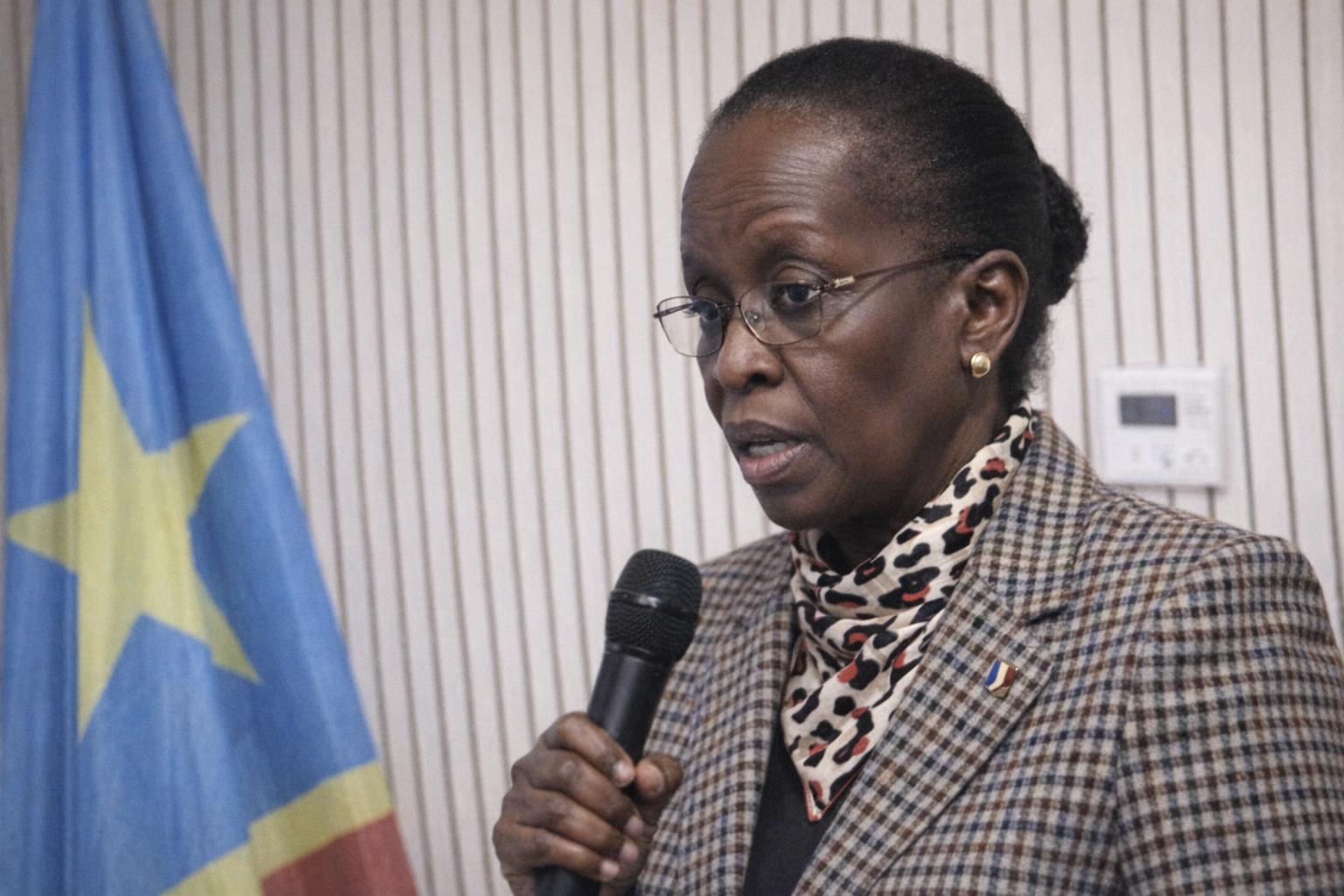
Juba Policy Dialogue on Official Statistics
Speaking in Juba at the launch of a high-level Policy Dialogue on Official Statistics, Vice President Rebecca Nyandeng De Mabior delivered a pointed message on governance: South Sudan should stop “governing by assumption” and plan with evidence (Eye Radio).
The dialogue, organised by the National Bureau of Statistics (NBS), convened senior government leaders, technocrats, development partners and civil society to discuss how data and technology can better support national development (Eye Radio).
Weak Statistical Systems, Strong Policy Intent
Nyandeng argued that South Sudan’s statistical systems remain weak, limiting the state’s ability to translate policy ambitions into measurable outcomes. She said the country has “excellent policy documents,” but warned they can end up “gathering dust on shelves” without implementation anchored in reliable data (Eye Radio).
As chair of the Gender and Youth Cluster, Nyandeng framed the issue as one of follow-through. “We said we wanted to govern our country with evidence and not assumptions. But intention must be followed by action,” she said (Eye Radio).
Governance by Numbers: A Call for National Ownership
A central concern raised by the Vice President was what she described as heavy reliance on external organisations for basic information about the population and the economy. “Too often, we rely on information and statistics collected from outside the government to plan our own future,” she noted (Eye Radio).
She added that the national statistical system is still fragmented, with information “scattered” and institutional capacity “limited,” calling for honesty about current constraints as a starting point for reforms (Eye Radio).
River Nile Metaphor Highlights Measurement Gap
To illustrate the value of measurement, Nyandeng compared the country’s planning needs to the River Nile’s seasonal changes. She suggested that shifting water levels are understandable, but effective governance requires the ability to measure trends and anticipate change through numbers (Eye Radio).
She also recalled that South Sudan made statistics a constitutional matter, describing the policy dialogue as a notable step toward practical planning. “This is the first time I see you sitting down to plan seriously. This is very important,” she said (Eye Radio).
Centralised Digital Database and Sector Coordination
According to the discussions highlighted at the event, the current policy dialogue aims to address long-standing weaknesses by working toward a centralised, digital and reliable database. Participants linked this objective to accountability and sustainable growth (Eye Radio).
The meeting closed with a call for government sectors to collaborate closely with the NBS so that the next phase of development is guided by facts rather than guesswork, reinforcing the event’s emphasis on data-driven decision-making (Eye Radio).