

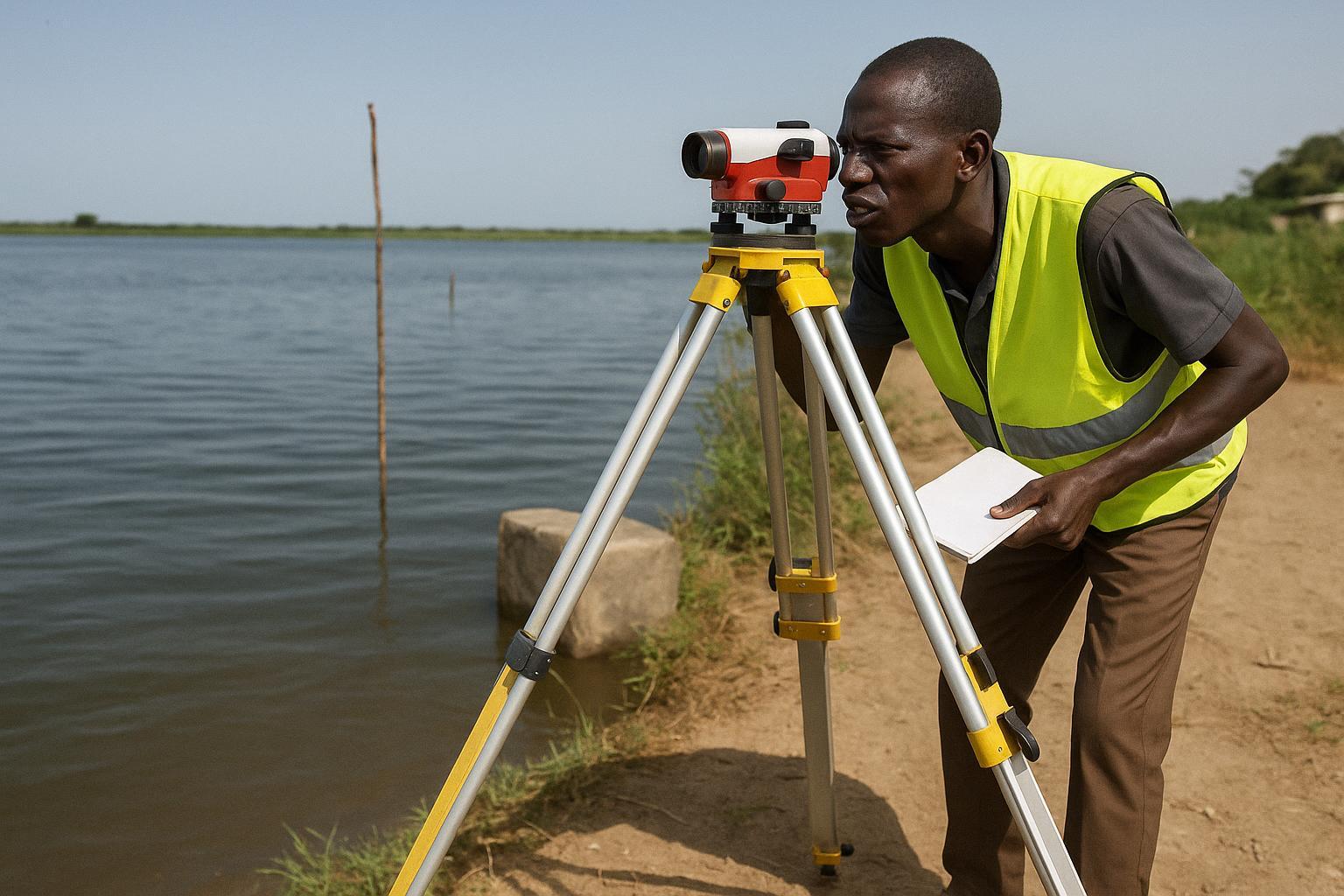
Upper Nile Flood Monitoring Upgrade
The Ministry of Water Resources and Irrigation reports that its hydrological stations in Malakal and Anakdiar have been overhauled, unlocking sharper readings of river levels and rainfall across Upper Nile State and strengthening early warning capacity during the wet season.
New Gauges and Restored Sensors
Engineers installed fresh staff gauges, refurbished rain gauges, and cleared debris that had blocked accurate measurements. Damaged equipment was replaced, giving technicians a more complete picture of the White Nile’s behaviour as storm patterns shift across the Sudd wetlands.
Data for Climate Resilience
Reliable, real-time data supports water management, infrastructure planning, and disaster preparedness. “Each centimetre we track can protect a household downstream,” an official said, noting that improved analytics feed directly into national climate adaptation strategies and donor-funded humanitarian response plans.
Communities Expect Faster Warnings
With the stations back online, flood alerts are expected to reach vulnerable districts sooner, reducing the risk of surprise inundations that previously displaced thousands. Local leaders believe the upgrade will safeguard crops, livestock, and river transport as rainfall peaks.
From Local Stations to Regional Network
The Malakal and Anakdiar sites complement gauges in Nimule, Mangalla, Aswa, and Juba, forming a chain that tracks rising water from the Ugandan border to the Sobat confluence. Recent readings show levels declining yet still hovering near alert marks in several towns.