

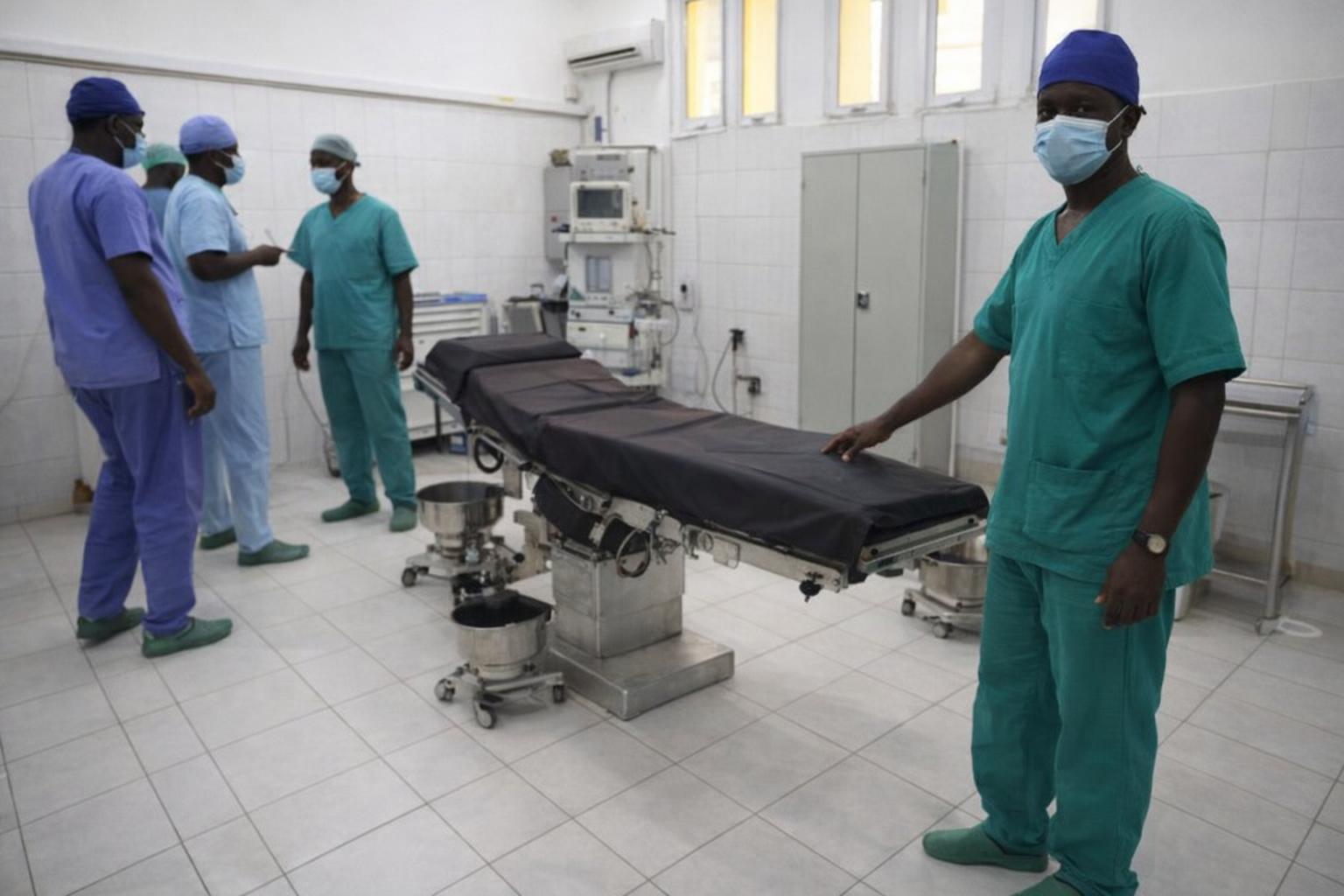
MSF and Ministry of Health strengthen Malakal surgery
Médecins Sans Frontières (MSF) says it has strengthened life-saving surgical services at Malakal Teaching Hospital in Upper Nile State, in collaboration with South Sudan’s Ministry of Health (MSF). The organisation links the move to rising needs in Malakal and nearby communities.
Operating theatre renovations and post-operative ward capacity
MSF reports it renovated the operating theatre and the surgical ward, and has started hands-on support aimed at delivering essential procedures (MSF). The package includes specialised staff, a fully functional operating room, and a 30-bed post-operative ward for surgical patients (MSF).
Malakal hospital’s referral role across Upper Nile State
Malakal Teaching Hospital is described by MSF as the main referral hospital for the whole of Upper Nile State (MSF). MSF adds that it is the only secondary facility providing specialised care across a vast area from the Ethiopian border to Malakal, spanning more than 300 kilometres (MSF).
Service pressures linked to insecurity and supply constraints
In recent months, MSF says the hospital has faced increasing pressure, particularly after a surge in insecurity in the area (MSF). The organisation cites limited availability of specialised staff and constraints in medical supplies as factors that have complicated consistent delivery of specialised services (MSF).
Emergency Cesarean sections and trauma care for all ages
MSF says it began working more closely with the Ministry of Health to reinforce capacity for essential, life-saving care, including emergency Cesarean sections and trauma cases for all ages (MSF). The upgraded surgical services are also presented as an added asset for managing trauma and mass casualty incidents (MSF).
MSF head of mission comments on needs in Upper Nile
“The lack of specialized medical services in Malakal and Upper Nile State, especially surgical care, has long placed a heavy strain on vulnerable communities,” said Zakaria Mwatia, MSF Head of Mission in South Sudan (MSF). He added that pressure increased with insecurity and the arrival of returnees and refugees from Sudan (MSF).
Pediatric, chronic care and medical ward support in Malakal
MSF says its work at Malakal Teaching Hospital already includes a comprehensive paediatric care programme (MSF). The organisation also reports renovating the hospital’s medical wards into a 30-bed facility for critically ill patients with chronic diseases (MSF).
MSF teams run a chronic care unit that, according to the organisation, treats thousands of patients with hypertension, diabetes, HIV, tuberculosis and other conditions (MSF).
Mass casualty response and 2025 service delivery figures
MSF reports it has worked closely with the Ministry of Health to respond to mass casualty incidents, and says it supported the hospital during 2025 in responding to several such events (MSF). Mwatia also called for more investment from government and health organisations in primary and specialised care, including surgery, especially along the Sobat corridor (MSF).
MSF says it has been present in what is today South Sudan since 1983 and currently operates in six states and two administrative areas (MSF). In Malakal during 2025, MSF reports 57,203 outpatient consultations, over 2,586 inpatient cases, 11,068 malaria and 232 TB cases treated, and 3,012 individual mental health consultations (MSF).
MSF adds that, in the same location, it screened 77,429 children for malnutrition, admitted 413 severe cases to hospital, and delivered 2,348 outpatient consultations for children under five (MSF).
What the upgrade could mean for communities
Taken together, the renovations and staffing support are framed by MSF as a practical attempt to stabilise specialist care at a key referral facility (MSF). For communities in Malakal and surrounding areas, MSF suggests the strengthened surgical capacity could shorten delays for emergency interventions.