

Disputed Extended Presidency Meeting
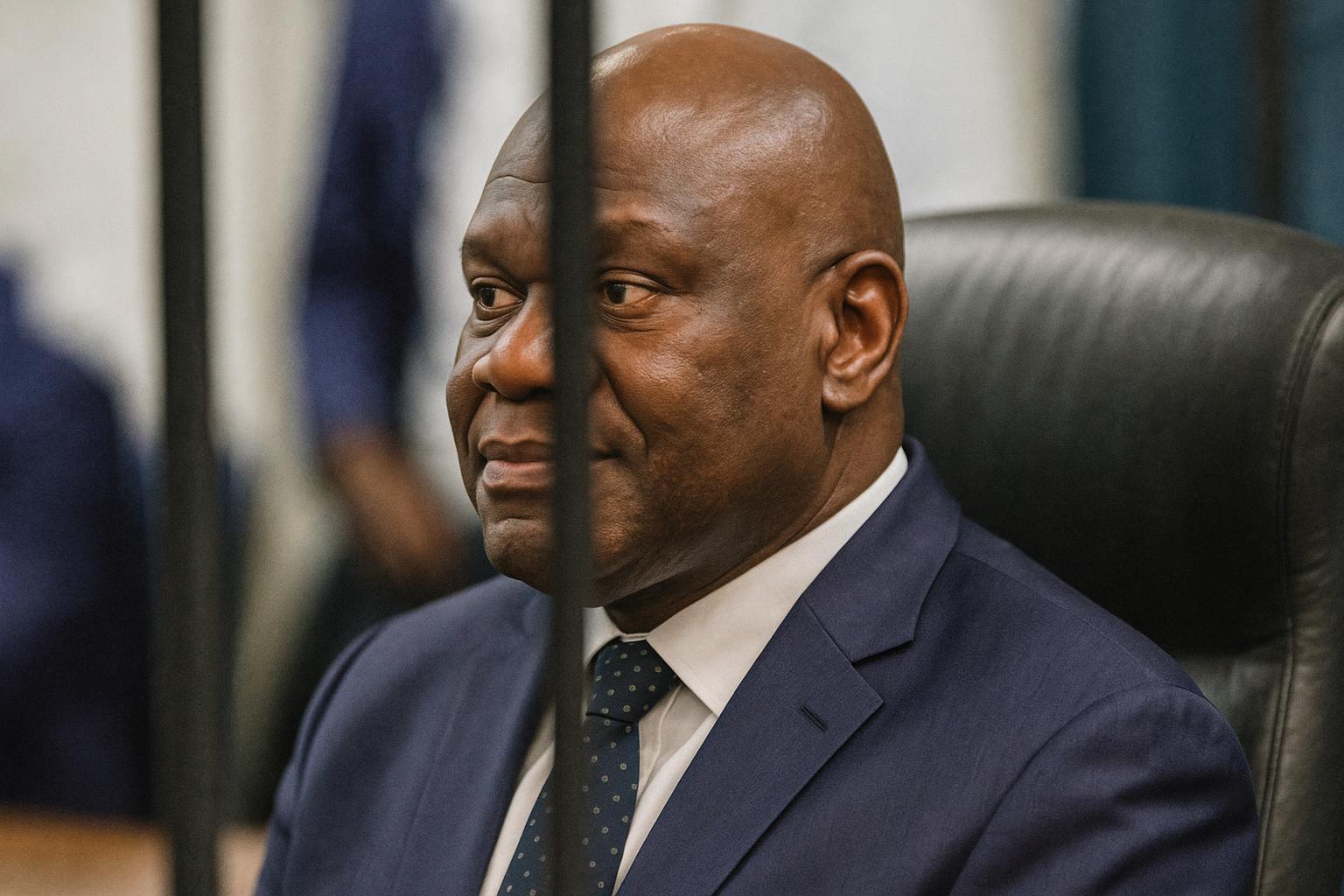
On 10 December 2025, President Salva Kiir convened an extended Presidency session with coalition leaders to decide the fate of South Sudan’s long-delayed transition.
The gathering endorsed a roadmap allowing elections by 22 December 2026, even if some reforms remain unfinished, a move officials described as “the only realistic path to a popular mandate” (Africano Mande Gedima).
Machar Allies Cite Exclusion
Hours later, the SPLM-IO faction led by interim chairman Oyet Nathaniel released a communiqué rejecting every resolution.
They argued that neither suspended First Vice-President Dr Riek Machar, currently in confinement, nor any of his representatives was invited, stripping the meeting of the inclusivity promised in the 2018 Revitalised Agreement.
Committee Composition Under Fire
According to the statement, the High-Level Standing Committee was recomposed “to purge SPLM-IO voices” soon after Machar’s arrest, leaving no channel for the group inside the transition architecture (SPLM-IO statement).
Party officials warn that unilateral amendments risk dismantling the delicate power-sharing deal and could reignite tensions instead of steering the country toward the ballot box.
Government Defends Election Timeline
Minister Africano Mande replies that dialogue channels remain open, and unresolved clauses can be “parked” until after voters choose their leaders, ensuring momentum is not lost.
Supporters of the Presidency’s plan highlight budget constraints, donor fatigue, and public impatience as factors demanding expediency, while still pledging to uphold the spirit of the peace framework.
Implications for 2026 Elections
Legal experts note that any amendment requires signatory consent, raising questions about how the timeline will be enforced if SPLM-IO maintains its boycott.
Civil society groups urge compromise, warning that another delay or an exclusive vote could shatter fragile gains made since the guns fell silent in 2018.
Regional Eyes on Juba
Neighbouring capitals and the African Union continue to monitor developments, mindful that instability in the world’s youngest nation often reverberates across borders and trade corridors.
For now, the political chessboard remains set: Kiir’s coalition accelerates toward a 2026 vote, while Machar’s loyalists hold the crucial piece of legitimacy they say cannot be surrendered.