

Dry-Season Migration in Lakes State
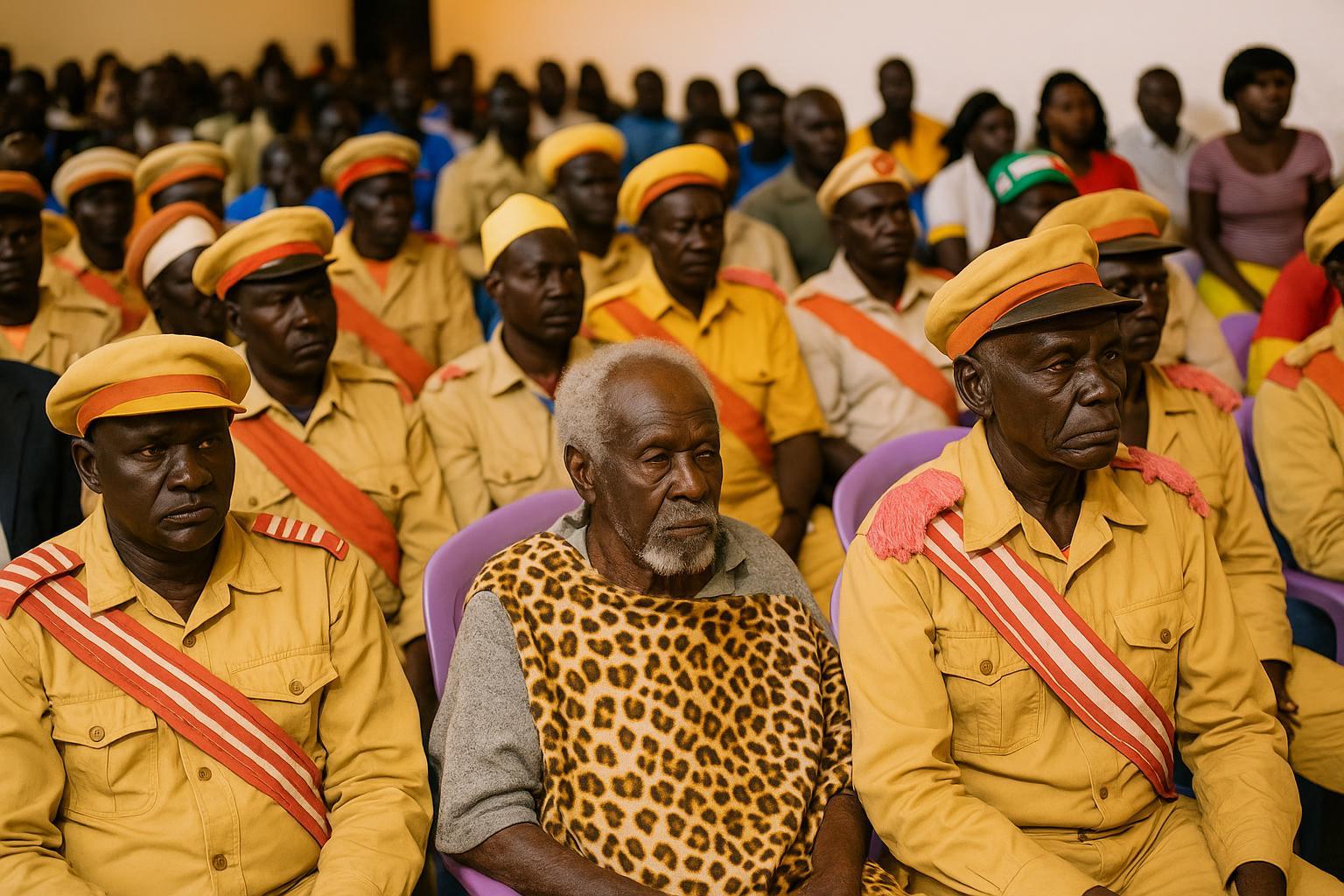
More than 200 chiefs, youth leaders and officials met in Rumbek to chart safe dry-season cattle routes across the Upper and Lower Toch wetlands.
The two-day forum, backed by Peace Canal and Toch, closed with a consensus to prioritise coexistence during the looming migration.
Community-Led Peace Framework
State Minister of Local Government Mabor Meen Wol said participants fixed clear rules on grazing, water access and dispute settlement, allowing communities to ‘move together, stay together’ under one harmonised code.
Officials explained that Gelweng youth and traditional chiefs will monitor compliance daily, while the state government acts as an overarching arbiter.
Role of Youth and Chiefs in Enforcement
Any breach, from stray grazing to inter-clan skirmishes, will be ‘brought to book’, Wol warned, underscoring renewed trust in statutory authority after years of cyclical violence.
Youth leader Machol Madol pledged the Panyon section would wait for an official green light before moving herds, calling unilateral departure ‘a recipe for old problems’.
Addressing Root Causes of Rural Conflict
Debates also tackled cattle raids, alcohol abuse, gender-based violence and farmland encroachment, issues organisers identified as silent accelerants of unrest.
Deputy peace-building manager Salva Akot said six years of similar dialogues have already lowered revenge attacks and improved ties between herders and cultivators.
Outlook for Upcoming Livestock Movement
Elders such as Sultan Der Makuer urged clans to shelve internal quarrels and present a united front against external cattle-raiding threats from bordering areas.
With waterways receding and pasture thinning, the newly mapped corridors could determine whether Lakes State enjoys a calmer dry season or slides back into costly rural feuds.