

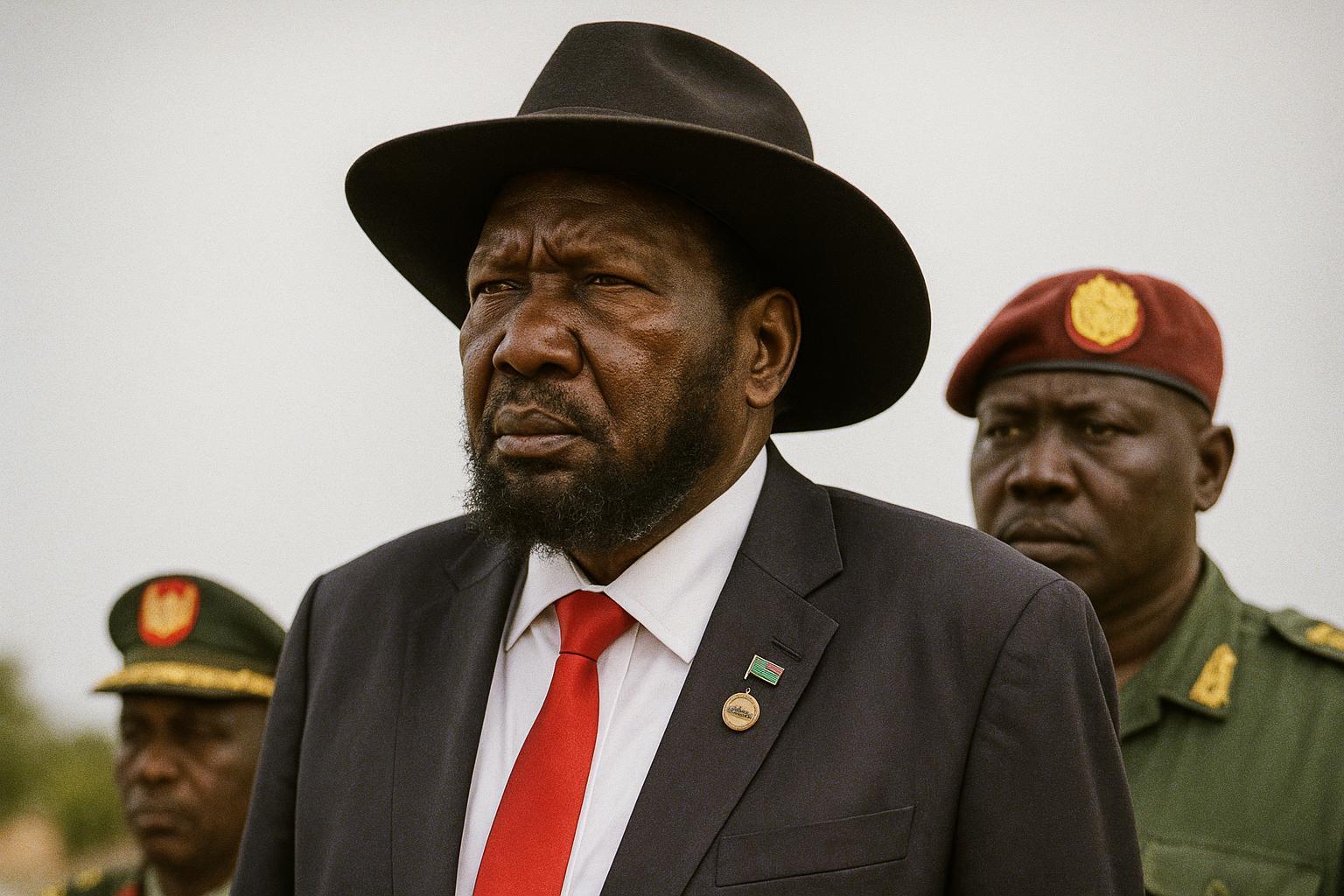
Presidential decrees reshape South Sudan government
A Friday evening broadcast on state television announced a sweeping reshuffle ordered by President Salva Kiir, touching national ministries, two strategic states and several independent commissions. Observers say such mid-term adjustments are customary tools for recalibrating policy delivery.
Agriculture and Rural Portfolios Reassigned
At the national level, Dr John Ogoto Kanisio leaves Agriculture and Food Security, succeeded by Dr Michael Roberto Kenyi, while Anthony Majak Akuoch Malek replaces Professor Mathiew Gordon Udo at Cooperatives and Rural Development. Professor Udo quickly returned as Technical Advisor, underscoring the president’s preference for continuity with repositioning.
Warrap State Sees New Faces
In Warrap State, John Mayik Bath Geng becomes Advisor on Peace and Security, and Sarah Savarino Philip Bazia takes the Cabinet Affairs docket. Fresh leadership also enters local government and peacebuilding, while three county commissioners are rotated, a move officials describe as boosting grassroots responsiveness to security concerns.
Unity State Cabinet Overhauled
Unity State’s cabinet overhaul installs George Manython Liu at Roads and Bridges, Baya Ruai at Cooperatives, Jal Puok Nhial at Health, and Monica Nyakenya Yohannes Keak Ruai at Information. New chairs for Relief and Rehabilitation and the Human Rights Commission accompany fresh commissioners for justice and anti-corruption bodies.
Legislative Changes and Local Governance
Parliament in Unity State now counts Mary Yuar Lual as Deputy Speaker, backed by four newly appointed legislators. Meanwhile, commissioners for Mayom, Leer and Mayendit counties have been switched. Civil servants interviewed in Bentiu argue the reconfiguration could accelerate infrastructure and humanitarian programmes before the next planting season.
Reading the Political Signals
No official explanation accompanied the decrees. Political analyst James Okuk notes that periodic reshuffles ‘keep elites alert and reward performance,’ while critics see them as patronage management. For most citizens, the litmus test will remain whether new appointees translate policy goals into tangible gains in food security and stability.